
Causes and dtc P2205
From what I see most often in the shop, P2205 usually comes down to a few main culprits. Here’s what I typically find when I’m tracking down this code:
- Broken or damaged wiring to the NOx sensor heater circuit-wires can get brittle, corroded, or even chewed by rodents.
- Loose, corroded, or disconnected electrical connectors at the sensor or along the harness.
- A failed NOx sensor itself-the heater element inside can burn out over time.
- Blown fuse or relay for the NOx sensor heater circuit.
- Less commonly, a fault in the engine control module (ECM) that supplies power to the heater circuit.
In my experience, wiring and connector issues are the most common, but it’s important not to overlook the sensor or fuse.
Symptoms and obd code P2205
If you’ve got a P2205 code, here’s what you might notice as a driver:
- The check engine light will almost always come on.
- You probably won’t feel any immediate difference in how the car drives, but in some cases, you might notice rougher running or reduced power if the emissions system starts to compensate.
- Some vehicles may go into a limited performance or limp mode if the emissions system can’t function properly.
- Over time, you could see a drop in fuel economy or even fail an emissions test.
Most folks only notice the warning light, but it’s not something to ignore.

Diagnosis and P2205 engine code
When I get a vehicle with a P2205, here’s my go-to diagnosis routine:
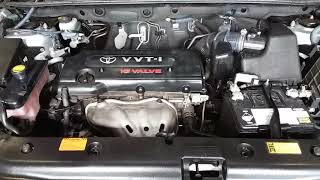
- Start with a good old-fashioned visual inspection. Pop the hood, track down the upstream NOx sensor, and really look at the wiring and connectors. I can’t count how many times I’ve found a wire chewed by mice or connectors caked in grime. A strong flashlight and a small mirror can make a world of difference for spotting trouble in tight spaces.
- Next, check the fuse and relay for the sensor’s heater circuit. If that fuse is toast, that’s a clear sign something’s up. But don’t just throw a new one in-figure out why it blew in the first place, or you’ll be chasing your tail.
- After that, I break out the multimeter to check for voltage at the H+ pin with the ignition on. No voltage? You’ve got a wiring issue or a problem further upstream-time to trace the circuit back until you find the break.
- If the power’s there and the wiring looks good, I’ll measure the resistance across the heater element in the sensor. Most manufacturers list a specific range in ohms. If you’re reading open circuit (infinite resistance), the heater’s done for and you’ll need a new sensor.
- If all else fails and everything checks out, then-rarely-it could be an ECM issue. But honestly, 99% of the time, it’s something simpler.
Once you’ve fixed what’s wrong, don’t forget to clear the code and give the car a proper road test to make sure the fix sticks.
Common Mistakes and P2205 code
Here are a few classic mistakes I see folks make when tackling a P2205:
- Jumping straight to replacing the NOx sensor without even glancing at the wiring or fuses. That’ll burn a hole in your wallet and might not fix a thing.
- Missing corrosion or loose pins in the connectors-these sneaky issues can make the code come and go, driving you crazy.
- Forgetting to check for blown fuses or relays-these are quick wins that are easy to overlook.
- Blaming the ECM before you’ve ruled out the basics. ECM failures are pretty rare compared to a busted wire or bad sensor.
Take my advice: Start with the simple stuff, be systematic, and you’ll save yourself a ton of headaches.

Seriousness and P2205 trouble code
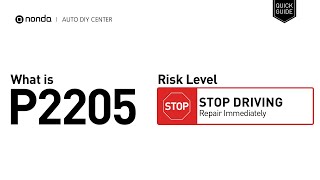
Ignoring a P2205 isn’t a smart move. Even if your car seems to run fine, a dead NOx sensor heater means your emissions system isn’t doing its job. That can lead to higher emissions, possible drivability issues, and in some cases, damage to your catalytic converter or other pricey emission parts. You might skate by for a while, but eventually you’ll run into a failed emissions test or a bigger repair bill. Don’t let a quick fix turn into a major headache-deal with it sooner rather than later.
Repair steps for P2205
When it comes time to fix a P2205, here’s what’s worked for me-and what the factory repair manuals usually recommend:
- Patch up or replace any damaged wiring or sketchy connectors in the NOx sensor heater circuit.
- Swap any blown fuses or bad relays tied to the heater circuit.
- If your testing shows the sensor’s heater element is open or way out of spec, replace the upstream NOx sensor with an OEM (or high-quality) part.
- Once you’ve made the fix, clear the code and take the car out for a test drive to make sure it doesn’t pop back up.
Pro tip: Use weatherproof connectors and stick with OEM sensors whenever you can. Cheap parts and shortcuts just come back to bite you later on.


Conclusion
Bottom line, a P2205 code means there’s a problem with the heater circuit for your upstream NOx sensor-usually wiring, a connector, or the sensor itself. Don’t put it off, because ignoring it can snowball into bigger, costlier problems. Always start with the basics-wiring, connectors, fuses-before you shell out for a new sensor. From my years in the garage, I can tell you a patient, step-by-step approach is the surest way to nail down the real culprit and keep your ride running clean and smooth.

 6189
6189 6 minutes of reading