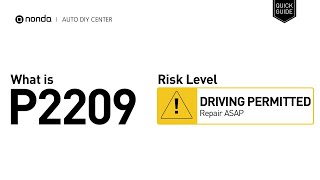
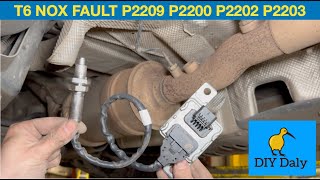
P2209 is a code I’ve seen plenty of times over the years-it's all about the NOx (Nitrogen Oxide) sensor heater circuit on Bank 1, Sensor 1 in your car. This sensor is part of your emissions system, and its job is to track how much nitrogen oxide is passing through your exhaust. Thing is, that sensor has a small heater inside, and it needs to get up to temperature to do its job right. Your car’s computer is keeping tabs on the electrical resistance of that heater. If the resistance goes out of whack-either too high or too low-you’ll get this code popping up. In my experience, it’s a pretty tight window, so even a small issue can trigger it. If this heater isn’t working as it should, your sensor can’t send accurate info back to the computer, and that can throw off your entire emissions system.
DTC P2209
 5288
5288 5 minutes of reading
Causes and dtc P2209
From what I’ve seen in the shop and what the official manuals say, the most common reasons for a P2209 code are:
- Faulty NOx sensor heater element (it’s worn out or burned out)
- Wiring issues-like damaged, corroded, or loose connections in the sensor’s harness
- Connector problems-sometimes the plug gets dirty or the pins get bent
- Blown fuse or relay related to the sensor heater circuit
- Issues with the engine control module (ECM), though that’s pretty rare
In cases like this, it’s usually the sensor itself or the wiring right at the sensor that’s to blame.
Symptoms and P2209 trouble code
When this code crops up, the first thing you’ll probably spot is the check engine light glaring at you. Most of the time, you won’t feel much of a change in how your car drives. Every now and then, some folks notice the engine isn’t running as smoothly or maybe you’re stopping at the pump more often because your fuel economy has slipped. If your emissions system isn’t up to par, you might also fail your next smog check. But honestly, that warning light is usually your main heads-up.

Diagnosis steps for P2209
Here’s how I tackle a P2209 code step by step:
- First, I always start by checking for any other codes that might be related. Sometimes there’s more than one clue.
- Next, I visually inspect the NOx sensor and its wiring harness. Look for any obvious damage-cracked insulation, frayed wires, or loose connectors. Don’t forget to check for corrosion or dirt in the connector; that’s a surefire way to end up in trouble.
- If everything looks good, I use a multimeter to check the resistance of the sensor heater circuit. Compare the reading to the specs in the service manual. If it’s out of range, the sensor is likely bad.
- I also check the fuse and relay for the sensor heater circuit. A blown fuse is a quick fix, but you want to find out why it blew in the first place.
- If all the basics check out, I’ll use a scan tool to monitor the sensor’s operation and see if the heater is actually working when commanded on.
It’s best to start with the simple stuff-wiring and connectors-before jumping to replacing parts. Sometimes just cleaning and reseating a connector solves the problem.

Common mistakes with obd2 code P2209
A classic mistake I run into is when folks swap out the NOx sensor right off the bat without even glancing at the wiring or connectors. Another common slip-up? Skipping over the fuse and relay-that’s a quick check that gets missed all the time. I’ve also seen techs ignore the manufacturer's resistance specs and just guess. Trust me, guessing is a fast track to wasted time and money. Stick to the process, test each component, and don’t assume the priciest part is always the root of the problem.

Seriousness of obd code P2209
While P2209 isn’t likely to leave you stranded at the side of the road, it’s not something to shrug off. Letting a faulty NOx sensor heater slide can mean your emissions system isn’t doing its job, which spells more pollution and possible engine performance headaches down the road. If you ignore it, you’re also rolling the dice on expensive damage to parts like your catalytic converter-or, on rare occasions, even the ECM. And if you’ve got a smog test coming up, you’ll probably flunk it. Bottom line: don’t let this linger. Get it sorted and keep your car-and your conscience-clean.
Repair options for P2209 engine code
Here’s what’s worked best for me and other techs in the field when fixing a P2209:
- Replace the NOx sensor (Bank 1, Sensor 1) if you find the heater resistance is off the mark
- Repair or swap out any damaged wiring or connectors in the sensor circuit
- Clean and reseat the sensor connector if you spot any corrosion or dirt
- Swap a blown fuse or faulty relay in the heater circuit
- On rare occasions, there’s an issue with the ECM, but that’s a last-ditch situation
Here’s a pro-tip from the garage: always tackle the wiring and connectors first. Nine times out of ten, that’s where the gremlins are hiding.
Conclusion
So, P2209 means your NOx sensor heater isn’t doing its job, and that can throw your emissions system out of whack. Don’t put this off-if you do, you’re risking bigger headaches down the line and possible damage to some pricey parts. The smartest move is to start simple: check those wires, connectors, and fuses before you shell out for a new sensor. Get on it quick, and you’ll save yourself time, money, and hassle. From years in the bay, I can tell you: following a solid diagnostic routine is the surest way to knock out this code and keep your ride running right.