
Causes and dtc P220A issues
From what I’ve seen in the shop and based on the official repair info, the most common reasons for a p220a code are:
- Faulty NOx sensor (upstream, Bank 1, Sensor 1)
- Damaged or corroded wiring or connectors in the sensor’s supply voltage circuit
- Issues with the sensor’s power supply-like a blown fuse or a bad relay
- Problems with the engine control module (ECM) itself, though that’s less common
- Water intrusion or contamination in the sensor connector
Most often the issue is with the sensor or its wiring, but I’ve seen cases where a simple blown fuse was the culprit.
Symptoms and obd2 code P220A indicators
When this code pops up, you’ll probably notice one or more of these issues:
- The check engine light will come on and stay on
- You might notice reduced engine performance or the engine going into a ‘limp’ mode
- Sometimes there’s a rough idle or hesitation when accelerating
- In some cases, you’ll smell stronger exhaust fumes, since the emissions system isn’t working right
From experience, sometimes the only sign is that warning light, but it’s not something to ignore.

Diagnosis steps for P220A engine code
Here’s how I usually tackle a p220a code, step by step:
- First, I always start by checking for any other codes that might be present. Sometimes, another code can point you in the right direction.
- Next, I visually inspect the NOx sensor and its wiring harness. Look for any obvious damage, corrosion, or loose connections. It’s best to have someone wiggle the wires while you watch the live data-sometimes a bad connection only shows up when things move.
- Then, I check the sensor’s supply voltage with a multimeter. You want to see if the voltage is within the range specified by the manufacturer. If it’s way off, that’s a big clue.
- Don’t forget to check the fuse and relay that supply power to the sensor. A blown fuse is a quick fix, but you want to find out why it blew in the first place.
- If the wiring and power supply check out, I’ll test the sensor itself. Sometimes swapping it with another known-good sensor (if possible) can help confirm if it’s bad.
- Finally, if everything else checks out, I’ll look at the ECM as a last resort-but honestly, that’s pretty rare.
It’s better to work methodically, starting with the simple stuff before jumping to conclusions.
Common Mistakes When Addressing P220A
I’ve seen a few common slip-ups when folks try to fix this code:
- Replacing the NOx sensor right away without checking the wiring or power supply first
- Overlooking a blown fuse or bad relay-these are easy to miss but can save you a lot of money
- Not checking for water or corrosion in the connectors, which can cause intermittent problems
- Ignoring related codes that could point to the real issue
It’s easy to get tunnel vision and skip the basics, but that’s a surefire way to waste time and money.

Seriousness of a P220A code
Take it from me, this isn’t a code you want to brush off. If you let a p220a code slide, you’re gambling with pricey parts-your catalytic converter or even the ECM could end up on the chopping block. On top of that, failing an emissions test is almost guaranteed, and you might notice you’re filling up the tank more often or your engine just isn’t running like it should. Letting this go is a recipe for bigger, nastier repairs down the road. I’ve seen engines start running far too rich or lean because that sensor’s not working right, and things go downhill fast.
Repair solutions for P220A trouble code
Here’s what I personally recommend for fixing a p220a code, based on what’s worked in the field and what the OEM procedures say:
- Repair or replace any damaged wiring or connectors in the NOx sensor supply circuit
- Replace the upstream NOx sensor (Bank 1, Sensor 1) if it’s confirmed faulty
- Replace any blown fuses or faulty relays that supply power to the sensor
- Clean and dry any connectors that show signs of water or corrosion
- In rare cases, repair or replace the ECM if it’s not providing the correct voltage
It’s best to start with the wiring and power supply before jumping to sensor replacement.


Conclusion
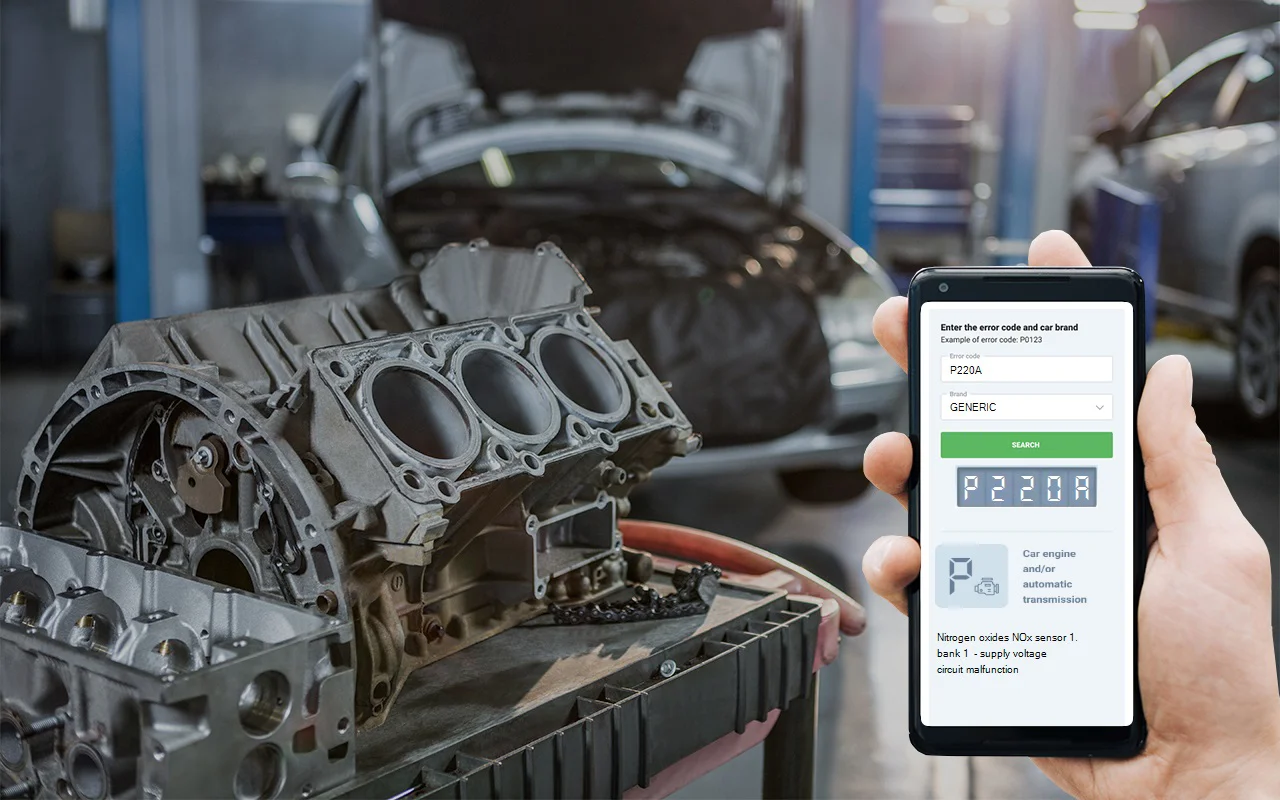
Here’s the bottom line: P220A means your upstream NOx sensor on Bank 1 isn’t getting the voltage it needs, and your emissions-and engine-are at risk. Don’t sit on this one. If you ignore it, you’re setting yourself up for expensive repairs and lousy performance. The smartest approach is to tackle the basics first: check your wiring, fuses, and power supply, and only then move on to the sensor itself. Quick, careful action is your best bet for keeping your ride reliable and out of the shop.
 4442
4442 5 minutes of reading