
Causes of dtc P2211
From my time under the hood and what I’ve seen in the manufacturer’s manuals, most of the time this code comes down to a handful of culprits:
- A short to battery in the wiring for the NOx sensor heater sense pin (HTemp)
- Wiring or connectors at the NOx sensor that are either damaged or corroded
- A NOx sensor that’s simply failed-the heater circuit inside can give up after years of abuse
- Every now and then, the ECM (engine control module) itself is the issue, but that’s honestly pretty rare
What I usually find in the garage is that either the wiring’s gone bad or the sensor’s finally reached the end of its life after dealing with all that engine heat and road grime.
Symptoms of P2211
If you’re staring at a P2211 code, here’s what you’ll probably notice:
- The check engine light is almost always lit up-hard to miss
- Warning messages about your emissions system might pop up
- Sometimes the car will kick itself into limp mode or reduced power, just to protect itself
- Most folks won’t feel any drivability issues at first, but if you let it go, you can end up with rough running or lousy gas mileage
From what I’ve seen, it’s tempting to ignore at the start, but things can go downhill fast if you don’t tackle it early.

Diagnosis of P2211 trouble code
Here’s how I usually go after this code, step by step:
- First, I always clear the code and see if it pops back up immediately. Sometimes it’s just a fluke, but if it returns, time to get serious.
- Next up, a visual inspection of the wiring and all connectors at the upstream NOx sensor. I’m looking for any signs of melted insulation, corrosion, or anything out of the ordinary. Pro-tip: it helps to have a second set of hands-have someone wiggle the harness while you watch for changes.
- Then, I’ll check for a short to battery on the heater sense wire (HTemp). With the ignition off, disconnect the sensor and grab your multimeter-if you’re reading battery voltage at the heater sense pin, there’s your short.
- If the wiring checks out, I move on to testing the sensor itself. Using the specs from the service manual, I measure the resistance of the heater circuit. If it’s way off the mark, the sensor’s likely toast.
- And don’t skip checking for any Technical Service Bulletins (TSBs) related to this code-a lot of headaches can be avoided if there’s a known fix or updated part.
Start with the basics before you go replacing pricey sensors-trust me, your wallet will thank you.
Common Mistakes with obd2 code P2211
A classic mistake I see is folks rushing to replace the NOx sensor without even looking at the wiring first. That’s a quick way to waste a good chunk of cash. Another one? Not disconnecting the battery before poking around in the wiring-ask me how many times that’s led to blown fuses or, worse, a fried ECM. And don’t forget to check those TSBs. Sometimes there’s an updated part or an easy fix that the factory’s already figured out.

Seriousness of obd code P2211
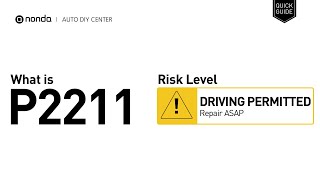
Don’t brush this one off. The NOx sensor is critical for your emissions system, and if the heater circuit’s not working, your car can’t keep emissions in check. Over time, you’re risking damage to your catalytic converter-and trust me, those aren’t cheap. Plus, you could end up stranded or failing your next emissions test. The longer you ignore it, the bigger the headache (and the bill) gets.
Repair steps for P2211 engine code
Here’s my go-to plan for getting this sorted:
- Repair or swap out any damaged wiring or connectors at the NOx sensor
- If the wiring looks good, replace the upstream NOx sensor-always go with OEM, don’t cheap out
- Clear the code and take the car for a proper test drive to make sure it stays gone
- If the code comes back, check the ECM and related fuses, but that’s a rare one in my book
Stick to the official repair procedures, and double-check everything before you wrap it up. It’s always better to be thorough the first time.


Conclusion
Bottom line? P2211 means your car’s computer has picked up a high voltage problem in the NOx sensor heater sense circuit-usually from a short to battery or a heater that’s given up. This isn’t something to ignore; if you do, you’re rolling the dice on much bigger repairs down the road. My advice: start by checking all the wiring and connectors, then move on to the sensor itself if everything else checks out. Nine times out of ten, fixing the wiring or swapping the sensor does the trick. Don’t sit on this one-get it checked and sorted before it turns into a real headache.

 4330
4330 5 minutes of reading