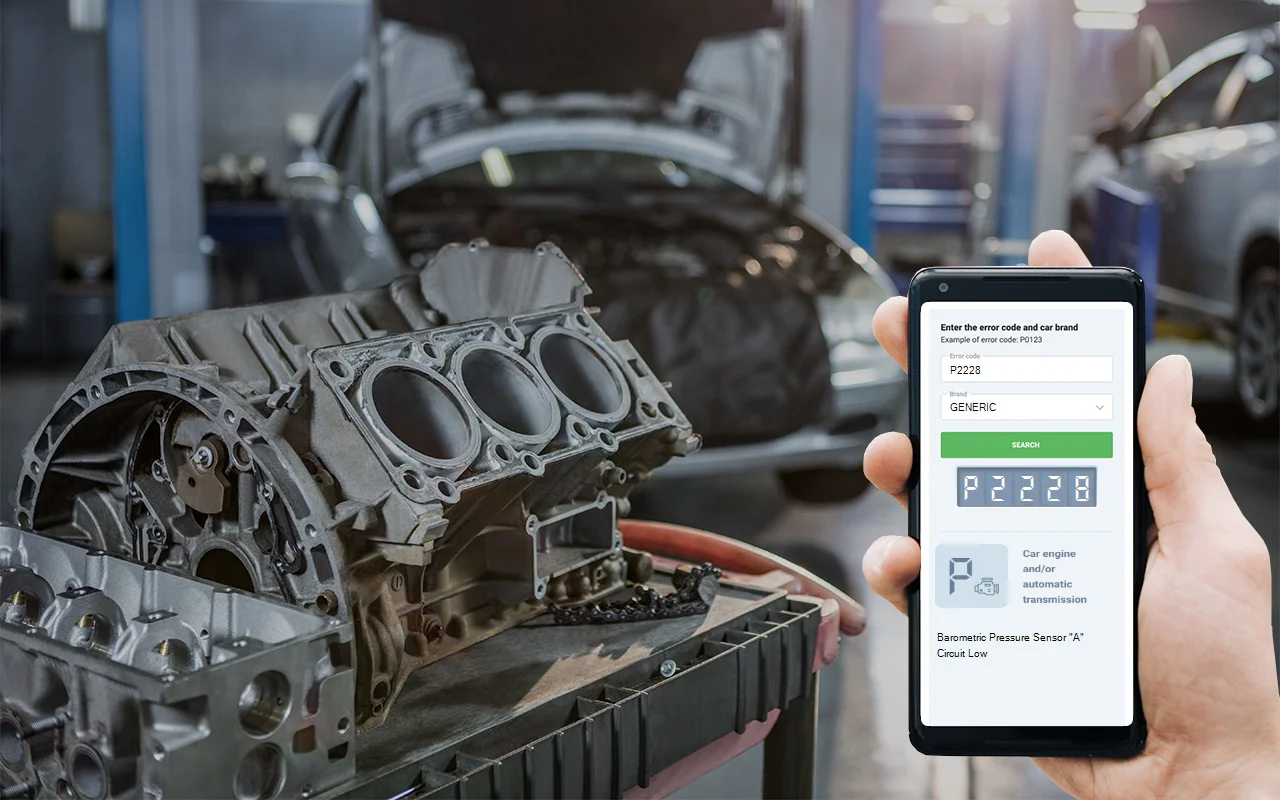
When you see a P2228 code pop up, your vehicle’s computer-also known as the PCM-is telling you it’s not happy with the signal coming from the Barometric Pressure (BARO) sensor circuit. More specifically, it's reading a signal that’s too low. Now, the BARO sensor is what your engine relies on to measure outside air pressure, which is vital for dialing in the right fuel and timing settings, especially as you drive through different altitudes or weather conditions. Here’s the catch: on most of today’s vehicles, that sensor isn’t a separate part you can just pull out and replace. It’s actually built right into the PCM. So, if the computer thinks the BARO sensor’s reading is off, you’ll notice the engine starts acting up because it’s not getting the info it needs to keep everything running in balance. From my time under the hood, I can tell you-this isn’t something you want to ignore.
DTC P2228
 5437
5437 5 minutes of reading
Causes of P2228 engine code
In my experience and according to what I’ve seen in service manuals, the usual suspects behind a p2228 code are:
- The BARO sensor has failed or is damaged. Since this sensor is part of the PCM, that usually means the computer itself has developed an internal fault.
- There’s an internal issue in the PCM that’s messing with the BARO circuit.
Honestly, I rarely see wiring or connector problems to blame here. Because the sensor lives inside the PCM, those kinds of issues are pretty much off the table. Nine times out of ten, you’re dealing with a problem inside the PCM itself.
Symptoms of dtc P2228
If your scanner shows a dtc p2228 chevrolet code, here’s what you might run into: The check engine light almost always comes on. You might notice the engine running rough, hesitation when you get on the throttle, or even hard starts. Sometimes, you’ll see your gas mileage drop, or the car just won’t respond right when you’re driving in the mountains or when the weather shifts. What I’ve often found is that you’ll get no symptoms at all-until you hit higher elevations or a big weather change, and then the issues show up in a hurry. This isn’t just a Chevrolet problem, either; I’ve seen it crop up with Ford and Renault vehicles as well.

Diagnosis of P2228
When diagnosing a dtc p2228, here’s the route I always take:
- Start by clearing the code and running a self-test. Sometimes, a glitch sets the code, and if it doesn’t come back, you might’ve dodged a bullet.
- If the code reappears, scan for any other related codes. That’ll help you rule out bigger electrical gremlins.
- Since the BARO sensor is internal to the PCM, you can skip checking for a separate sensor or a bundle of wires. That said, always make sure your PCM is getting good power and has solid ground connections-a weak battery or corroded ground can cause all sorts of strange signals.
- If all of that checks out and the code is still sticking around, follow the OEM repair procedures: replace the PCM and program it to the car. There’s just no way to swap out the BARO sensor by itself when it’s inside the PCM.
PCM replacement and programming is a job best left to a pro, but before you go that route, double-check your battery and ground connections. Sometimes the simplest things are the culprits.
Common Mistakes with obd code P2228
A classic mistake I see is folks spending hours chasing down wiring issues or swapping out unrelated sensors, thinking they’ve found a quick fix. Truth is, since the BARO sensor is part of the PCM, changing out other parts won’t solve a p2228 code. Another oversight? Not checking the battery and grounds right out of the gate. Sometimes a tired battery or a corroded ground can throw the PCM for a loop, and it’ll look like a sensor issue when it’s really not. Always start with the basics before you jump to bigger repairs.

Seriousness of P2228 trouble code
This code isn’t something you can just shrug off. The BARO sensor is key to your engine’s ability to manage fuel and ignition timing. When it’s not working right, you could be looking at rough running, higher emissions, and over time, even engine damage. In some rare cases, I’ve seen cars stall out or refuse to start altogether-definitely not what you want in traffic or nasty weather. Letting it slide can end up damaging your catalytic converter or other emission gear. Bottom line? It can go from minor to major real fast if you ignore it.
Repair options for P2228 code
From what the official guides say and what I’ve seen firsthand, your best bet is to replace the PCM with a new, properly programmed unit. There’s no separate BARO sensor to swap. After you’ve got the new PCM in, clear the codes and run a self-test to make sure everything’s sorted. But before you take the plunge, always check the battery and ground connections. Sometimes it’s the simple stuff causing the headache.
Conclusion
In a nutshell, p2228 means your vehicle’s computer isn’t getting the right signal from the barometric pressure sensor that’s built into the PCM. This is a high-priority problem-it can cause real drivability headaches and may even lead to engine damage if you let it go. The fix? Replace and program the PCM, but only after making sure your battery and grounds are solid. Don’t drag your feet on this one-handling it quickly is the best way to keep your ride running strong and safe.