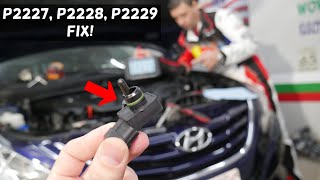
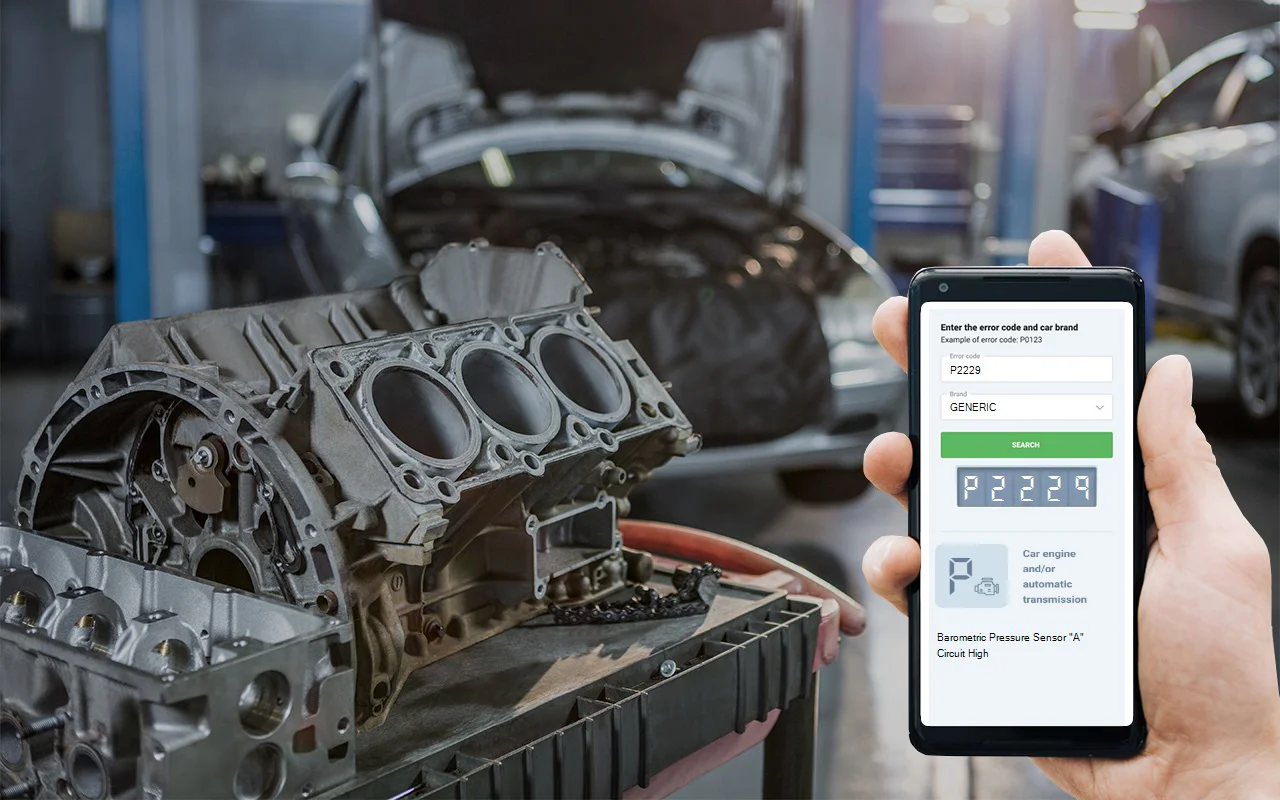
When you see a P2229 code pop up, what you’re really dealing with is your car’s computer flagging a “Barometric Pressure Sensor A High” issue. In simpler terms, the PCM is catching wind of an unusually high voltage coming from the BARO sensor. This little guy is responsible for reading the air pressure outside your engine-a vital piece of the puzzle for dialing in your fuel mixture and ignition timing, especially as you drive through mountains or deal with wild swings in weather. The BARO sensor works closely with your MAP sensor, and if the readings from BARO go haywire, the PCM throws this code to let you know something’s definitely not right. Trust me, this sensor isn’t just along for the ride; it’s key to keeping your engine humming along smoothly and efficiently.
DTC P2229
 4829
4829 6 minutes of reading
Obd code P2229 Causes
From my time under the hood, I can tell you that the causes behind a p2229 code aren’t usually anything exotic. Here’s what tends to trip things up:
- The BARO sensor itself giving up the ghost-they do fail after enough years and miles.
- Electrical connector headaches, like corrosion, bent pins, or plugs that just don’t fit tight anymore.
- Wiring troubles-think about wires with cracked insulation, spots where rodents have snacked, or maybe a hidden short somewhere between the sensor and PCM.
- Loose connections? Oh yeah, that’ll cause all sorts of weird, intermittent high readings.
- Every now and then, the PCM ends up being the culprit, but that’s the exception, not the rule.
If you ask me, start your hunt at the sensor and wiring-nine times out of ten, that’s where the problem is hiding.
P2229 Symptoms
When dtc p2229 shows up, your car’s bound to start dropping some hints. Here are the complaints I hear most from drivers:
- The engine just feels off-sluggish, slow to respond, almost like it’s dragging its feet when you hit the gas.
- Strange noises at idle or under load, sometimes a rough idle you haven’t noticed before.
- Misfires-those little stumbles or shakes, especially on acceleration, that make you wonder if something serious is brewing.
- A whiff of fuel in the air, suggesting your engine isn’t burning it all like it should.
- Mileage taking a nosedive. If you’re making more trips to the pump, this code could be part of your problem.
- Throttle response taking a vacation-the car just doesn’t snap to attention like it used to.
Ignore these signs and you’re rolling the dice. Problems can pile up fast.

Obd2 code P2229 Diagnosis
Let me walk you through how I’d go after a p2229 code. Always start with the basics:
- First thing’s first-scan for any other codes. Sometimes you’ll find a clue in a related sensor code that’s just waiting to be noticed.
- Give the BARO sensor and its wiring a good, close look. I’m talking about obvious stuff: broken plugs, corrosion, loose pins, or wires that look like they’ve seen better days. Don’t be shy-gently wiggle wires and connectors to spot anything loose or brittle.
- Unplug the sensor and check those pins. If you see green or white crust, that’s corrosion. Clean it up carefully, or you’ll just end up chasing the same problem again later.
- Ignition off, grab your multimeter and check voltage and ground at the connector, following your wiring diagram. If you’re not sure what you’re seeing, it’s worth phoning a friend or a pro for a second set of eyes.
- If wiring looks solid, fire up your scan tool and check the BARO sensor’s data. Compare it to the real atmospheric pressure for your area-your phone’s weather app is perfect for this. If the numbers are way out of whack, that’s your smoking gun.
- If all else fails and the basics check out, swap in a known-good BARO sensor and see if the problem vanishes. Only after you’ve done this legwork should you even think about the PCM being at fault-and honestly, that’s rare.
Here’s a pro-tip from the garage: Don’t overlook the simplest causes. More than once, I’ve fixed the problem just by tightening a loose connector.
Dtc P2229 Common Mistakes
Let me save you some grief by pointing out the classic mistakes I see folks make with this one:
- Swapping out the BARO sensor right away without even glancing at the wiring or connectors. That’s an easy way to throw money down the drain.
- Forgetting to check for shorts or breaks in the harness. Always, and I mean always, check the entire run of wire if you want a real fix.
- Missing corrosion or water sneaking into the connector-especially if you live where it’s humid or you’ve had a recent engine bay cleaning gone wrong.
- Jumping to blame the PCM. In all my years, the computer’s been the issue so rarely it barely makes the list-don’t go there unless you’ve ruled out everything else.
Take the time to do a thorough inspection. It’s almost always the simple stuff that bites you.

P2229 Trouble Code Seriousness
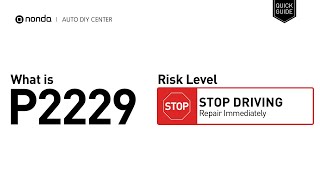
If there’s one thing I’ve learned, it’s not to shrug off a P2229 code. When your BARO sensor’s on the fritz, your engine can’t get the fuel and timing right. That can quickly spiral into misfires, lousy performance, and even damage to pricey parts like your catalytic converter or O2 sensors. I’ve seen cars towed in that wouldn’t run at all because this was left unchecked. For the sake of your safety and your wallet, don’t wait-get it looked at ASAP before you’re stuck on the side of the road.
P2229 Code Repair
When it comes to fixing a p2229, here’s what’s worked for me time and again-and what the factory manuals will tell you too:
- Patch up or replace any bad wires or connectors you find at the BARO sensor. Don’t skimp on this-sloppy connections come back to haunt you.
- Clean up any corrosion at the connector and make sure you’ve got a rock-solid fit.
- If testing says the BARO sensor’s toast, swap it out for a new one.
- On those rare days when nothing else fixes it, you might be looking at a PCM repair or replacement, but only after you’ve chased down every other lead.
After you’ve done the work, clear the code and hit the road for a test drive. If the code stays gone, you’re in the clear.
Conclusion
Here’s the bottom line: P2229 means your car’s computer is seeing a BARO sensor signal that’s way too high, and that messes with your engine’s ability to run right. Don’t brush this off-ignoring it can spell big trouble, both for your car and your wallet. Start with the simple stuff: check your wiring, connectors, and the sensor itself. Most of the time, that’s where you’ll find your fix. Stick to a methodical diagnostic routine, and you’ll be back on the road with a reliable ride, dodging bigger headaches down the line.