
Common Causes of P2231
From experience, the most common reasons I see for a p2231 code are:
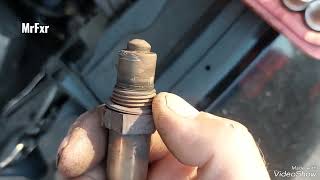
- A faulty oxygen sensor (O2 sensor), especially the one closest to the engine (sensor 1, bank 1).
- Damaged or frayed wiring harness going to the O2 sensor-sometimes wires rub against hot or moving parts and short out.
- Poor or corroded electrical connections at the sensor plug-moisture or dirt can cause all sorts of trouble here.
- Less often, a problem inside the engine control module (ECM), but that’s rare compared to wiring or sensor issues.
Most often the issue is with the sensor itself or the wiring right at the connector. I recommend starting your checks there before moving on to anything more complicated.
Symptoms to Expect with P2231 Engine Code
When this code is active, here’s what you’re likely to notice:
- The check engine light will come on and stay lit.
- You might notice the engine running a bit rough, especially when it’s cold.
- Fuel economy can take a hit, since the engine isn’t getting the right information to adjust the air-fuel mixture.
- Sometimes, there’s a noticeable drop in power or hesitation during acceleration.
But honestly, sometimes the only thing you’ll see is that check engine light-so don’t ignore it just because the car seems to run okay!

Diagnosis Steps for OBD Code P2231
Here’s how I usually tackle a dtc p2231, step by step:
- First, I always start with a visual inspection. Pop the hood and look closely at the wiring going to the O2 sensor (that’s the one right before the catalytic converter, closest to the engine). Look for any obvious damage-burnt wires, melted insulation, or connectors that look loose or corroded.
- Next, I unplug the sensor and check the connector pins. Make sure none are bent, pushed out, or green with corrosion. It’s better to have someone assist you here, just to hold the flashlight or help wiggle the connector.
- If everything looks good, I use a multimeter to check for continuity and shorts between the signal and heater wires. If there’s a short, you’ll find it here. Don’t forget to check both the sensor side and the harness side.
- If the wiring checks out, I’ll test the sensor itself. Sometimes swapping it with another known-good sensor (if possible) can quickly tell you if the sensor’s the culprit.
- Only after all these checks would I consider a problem with the ECM, but that’s extremely rare in my experience.
Make sure to inspect the wiring thoroughly before moving on to replacing parts-you’d be surprised how often a simple wire repair fixes the whole issue.
Common Mistakes When Repairing P2231 Code
I’ve seen a lot of folks jump straight to replacing the oxygen sensor without even looking at the wiring. That’s a surefire way to waste money if the real problem is a broken or shorted wire. Another mistake is not checking the connector for corrosion or loose pins-these little things can cause big headaches. Skipping the basic electrical tests and just clearing the code is risky, too-the problem will come right back, and you’ll be back to square one.

How Serious Is a P2231 Trouble Code?
This isn’t something you want to put off. When the O2 sensor circuit isn’t working right, your engine can run too rich or too lean, which can damage the catalytic converter over time-a very expensive part to replace. Plus, you’ll be putting out more emissions, and the car might not pass inspection. In some cases, the car can run rough or even stall. Honestly, it’s dangerous to ignore this, especially if you start noticing drivability issues. Things can go south quickly if overlooked.
Repair Solutions for OBD2 Code P2231
Here’s what usually fixes a p2231, based on what I see in the shop and what the official repair guides recommend:
- Repair or replace any damaged wiring or connectors going to the O2 sensor.
- If the wiring is good, replace the O2 sensor itself (sensor 1, bank 1).
- Clean any corrosion from the connector and make sure the pins are straight and secure.
- Clear the code and test drive the vehicle to make sure the problem doesn’t come back.
It’s best to start with the simple stuff-wiring and connectors-before buying a new sensor. That’s the most reliable path to a solid fix.


Conclusion
To sum it up, P2231 means there’s a short between the signal and heater wires for your front oxygen sensor. It’s a moderate to serious issue that can lead to bigger problems if ignored, like catalytic converter damage and poor engine performance. The best approach is to check the wiring and connectors first, then replace the sensor if needed. Don’t put this off-addressing it promptly is the safest and most cost-effective way to keep your car running right.

 4397
4397 5 minutes of reading