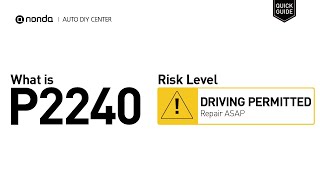
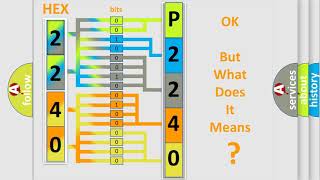
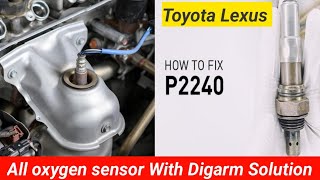
When you see a P2240 code pop up, it’s the engine’s way of telling you there’s a problem with the O2 sensor positive current control circuit on Bank 2 Sensor 1. Now, in shop talk, that means the ECM isn’t getting the proper feedback from the oxygen sensor on the same side as cylinder 2, right before the catalytic converter. This sensor is mission-critical for dialing in the air-fuel mixture. If the circuit is open, shorted, or acting up, the computer can’t make its usual fine-tuned adjustments. What you’ll usually notice? The engine won’t run as smoothly or efficiently as you’re used to. I’ve found this system works closely with other sensors, like coolant temp and throttle position, all working together to keep your engine humming right in its sweet spot.
DTC P2240
 4714
4714 5 minutes of reading
Causes of P2240 code
Over the years in the garage, I’ve seen a handful of culprits crop up for the P2240 code. Here are the big ones:
- The O2 sensor itself goes bad - far and away the most common issue I’ve dealt with.
- Wiring troubles - anything from broken, chewed, or corroded wires, to loose or crusty connectors running to the sensor.
- Exhaust leaks near the sensor - even a hairline crack can skew your readings.
- A failing PCM (the engine’s brain) - this doesn’t happen often, but I’ve seen it just enough to keep it on the radar.
Honestly, in most cases, start your hunt at the sensor or its wiring. That’s where you’ll find the issue more often than not.
Symptoms of dtc P2240
When that P2240 code is staring you in the face, here’s what you’ll usually notice: First, your check engine light will come on - that’s the dead giveaway. Next, you might see your gas mileage start to slip, since the computer’s flying blind on the air-fuel mix. Sometimes, your engine just feels sluggish, or the throttle response isn’t what it used to be. Ignore it for long, and trust me, those symptoms won’t get any better.

Diagnosis with obd code P2240
When I’m tracking down a P2240, here’s my go-to process:
- First off, I scan for other codes. Sometimes, those extra breadcrumbs lead you straight to the source.
- Then, I do a visual once-over on the O2 sensor and its wiring. Keep an eye out for broken insulation, crusty connectors, or any sign of corrosion. Don’t just check at the sensor - follow that harness all the way back. I’ve seen plenty of issues hiding further up the line.
- Next, I check for exhaust leaks around the sensor. Even a tiny leak upstream can give you false readings. Here’s a pro-tip: have a buddy rev the engine while you listen or feel for leaks - it makes spotting them a breeze.
- If everything looks solid so far, I plug in the scan tool and monitor live O2 readings. If that sensor’s flatlined or showing wonky data, you’ve got a strong suspect.
- Finally, I break out the multimeter and check the circuit for continuity and proper voltage. If the wiring’s solid and the sensor’s still not playing ball, you might be looking at a failed sensor, or in rare cases, a bad PCM.
Don’t overlook the basics. I can’t tell you how many times a thorough visual check has saved me hours of frustration.
Common Mistakes with obd2 code P2240
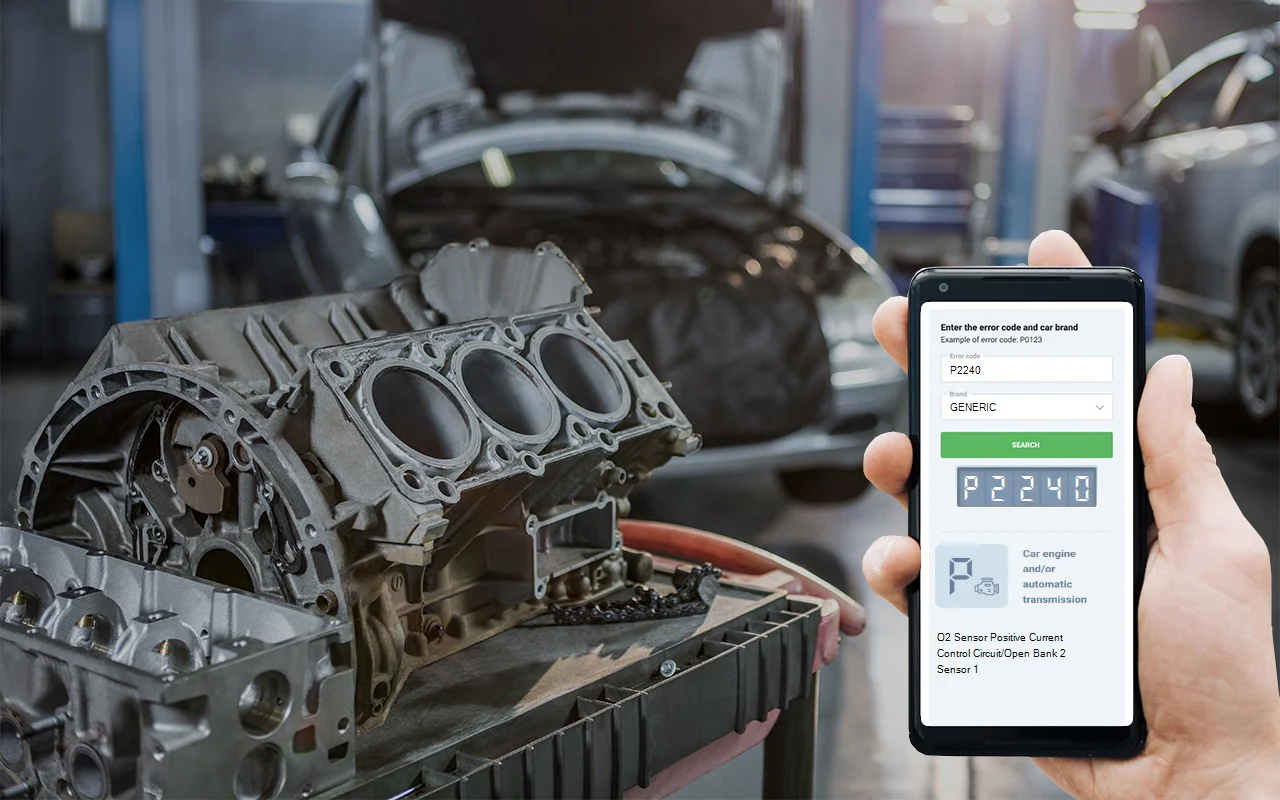
A classic mistake I see all the time? Folks swap out the O2 sensor right out of the gate, without even glancing at the wiring or checking for exhaust leaks. Another one: using a basic scan tool and missing related trouble codes that could point you in the right direction. And don’t forget the connectors - loose pins or a bit of green corrosion can turn a simple fix into a headache. Skipping these steps is a fast track to throwing money at parts without solving the problem.

Seriousness of P2240 trouble code
P2240 isn’t something you want to put off. Letting it slide means you’ll start burning extra fuel, and your engine performance can really suffer. Even worse, running too rich or too lean over time will put your catalytic converter at risk - and replacing that is no small bill. If the engine starts acting up out on the road, it can turn into a safety issue in a hurry. Bottom line: don’t wait around. Get on it before it snowballs into bigger trouble.
Repairing P2240 engine code
Here’s what I usually end up doing to fix a P2240:
- Swap out the bad O2 sensor - that’s the winner most of the time.
- Patch up or replace any damaged wiring or crusty connectors to the sensor.
- Seal up any exhaust leaks in the sensor’s neighborhood - you need an airtight system for accurate readings.
- If everything else checks out and you’re still stuck, on rare occasions, you might have to replace the PCM.
Don’t forget: once you’ve made the fix, clear the code and give the vehicle a solid test drive. No point in guessing - make sure that code stays gone.
Conclusion
If you’re seeing P2240, your engine computer isn’t getting good info from the O2 sensor, and that sets you up for poor performance and higher fuel costs. It’s not a code you want to leave hanging. The smart move is to get your hands dirty with a careful inspection of the sensor, wiring, and exhaust. Nine times out of ten, fixing or swapping the sensor or repairing the wiring sorts it out. Catch it early, sort it right, and you’ll keep your engine running like it should-saving yourself from bigger headaches (and bills) down the line.