
Causes of P2242
From what I’ve seen in the shop and what the official manuals say, the most common causes for a P2242 code are:
- A faulty air/fuel ratio sensor (Toyota/Lexus) or heated oxygen sensor (Ford)
- Damaged, shorted, or open wiring in the sensor’s harness
- Poor electrical connections at the sensor or in the related circuit
- A bad relay for the air/fuel sensor (Toyota/Lexus)
- In rare cases, a problem with the engine control module (ECM/PCM)
Most often, the issue is with the sensor itself or the wiring right at the sensor. I recommend starting your checks there before moving on to the more complicated stuff.
Symptoms of obd2 code P2242
When this code pops up, here's what you’re likely to run into:
- Check engine light on-sometimes it’s called the MIL or the service engine soon light
- Rough idle, hesitation, or lag when you hit the gas-never a good sign
- Your fuel economy takes a hit, since the computer can't juggle the air/fuel mix the way it's supposed to
- Sometimes you’ll catch a weird exhaust smell or just notice the engine’s off its game
Now, I’ve seen cars where the only symptom is that warning light, but trust me, don’t just ignore it. That little light is trying to save you from bigger headaches down the road.

Diagnosis with P2242 trouble code
Whenever I see a P2242, here’s my usual play-by-play:
- First thing: Scan for any other codes. Sometimes you’re dealing with more than just one issue, and those extra codes can point you in the right direction.
- Next, I get hands-on with a visual inspection of the sensor and its harness. Look for melted insulation, corroded pins, or connectors that just don’t seem tight. Don’t skip the basics-bent pins or a loose plug can cause all sorts of chaos.
- If everything looks decent, I’ll break out the multimeter and go hunting for opens or shorts between the ECM and the sensor. This is easier with a helper, especially if you're not super confident with electrical work.
- On Toyotas and Lexuses, I always check the sensor voltage with the ignition switched on and while the engine’s running. You want to see something in the ballpark of 0.6V to 4.5V. If it’s outside that, or if the number won’t budge with engine changes, odds are the sensor’s toast.
- For Fords, I make sure to check both the heater circuit and the sensor signal. Always go by the service manual for the right pinouts and specs.
- When the sensor and wiring come up clean, I’ll move on to the relay for Toyota and Lexus, and if I’m still chasing ghosts, only then do I start thinking about the ECM or PCM.
Here’s my advice: go slow and check every inch of wire. Miss one nicked wire, and you’ll be back under the hood before long.
Common Mistakes with obd code P2242
I've seen this one too many times: someone swaps out the sensor first, only to find the issue was a crusty, corroded connector or a broken wire a few inches up the harness. Skipping those basic checks-or not scanning for other related codes-is a fast way to waste time and money. Another rookie move? Not grabbing the multimeter and checking voltages and continuity. If you just clear the code and hope it won’t come back, you’re setting yourself up for trouble. Take the extra few minutes-you’ll thank yourself.

Seriousness of P2242 engine code
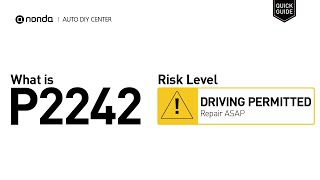
Let’s not sugarcoat it-P2242 is a serious problem if you leave it alone. That sensor is key for keeping your engine efficient and cutting down on emissions. Ignore this, and you’re risking rough running, more pollution, and-worst of all-catalytic converter failure. That’s a wallet-busting repair nobody wants. Run the engine too rich or too lean for too long, and you could even do long-term damage or flunk your next emissions test. Not worth the gamble, if you ask me.
Repair solutions for P2242 code
Here’s what’s worked for me and what the factory guides say about fixing P2242:
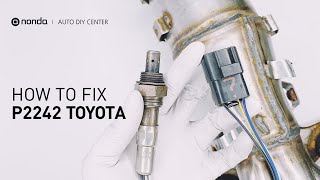
- Swap out the bad air/fuel ratio sensor (Toyota/Lexus) or heated oxygen sensor (Ford)
- Repair or replace any cooked, broken, or shorted wires in the sensor circuit
- Clean or snug up any loose or corroded electrical contacts
- If you’re working on a Toyota or Lexus, and the relay tests bad, toss in a new one
- On the rare chance everything else checks out, the ECM or PCM might need attention
Start with the sensor and its wiring. Nine times out of ten, that's where you’ll find the problem.

Conclusion
Here’s the bottom line: P2242 means your car’s computer isn’t getting the right info from the oxygen or air/fuel sensor on Bank 2, Sensor 1. Don’t take this lightly-it can hurt performance, drive up emissions, and cost you dearly if you wait too long. The smart move? Go over the sensor and wiring with a fine-tooth comb, replace whatever’s bad, and clear the code. Don’t put off repairs-fixing it now keeps your ride running strong and saves you from much bigger headaches later on.
 4904
4904 6 minutes of reading