
Causes and P2244 engine code
From experience, I can tell you that the most common culprits for a P2244 code are pretty consistent across different brands. Most often, it’s one of these:
- A faulty front oxygen sensor (Bank 1, Sensor 1) that just isn’t reading right anymore.
- Wiring issues-like a broken, shorted, or corroded wire in the harness going to that sensor.
- Bad electrical connections at the sensor plug-sometimes the pins get bent, pushed out, or corroded.
In rare cases, it could be a problem with the engine computer itself, but honestly, that’s not where I’d start. It’s almost always the sensor or the wiring, especially if the car’s seen some rough roads or salty winters.
Symptoms and P2244 code
When this code is active, the first thing you’ll likely notice is the check engine light coming on. In most cases, the car will still run, but you might feel it running a bit rough, or you could notice worse fuel economy. Sometimes, you won’t feel any difference at all, but the light is your warning. On some vehicles, you might even get a warning about emissions or a message saying the engine needs service. If the problem gets worse, you could start to notice hesitation, poor throttle response, or even stalling, but that’s not as common right away.

Diagnosis process for obd code P2244
Here’s how I usually go about diagnosing a P2244 code, step by step:
- First, I always start with a visual inspection. Pop the hood and find the front oxygen sensor (Bank 1, Sensor 1). Check the wiring harness for any obvious damage-look for frayed wires, melted insulation, or anything that looks out of place.
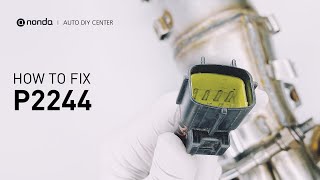
- Next, I check the connector at the sensor. Unplug it and look for bent, broken, or corroded pins. Sometimes a little green corrosion is all it takes to mess up the signal.
- If everything looks good visually, I’ll use a multimeter to check for proper voltage at the connector. You want to make sure the reference voltage is present and that there’s good continuity in the wiring.
- If the wiring and connections check out, I’ll move on to the sensor itself. Sometimes, swapping in a known-good sensor is the quickest way to confirm if the old one is bad.
- It’s always a good idea to clear the code after any repair and see if it comes back. If it does, then you might have a deeper issue, but in most cases, the above steps will find the problem.
It’s better to have someone assist you when checking the wiring, just to make sure you don’t miss anything. And don’t forget to check for any Technical Service Bulletins (TSBs) that might apply to your vehicle-sometimes there are known issues with certain models.
Common mistakes when dealing with dtc P2244
I’ve seen a lot of folks jump straight to replacing the oxygen sensor without checking the wiring or the connector first. That’s a surefire way to waste money if the real problem is a broken wire or a bad connection. Another common mistake is not using a proper scan tool to confirm the code and check live data-sometimes a generic code reader just doesn’t give you the full picture. Also, don’t forget to check for other codes that might point to a bigger issue. Skipping the basics can lead to frustration and unnecessary parts swapping.

Seriousness of the P2244 trouble code
Honestly, this isn’t something you want to ignore. While your car might still run, driving around with a faulty oxygen sensor can cause the engine to run too rich or too lean. That means you could end up with poor fuel economy, higher emissions, or even damage to your catalytic converter if it goes on too long. Things can go south quickly if overlooked-what starts as a simple sensor issue can turn into a much more expensive repair down the road. You don’t want this kind of trouble on the road, especially if your state does emissions testing.
Repair steps for P2244
Here’s what I personally recommend for fixing a P2244 code, based on what I’ve seen work time and again:
- Repair or replace any damaged wiring or connectors you find during your inspection.
- If the wiring and connections are good, replace the front oxygen sensor (Bank 1, Sensor 1) with a quality OEM part.
- Clear the code and test drive the vehicle to make sure the problem is gone.
- If the code comes back, double-check for any hidden wiring issues or check if there’s a TSB that applies to your vehicle.
It’s best to start with something simple-don’t just throw parts at it. Take your time and make sure each step is done right.


Conclusion
To sum it up, P2244 means your engine computer isn’t getting the right voltage signal from the front oxygen sensor, and that can throw off your fuel mixture. It’s a moderate to high priority issue-don’t put this off for later, because it can lead to bigger problems like a damaged catalytic converter or failed emissions tests. The most reliable way to fix it is to carefully inspect the wiring and connector, and if those check out, replace the sensor itself. Act promptly and you’ll save yourself a lot of hassle and expense down the line.

 5162
5162 6 minutes of reading