
Causes of P2247
From what I’ve seen in the shop and what the official manuals say, the most common reasons for a p2247 code are:
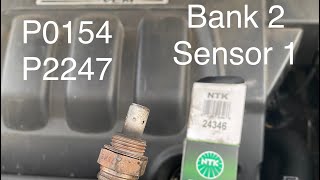
- Damaged or corroded wiring or connectors going to the Bank 2, Sensor 1 oxygen sensor.
- A faulty oxygen sensor itself-sometimes they just wear out or fail internally.
- Problems with the engine control module (ECM), though that’s pretty rare.
- Open circuit in the reference voltage wire-often caused by rodents, heat damage, or accidental pinching during other repairs.
Most often, it’s a wiring or connector issue, but I always check the sensor too, just to be sure.
Symptoms Associated With P2247 Engine Code
When this code is active, you’ll probably notice the check engine light is on. Sometimes the car might run rough, idle strangely, or use more fuel than usual. In some cases, you might even smell more exhaust or notice the engine hesitating. But honestly, sometimes the only sign is that warning light staring you in the face.

Diagnosis Using OBD Code P2247
Here’s how I approach this one, step by step:
- First, I always start with a visual inspection. Pop the hood and look for any obvious damage to the wiring or connectors at the Bank 2, Sensor 1 oxygen sensor. Don’t forget to check for corrosion, loose pins, or broken wires.
- If everything looks good, I use a multimeter to check for continuity in the reference voltage wire from the ECM to the sensor. If there’s an open circuit, you’ll need to trace the wire and find where the break is.
- Next, I unplug the sensor and check the sensor itself. Sometimes it’s easier to swap it with the sensor from Bank 1, Sensor 1 (if they’re the same part) and see if the code follows the sensor. That’s a quick way to rule out a bad sensor.
- If the wiring and sensor both check out, I’ll look at the ECM connections, but honestly, it’s rare for the computer to be the culprit unless there’s been water damage or a major electrical issue.
- It’s better to have someone help you watch the scan tool data while you wiggle the harness-sometimes the problem only shows up when things move.
Common Mistakes When Dealing With P2247 Trouble Code
One thing I see a lot is folks replacing the oxygen sensor right away without checking the wiring. That’s a surefire way to waste money if the real problem is a broken wire or corroded connector. Another mistake is skipping the continuity check on the reference voltage circuit-don’t just assume the wire is fine because it looks okay. And don’t forget to check both ends of the connector; sometimes the issue is at the ECM side, not just at the sensor.

Seriousness of OBD2 Code P2247
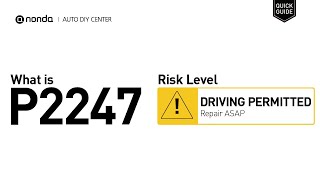
This isn’t something you want to ignore. If you keep driving with this code active, your engine can run too rich or too lean, which can damage the catalytic converter-a very expensive part to replace. Plus, your emissions will go up, and you might fail a state inspection. Things can go south quickly if the engine starts running poorly, so don’t put this off for later. It’s not an immediate safety hazard, but it can turn into a big headache if left unchecked.
Repair Steps for DTC P2247
Here’s what usually fixes it, based on what I see and what the manuals recommend:
- Repair or replace any damaged wiring or connectors in the reference voltage circuit for Bank 2, Sensor 1.
- Replace the oxygen sensor if it’s tested and found faulty.
- In rare cases, repair or replace the ECM if it’s not sending the reference voltage, but only after all other options are ruled out.
- Clear the code and test drive to make sure it doesn’t come back.
It’s best to start with the simple stuff-wiring and connectors-before spending money on parts.
Conclusion
To sum it up, P2247 means your car’s computer isn’t getting the right signal from the oxygen sensor’s reference voltage circuit on Bank 2, Sensor 1. It’s usually a wiring or sensor issue, and it’s important to fix it soon to avoid bigger problems like a ruined catalytic converter or poor fuel economy. I recommend starting with a careful inspection of the wiring and connectors, then testing the sensor itself. Don’t put this off-get it checked out and fixed, and you’ll save yourself a lot of trouble down the road.
 5278
5278 5 minutes of reading