
Main Causes of obd code P2250
From my time in the garage, the usual suspects for P2250 are pretty consistent:
- The oxygen sensor itself (Bank 2, Sensor 1) up front in the exhaust manifold. These guys wear out-plain and simple.
- Wiring harness issues-think cracked insulation, rubbed-through, shorted, or corroded wires leading to the sensor. I can’t tell you how many times I’ve found a wire cooked by the exhaust or chewed up by road debris.
- Bad electrical connections right at the sensor plug. Loose, bent, or corroded pins in that connector can be sneaky-seen it more times than I can count.
No matter if you’re working on a Ford, Honda, Hyundai, or Kia, these are the main things to check. The layout might change, but the root causes really don’t.
Recognizing P2250 trouble code Symptoms
When this code’s active, the check engine light almost always lights up first. That’s your main warning. Sometimes you’ll feel the engine run rougher than usual, maybe notice you’re burning more gas, or feel a little stumble when you hit the throttle. But here’s the trick: sometimes the only tip-off is that glowing check engine light-especially if the issue’s just started. Don’t write it off just because the car seems to drive fine; it’s still a sign something’s off under the hood.

How to Diagnose a P2250 code
This is how I go about finding the problem, step by step:
- Start with a visual inspection. Lift the hood, trace the wiring going to Bank 2 Sensor 1, and look for the obvious stuff-burns, frays, pinches, or any sign the wire’s seen better days. You’d be amazed how often the fix is sitting right in plain sight.
- Next up, I unplug the sensor’s connector and check those pins. Anything bent, pushed back, loose, or showing greenish corrosion is a big warning sign.
- If things look good, I grab a multimeter to check for the right voltage and a solid ground at the connector. This tells me if the wiring’s healthy from the computer all the way to the sensor.
- If the wiring checks out, time to test the sensor itself. Sometimes, if the sensors are the same on both banks, I’ll swap them. If the code follows the sensor, you’ve found your culprit. If not, it’s probably in the wiring.
- After any repair, don’t forget to clear the code and see if it returns. Sometimes codes hang around even after you’ve sorted out the real issue.
Here’s a pro-tip from the garage: have someone help you when you’re checking underneath or around the exhaust-those pipes get dangerously hot in a hurry, so watch your hands and arms.
Avoiding Common Mistakes with the P2250 engine code
A classic mistake I see: folks go straight for a new oxygen sensor without checking the wiring and connections first. That’s an easy way to throw money at the problem and still end up frustrated. Another one is forgetting to clear the code after making repairs-makes it look like the job didn’t fix anything. Also, people often mix up which is Bank 2 Sensor 1. Always double-check your engine’s layout before swapping parts. It’ll save you time and headaches every single time.

How Serious is obd2 code P2250
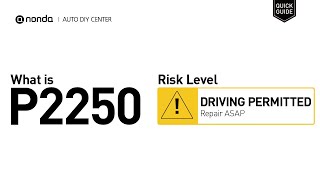
Don’t brush this one off. If the computer isn’t getting the right feedback from that oxygen sensor, it can’t dial in the fuel properly. That leads to running too rich or too lean, which can do a real number on your catalytic converter, carbon up your spark plugs, or even cause misfires. In my experience, leaving a code like this can turn a small repair into a major expense pretty quick. You’re risking bigger problems-so don’t wait to get it sorted.
Repair Steps for dtc P2250
Here’s what I’ve found works most of the time:
- Fix or replace any damaged wiring or connectors you spot during your inspection.
- If the wiring and plugs all check out, swap in a new oxygen sensor (Bank 2 Sensor 1). Stick with a good OEM part-it’s worth it.
- Clear the code, then take the car for a spin to make sure it doesn’t pop back up.
Every now and then, if you’ve ruled out the sensor and wiring but the code still returns, there could be an issue with the PCM itself. That’s rare, but it happens. Don’t jump to that conclusion until you’ve checked everything else, though.


Conclusion
So, P2250 is all about the reference voltage circuit for your front oxygen sensor on Bank 2 acting up. It’s not just an annoyance-it can wreck your engine’s performance and cost big bucks down the line if left alone. What I recommend: start with a careful check of the wiring and connections, then move on to the sensor if needed. Don’t drag your feet on this one. Tackling it early keeps your car running strong and saves you a lot of hassle in the long run.

 4350
4350 5 minutes of reading