
Causes related to dtc P2258
From experience, I can tell you that the most common reasons for a P2258 code are electrical in nature. Here’s what I usually find when I dig into these systems:
- A faulty relay for the secondary air injection pump-this is often the culprit.
- Wiring harness issues, like open (broken) or shorted (crossed) wires in the relay or pump circuit.
- Poor electrical connections, such as corroded, bent, or loose pins at connectors.
- A failed secondary air injection pump itself.
- (For Volkswagen in particular) A bad secondary air injection solenoid.
Most often the issue is with the relay or the wiring, but I’ve seen pumps and solenoids go bad too, especially as vehicles age or if they’ve been exposed to moisture and road salt.
Symptoms and obd code P2258
Whenever this code pops up, the first sign you’ll spot is the check engine light glaring at you. Most of the time, you won’t notice any change in how your car drives-especially after everything’s warmed up. But here’s where it gets tricky: if the air injection isn’t doing its job, your car could flunk an emissions test, and you might catch a rough idle or a whiff of funky exhaust right after a cold start. Every now and then, if the pump or relay’s really acting up, you might even hear some odd noises under the hood for the first minute or two after firing up the engine.

Diagnosis steps for P2258
When I’m chasing down a P2258, here’s my tried-and-true routine:
- I always kick things off by clearing the code and seeing if it comes back. Sometimes you get lucky and it’s just a one-off glitch. But if it returns, it’s time to roll up your sleeves.
- Next up, I give the wiring harnesses and connectors for the air injection pump, relay, and (if it’s there) solenoid a good once-over. I’m hunting for broken wires, corrosion, loose pins-anything out of the ordinary. Here’s a pro-tip: have someone wiggle the harness while you watch for changes or intermittent issues.
- After that, I’ll pull the relay and swap it with a known good one if I’ve got it handy. Never forget to check the fuse-overlooked way too often.
- If those look solid, I’ll bench-test the pump by jumping power right to it (always follow OEM safety protocols). If it doesn’t spin up, you’ve found your culprit. If it does, your problem’s likely on the control side-like the wiring, or maybe the ECM isn’t grounding the relay properly.
- On Volkswagens and a few others, I also put the solenoid valve through its paces, checking for proper resistance and operation. A bad solenoid alone can set this code off.
- Finally, I’ll break out the scan tool and monitor what the air injection system’s doing during a cold start. I’m watching for the ECM to command the pump and for the circuit to react the way it should.
Don’t rush past the basics-lots of problems get solved just by paying close attention during the visual inspection.
Common Mistakes with the P2258 trouble code
I can’t tell you how many times I’ve seen folks throw a brand-new air pump at a P2258, only to discover later it was a crusty connector or blown fuse all along. Skipping the relay, wiring, or connectors is a classic mistake. Another one? Forgetting to check the solenoid on Volkswagens, or not testing the relay under real load. Always start with the simple stuff-save your wallet and your sanity.

Seriousness of the P2258 code
Here’s the bottom line: you don’t want to let a P2258 linger. Sure, it might not leave you stuck on the side of the road, but a busted secondary air injection system will cause you headaches at emissions time and can cook your catalytic converter over the long haul. If the pump or relay shorts, it could even drag down other electrical systems. I’ve seen things go sideways fast if ignored, especially if you notice rough running or strange smells. Bottom line-deal with it sooner rather than later.
Repair options for the P2258 engine code
When it comes to fixing a P2258, here’s how I tackle it, step by step, based on what turns up in the diagnosis:
- Patch up or replace any damaged wiring or connectors you find in the air injection circuit.
- Drop in a new OEM relay if the old one’s bad.
- Swap the air injection pump if it fails the direct power test.
- On Volkswagens (and similar setups), replace the solenoid if it’s out of spec or not working right.
- Clear the code, start the engine cold, and use your scan tool to make sure everything’s working as it should.
Stick with quality parts, and always double-check your work before buttoning everything up.
Conclusion
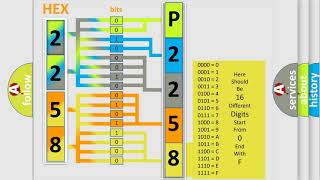
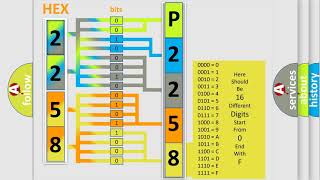
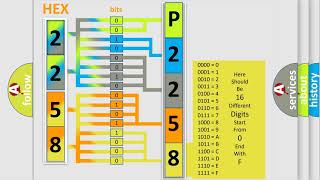
In short, P2258 means your secondary air injection system’s control circuit isn’t playing nice-most often it’s an electrical hiccup with the relay, wiring, pump, or sometimes the solenoid. Don’t put it off, since letting it ride can lead to bigger headaches and a lighter wallet down the road. The smart play is always to start with a sharp-eyed visual inspection, check the easy stuff first, and only swap out major parts if you’ve confirmed they’re toast. That’s how you keep your ride running clean and smooth.
 3651
3651 6 minutes of reading