
Causes of P2259 code
From what I’ve seen in the shop and what the official manuals say, there are a handful of usual suspects when it comes to p2259. Most often the issue is something simple, but it can get tricky. Here’s what I typically look for:
- A vacuum hose that’s clogged, cracked, or just plain disconnected
- The secondary air pump itself has failed
- A bad relay for the air pump
- The SAI valve isn’t working right
- Wiring problems-like a broken wire or corroded connector
- In rare cases, the car’s computer (PCM) could be at fault
In my experience, hoses and wiring are the first things to check, but don’t rule out the pump or valve if those look good.
Symptoms of obd code P2259
When this code is active, you’ll probably notice the check engine light is on-that’s the most obvious sign. You might not feel any difference in how the car drives, since the SAI system mostly helps with emissions, especially during cold starts. But with the system disabled, your car will be putting out more pollution than it should, and it could fail an emissions test. Sometimes, if the problem is severe, you might hear odd noises from the engine bay during startup, but that’s less common.

dtc P2259 Diagnosis Steps
Here’s how I’d tackle a dtc P2259 code, step by step. First, I always start with the basics-don’t skip these, because it’s easy to miss something simple:
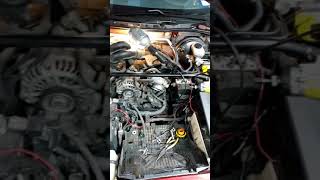
- Pop the hood and look for any disconnected or damaged vacuum hoses around the air pump and SAI valve. Sometimes a hose just slips off or cracks with age.
- Check the wiring and connectors going to the air pump, relay, and SAI valve. Look for loose plugs, corrosion, or broken wires. Give them a gentle wiggle to see if anything’s loose.
- With a scan tool, I’ll clear the code and see if it comes back right away. If it does, that usually means the problem is still there.
- If the hoses and wiring look good, I’ll test the air pump itself. Depending on your car, you might be able to hear it run for a few seconds after a cold start. If it’s silent, it could be dead or the relay isn’t working.
- Don’t forget to check the SAI valve for sticking or failure. Sometimes tapping it gently can free it up, but if it’s stuck closed or open, it’ll need replacing.
- If all else fails, I’ll check the relay and even the PCM, but honestly, it’s rare for the computer to be the culprit.
It’s better to have someone assist you when checking the pump and valve, especially if you’re testing for power or listening for operation during startup.
Common Mistakes with P2259 trouble code
I’ve seen folks jump straight to replacing the air pump or even the PCM without checking the basics first. That’s a surefire way to waste money. Another common mistake is overlooking a simple vacuum hose that’s come loose or is clogged. People also sometimes forget to inspect the relay or check for blown fuses. Skipping a thorough wiring check can lead you down the wrong path, too. Always start with the easy stuff before spending big on parts.

Seriousness of obd2 code P2259
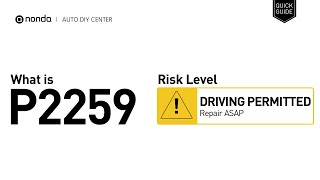
This isn’t something you want to ignore. While it might not leave you stranded, driving around with the SAI system disabled means your car is polluting more than it should, and you’ll likely fail an emissions test. Over time, if the air pump or valve is stuck, it can cause extra strain on other parts of the emissions system, like the catalytic converter. That’s a pricey part to replace if it gets damaged. Honestly, things can go south quickly if overlooked, so don’t put this off for later.
P2259 Repair Solutions
Here’s what usually fixes a p2259 code, based on what I’ve seen and what the manuals recommend:
- Reconnecting or replacing any damaged or disconnected vacuum hoses
- Repairing or replacing faulty wiring or connectors
- Replacing a failed secondary air pump or relay
- Swapping out a bad SAI valve
- In rare cases, reprogramming or replacing the PCM if it’s determined to be faulty
It’s best to start with the simple repairs before moving on to the bigger stuff. Always double-check your work before clearing the code and retesting.


Conclusion
To sum it up, code P2259 means your car’s secondary air injection system isn’t working right, and the computer has shut it down to prevent further trouble. It’s not something to panic about, but you shouldn’t ignore it either-especially if you need to pass an emissions test or want to avoid bigger repair bills down the road. Start with the basics: check hoses, wiring, and relays. Most often, it’s a simple fix. If you work through the steps methodically, you’ll get to the bottom of it. Acting quickly is the best way to keep your car running clean and avoid more serious issues.
 6328
6328 5 minutes of reading