
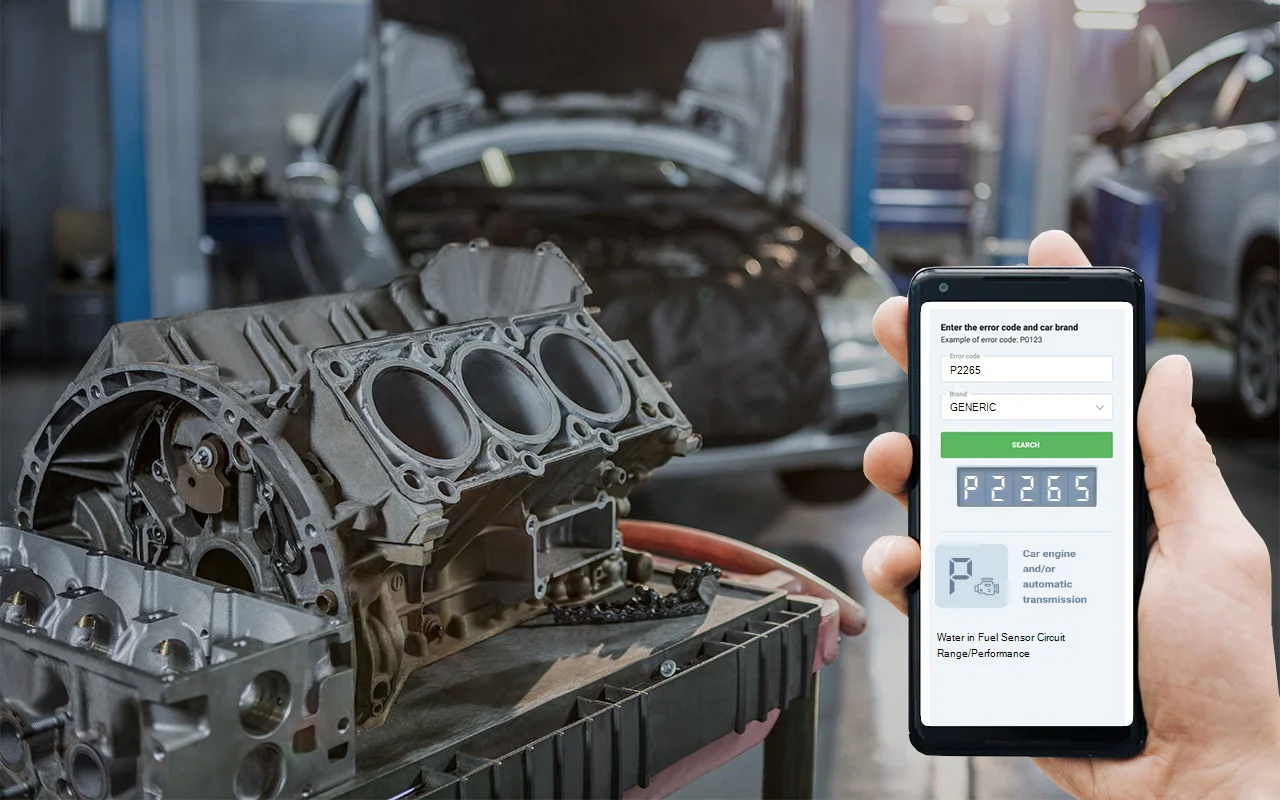
Causes and dtc P2265
From experience, the most common reasons for P2265 are pretty straightforward. Most often the issue is:
- Contaminated fuel-water or debris in the tank
- A clogged or dirty fuel filter
- A faulty water-in-fuel sensor
- Damaged or corroded wiring to the sensor
- Poor or loose electrical connections at the sensor plug
Having worked on plenty of trucks with this problem, I can tell you-contaminated fuel is usually the main culprit, especially after a questionable fill-up or if the truck’s been sitting for a long stretch. Water tends to settle at the bottom, and that’s when the sensor starts kicking up a fuss. Don’t overlook the wiring, either. I often see a bit of corrosion or a loose connector causing just as much trouble as the sensor itself. Always give those connectors and wires a careful once-over before replacing anything.
Symptoms and P2265 engine code
When this code pops, the first thing you’ll spot is that check engine light lighting up the dash. Usually, you won’t notice any huge change in how your rig drives-at first. But if there’s real water in the fuel, you’ll start to feel hesitation, rough idling, or even stalling. Some vehicles will throw a specific dash warning about water in the fuel, which you should never ignore. I’ve seen folks brush it off, only to come back with failed injectors or a toasted fuel pump-both of which are costly fixes. Bottom line: if you see P2265, don’t wait around to find out what happens next.

Diagnosis and P2265 trouble code
Here’s how I usually tackle a P2265 code:
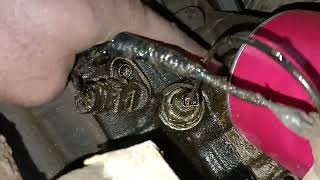
- First thing I reach for is the fuel filter’s water drain (if your setup has one). Grab a clear container and drain a bit-if you see water, you’ve found the root of your trouble.
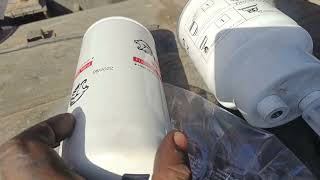
- Next, I pull the fuel filter and check its condition. If it’s dirty or overdue, swap it out. You’d be surprised how often a fresh filter solves the problem.
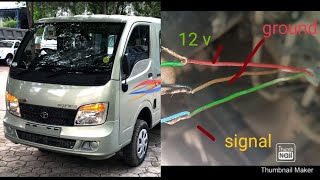
- Then, I move on to the sensor and wiring. Look for any damaged wiring, corrosion, or connectors that aren’t snug. Sometimes just unplugging and plugging the connector back in solves a flaky connection.
- If everything looks good visually, I break out the multimeter and check resistance and voltage at the sensor, comparing to specs from the service manual. If those numbers are off, the sensor’s probably shot.
- Once you’ve made a fix, clear the code and road test it. If the code comes back, you might be hunting a deeper wiring bug or a rare ECM fault, but that’s not common.
Pro tip: always start with the basics-fuel quality and filter-before you dive into the electrical side. Saves time and frustration.
Common Mistakes with obd2 code P2265
A classic mistake I see is folks rushing to swap the water-in-fuel sensor before checking for water or gunk in the tank. Another misstep? Ignoring the wiring. I’ve fixed more than a few trucks by just cleaning up a corroded connector. Skipping the fuel filter inspection is another one-sometimes that’s all it takes to trigger the code. My advice? Don’t shotgun parts at the problem. Slow down and work through each step. You’ll save yourself a bundle in unneeded parts.

Seriousness of the P2265 code
This isn’t the kind of code you want to shrug off. Water in diesel fuel can wreck injectors and pumps in a hurry-those repairs don’t come cheap. Even if it’s just a wiring issue, ignoring it means you might miss the warning when water does get in. I always tell folks: tackle this code promptly. It’s not worth the risk to your engine or your wallet.
How to Repair P2265
Here’s what I recommend for fixing P2265, based on what works in the shop:
- Drain any water from the fuel filter housing (if equipped with a drain).
- Replace the fuel filter if it’s dirty or overdue.
- Clean or repair any corroded or damaged wiring and connectors at the sensor.
- If the sensor itself is faulty (confirmed by testing), replace it with an OEM part.
- After repairs, clear the code and take the vehicle for a test drive to make sure it doesn’t come back.
Stick with good quality filters and OEM sensors, and don’t cut corners. I’ve seen plenty of do-overs when folks went for cheap parts or skipped a step. Follow the service manual and double-check your work-you’ll thank yourself later.

Conclusion
So, to wrap this up: when you get a P2265, your vehicle’s telling you there’s a hiccup in the water-in-fuel sensor circuit. That either means you’ve got water getting into your fuel system, or there’s a wiring or sensor glitch. For diesel engines, this is a big deal-water can cause serious, fast-moving damage if you let it slide. My advice? Check for water and contamination, give the filter and wiring a thorough inspection, and only start replacing parts once you’re sure you’ve found the real issue. Don’t let this one linger-acting fast is the best way to keep your engine healthy and your repair bills in check.
 5272
5272 6 minutes of reading