
Common Causes of dtc P2268
From what I’ve seen in the shop, the most common reasons for P2268 are pretty straightforward. Most often the issue is:
- Contaminated fuel (water or other impurities in the tank)
- A clogged or dirty fuel filter
- A faulty water-in-fuel sensor
- Damaged or corroded wiring to the sensor
- Poor electrical connections at the sensor plug
In my experience, wiring problems and bad sensors are the usual suspects, but don’t overlook the possibility of actual water in the fuel, especially if you’ve recently filled up at a questionable station.
Warning Signs and Symptoms of P2268 code
When this code is active, you’ll usually notice the check engine light come on. That’s the main thing most drivers see. In some cases, if there’s a lot of water in the fuel, you might also notice rough running, hesitation, or even stalling. But often, especially early on, the only sign is that warning light. If you ignore it, though, things can get worse fast.

How to Diagnose a P2268 engine code
Here’s how I usually tackle a P2268 code:
- First, I recommend starting with a visual inspection. Pop the hood and check the wiring and connector at the water-in-fuel sensor-look for broken, frayed, or corroded wires and any signs of water or dirt getting into the plug.
- Next, check the fuel filter. If it’s dirty or overdue for replacement, swap it out. Sometimes water collects in the filter bowl, so drain it if your system allows.
- If you have access to a scan tool, clear the code and see if it comes back. If it does, I move on to testing the sensor itself. Most sensors can be checked with a multimeter for proper resistance or voltage (refer to your vehicle’s specs for the exact numbers).
- If the sensor checks out, I trace the wiring back to the ECM, looking for any open circuits or shorts. Sometimes it helps to have someone wiggle the harness while you watch the scan tool or meter for changes.
- Don’t forget to check for actual water in the fuel. If you suspect contamination, drain a bit of fuel from the filter or tank into a clear container and see if water separates out at the bottom.
It’s best to work methodically-don’t skip steps, and make sure each part is really good before moving on.
Avoiding Common Mistakes with obd code P2268
I’ve seen plenty of folks jump straight to replacing the sensor without checking the wiring or the fuel itself. That’s a surefire way to waste money. Another common mistake is ignoring the possibility of water in the fuel-just because the sensor is bad doesn’t mean you don’t also have contamination. And sometimes people forget to check the connector for bent or corroded pins, which can be the root of the problem.

How Serious is P2268
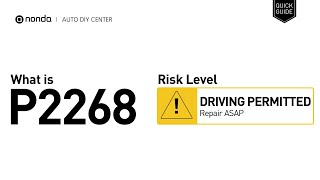
This isn’t something you want to put off. Water in the fuel can cause serious engine damage, from rusted injectors to a seized fuel pump. Even if it’s just a sensor or wiring issue, you’re flying blind without a working warning system. Things can go south quickly if overlooked, and the risks just aren’t worth it. Parts that can be damaged include the fuel injectors, fuel pump, and even internal engine components if water makes it through.
Effective Repair Solutions for obd2 code P2268
The typical fixes I see for P2268 include:
- Draining and replacing contaminated fuel
- Replacing a clogged or dirty fuel filter
- Repairing or replacing damaged wiring or connectors
- Replacing the water-in-fuel sensor if it’s faulty
- Cleaning the sensor connector and making sure it’s tight and free of corrosion
Always double-check your work and clear the code to make sure it doesn’t come back.


Conclusion
To sum it up, P2268 means your vehicle’s water-in-fuel sensor circuit isn’t working right, and that’s a big deal for engine health. Diagnosing it is usually straightforward if you start with the basics: check the wiring, the sensor, and the fuel itself. Don’t ignore this code-acting quickly can save you from expensive repairs down the line. The most reliable fix is to address any fuel contamination, replace bad parts, and make sure the wiring is solid. That way, you can drive with confidence knowing your engine is protected.
 5301
5301 5 minutes of reading