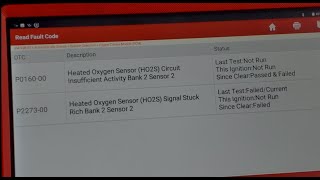
When you see a P2273 code pop up, it’s your engine’s way of telling you there’s trouble with the post-catalytic converter oxygen sensor on bank 2, sensor 2. Let me break it down for you: this sensor sits right behind the catalytic converter, but only on the bank that doesn’t have cylinder #1. Its whole job is to keep tabs on how well your catalytic converter is scrubbing the nasty stuff out of your exhaust. If your scan tool throws this code, it usually means the sensor is stuck giving a ‘rich’ signal-too much fuel, not enough air, or maybe the sensor itself is just locked into that reading. The computer is always looking for that sensor voltage to bounce around as the engine conditions change. If it just stays high for too long, you get P2273. This sensor isn’t just there for show-it’s essential for keeping your emissions in check and making sure your engine isn’t burning more fuel than it should.
DTC P2273
 5553
5553 5 minutes of reading
Main Causes of obd2 code P2273
From my time under the hood, here’s what typically sets off a P2273 code:
- Rich conditions in the exhaust-think leaking fuel injectors or a mass air flow sensor gone haywire and dumping in too much fuel.
- A worn-out or failed post-cat oxygen sensor-these guys don’t last forever.
- Electrical gremlins-damaged wires, corroded connectors, or loose plugs can play havoc with the sensor’s signal.
- And once in a blue moon, the PCM (engine computer) itself is to blame.
Most of the time, it’s a simple wiring hiccup or a tired sensor. But I’ve seen plenty of fuel delivery issues sneak in there, so don’t skip checking those basics.
Most Common obd code P2273 Symptoms
When P2273 rears its head, you’ll almost always spot a glowing check engine light first. That’s your car waving a red flag. You might feel the engine hesitate, stumble, or just not have the guts it should-sometimes it’s subtle, other times it’s obvious. Fuel economy takes a nosedive, so expect to hit the pump more often. Oddly enough, I’ve seen cars with this code that seem to run just fine, at least at first. Don’t let that fool you-just because it drives, doesn’t mean everything’s alright.

Diagnosis Steps for P2273 code
Here’s how I tackle a P2273, step by step:
- Start with a full scan. Look for any other codes-sometimes, those will point you straight to the culprit.
- Give the sensor wiring and connector a good inspection-look for brittle insulation, green crusty corrosion, or anything that looks out of place. I like to have someone wiggle the harness while I watch live data, just to see if the readings jump around.
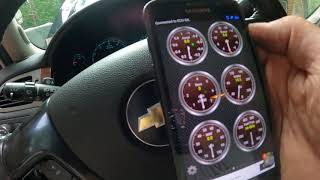
- Next, fire up your scan tool and monitor the sensor’s voltage. You’re looking for the numbers to move as the engine runs. If it’s glued high (rich) and never budges, that’s a huge clue.
- If wiring checks out but the sensor still acts up, look for signs your engine’s running rich-black smoke, strong gasoline smell out the tailpipe, or spark plugs that are black and sooty.
- Still stuck? Swap the sensor with the one on the other bank, if you can. If the problem follows the sensor, you’ve found your answer.
- Don’t forget the basics: clogged air filters, dirty mass air flow sensors, and leaky injectors will all cause headaches here.
Honestly, it pays to have the right wiring diagrams and repair info for your make and model before you start chasing ghosts.

Common Mistakes When Fixing P2273
A classic mistake I see is folks rushing out to buy a new oxygen sensor without even glancing at the wiring or checking for fuel leaks. That’s how you end up wasting cash and still staring at the same code. Another one-ignoring other trouble codes that could steer you right to the real issue. Always start with a careful look-over and never skip the basics. Trust me, it’ll save you headaches down the line.

How Serious is dtc P2273
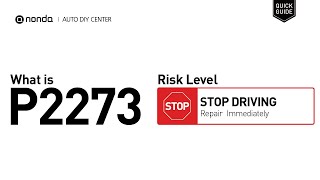
I can’t stress this enough-you don’t want to let a P2273 code sit. If your engine’s running rich, you’re asking for trouble: catalytic converter damage (and those aren’t cheap), higher fuel bills, and the risk of getting stranded if the problem snowballs. I’ve seen folks ignore this code, only to end up with misfires or even engine damage. Bottom line? Treat it like the serious issue it is.
Repair Solutions for P2273 engine code
When it comes to fixing P2273, here’s what usually does the trick in my shop:
- Patch up or replace any damaged wiring or iffy connectors at the sensor first.
- If you’ve got a confirmed bad sensor, swap out the post-cat O2 sensor on bank 2.
- If it’s a rich condition causing the trouble, fix that-could be a leaking injector, clogged or dirty mass air flow sensor, or another fuel system issue that needs attention.
- On rare occasions, if the PCM’s the culprit, you might have to reflash or replace it. But that’s the exception, not the rule.
Once you’ve made the repair, clear the code, then take the car for a test drive. Make sure that light stays off and everything’s running smooth before calling it done.
Conclusion
So, here’s the bottom line: P2273 means your computer thinks the post-cat oxygen sensor on bank 2 is stuck reading rich. Could be a bad sensor, could be wiring, or maybe your engine’s running rich for some other reason. Don’t drag your feet on this one-catching it early can save you a bundle in repairs later. Start simple with wiring and sensor checks, then dig deeper if you need to. The best fix always comes from a methodical approach-find the real cause, don’t just treat the symptom.