
Causes of obd code P2284
From my time under the hood, I can tell you that P2284 usually boils down to a few usual suspects. Here’s where I’d look first:
- The most common? A worn-out or failing injector control pressure (ICP) sensor. Sensors just don’t last forever-trust me, I’ve swapped out more than I can count.
- Oil delivery hiccups-think low oil, oil that’s turned to sludge, or even foamy, aerated oil. Any of these can throw off the pressure readings and trip this code.
- Running low on fuel or oil. Sounds simple, but you’d be surprised how often a basic fluid check gets skipped.
- Electrical gremlins-damaged wires, crusty or loose connectors, or a blown fuse in the ICP circuit can all mimic a bad sensor.
- And, though it’s rare, a glitchy PCM itself could be the root cause.
If you’re starting your troubleshooting, always begin with the sensor and the basics before diving into deeper waters. That’s saved me a lot of time (and headaches) over the years.
Symptoms of P2284
When this code lights up your dash, you’ll spot a few telltale signs. First, your check engine light is likely glaring at you. Don’t just ignore it-there’s a reason it’s on. Engines with this code often run rough, stumble on startup, or even stall out when you least expect it. You might feel the power drop off, or the throttle gets sluggish when you hit the gas. If you’re noticing any of these, your fuel or oil pressure system is definitely crying out for help. Trust me, these aren’t the kind of symptoms you want to let slide.

Diagnosis steps for P2284 code
When I’m tracking down a P2284, here’s my go-to process:
- Step one-pop the hood and check your oil and fuel levels. Make sure oil’s up to spec and crystal clear, not black or gritty. Low or nasty oil will absolutely mess with your readings.
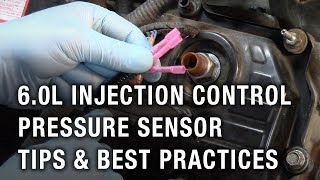
- Next, take a close look at the ICP sensor and its harness. I’ve caught plenty of problems just by spotting broken wires, corroded plugs, or connectors that have worked themselves loose. Sometimes, unplugging and plugging the connector back in can clean up a bad contact.
- Time to grab a scan tool. I’ll pull live data from the ICP sensor and compare those numbers to what’s in the factory manual. If the readings are way off base, you’re probably looking at a bad sensor.
- If the sensor data looks okay, I break out the multimeter to check for wiring continuity and shorts in the harness. Don’t forget the fuses-one blown fuse can throw the whole system for a loop.
- If I’m still coming up empty, I’ll swap in a known-good ICP sensor if I have one on hand. That usually tells me if the sensor’s at fault or if I need to keep digging.
- PCM problems? Honestly, that’s a last resort-maybe one in a hundred cases. I’m not reaching for a new PCM until I’ve ruled everything else out.
My advice? Always start with the basics-fluids, connectors, simple wiring checks. If you’re not comfortable poking around with a multimeter, don’t risk it. Let a pro handle the electrical side before you get in over your head.
Common Mistakes during dtc P2284 troubleshooting
A classic mistake I see all the time is folks running out and replacing the ICP sensor right off the bat without even glancing at their oil. If your oil’s low or filthy, a shiny new sensor won’t fix the real problem. Another one? Ignoring the wiring-damaged or corroded wires and connectors can act just like a failed sensor. And don’t forget those fuses; skipping that step can leave you scratching your head for hours. Finally, don’t just clear the code and hope it won’t come back. If you don’t nail down the actual problem, that check engine light will haunt you again, guaranteed.

Seriousness of a P2284 engine code issue
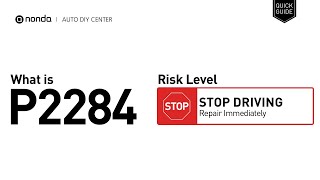
P2284 isn’t something you want to push off. Keep driving with this code and you could end up stalled out, stuck with a no-start, or even worse-risk major damage to your injectors, high-pressure oil pump, or the engine itself. From what I’ve seen, things can go south in a hurry if you ignore these warning signs. My advice? Don’t wait until you’re stranded. Get this checked out right away, or you could be looking at a repair bill that’ll make you wince.
How to repair an obd2 code P2284
When it comes to fixing P2284, here’s what usually gets the job done:
- Swapping out a bad injector control pressure sensor (ICP sensor) tops the list.
- Repairing or replacing any damaged wiring or connectors in the ICP circuit is often the real solution.
- If oil or fuel levels are low-or the oil’s turned into sludge-change it out and top everything off.
- Replace a blown fuse or clean up a dodgy connection in the circuit if you find one.
- PCM issues do pop up once in a blue moon, but they’re rare. Don’t jump straight to replacing the computer.
From what I’ve seen in the bay, tackling the sensor and wiring usually does the trick. Just be sure you’re using the right parts and following your vehicle’s service manual. Cutting corners here can cost you more in the long run.
Conclusion
Bottom line-P2284 means your PCM isn’t happy with the input from the injector control pressure sensor, and that can spell trouble for diesel engines that count on high-pressure oil for proper fuel delivery. This isn’t a minor annoyance. If you let it slide, you could end up with a stalling engine, a no-start, or even serious damage that’ll hit your wallet hard. Stick to the basics: check your fluids, inspect the sensor and wiring, and only start thinking about big-ticket items if that doesn’t clear things up. If you’re not confident, don’t gamble-get a seasoned technician on your side. Fast action now is the best way to keep your engine healthy and your truck on the road, not stuck in the shop.
 5114
5114 6 minutes of reading