
Causes of the P2286 engine code
From what I've seen in the shop and what the official manuals say, the most common reasons for P2286 are:
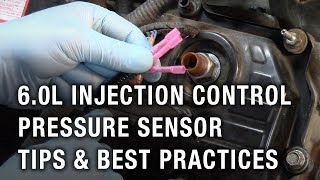
- A faulty Injector Control Pressure (ICP) sensor-these can fail with age or contamination.
- Wiring harness problems-open circuits, shorts, or damaged wires going to the ICP sensor.
- Connector issues-broken, bent, corroded, or pushed-out pins at the ICP sensor plug.
- Less commonly, a problem with the PCM itself, but that's pretty rare in my experience.
Most often the issue is with the sensor or its wiring, not the computer.
Symptoms of the P2286 trouble code
If your vehicle has a p2286, here’s what you’ll probably notice:
- The check engine light will come on-sometimes it’s the only clue.
- You might feel the engine running rough or lacking power, especially under load.
- Fuel economy can take a hit.
- In some cases, the engine might hesitate, misfire, or even stall.
From experience, sometimes the symptoms are subtle, but don’t let that fool you-this code means something’s not right with your fuel delivery.

Diagnosis of P2286
Here’s how I usually go about diagnosing p2286, step by step:
- First, I always start with a visual inspection. Pop the hood and check the ICP sensor and its wiring harness. Look for obvious damage-cracked insulation, chafed wires, or oil contamination around the sensor.
- Next, I unplug the ICP sensor connector and check for bent, corroded, or pushed-out pins. It’s easy to overlook, but connector issues are a common culprit.
- With a multimeter, I check for proper voltage at the sensor connector-there should be a 5V reference and a good ground. If either is missing, trace the wiring back to the PCM.
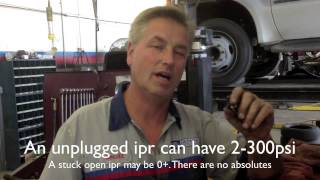
- If the wiring checks out, I’ll use a scan tool to monitor the ICP sensor reading. If it’s stuck high or doesn’t change with engine conditions, that’s a strong sign the sensor itself is bad.
- Sometimes, swapping in a known-good sensor is the quickest way to confirm a bad one, especially if you have access to one.
It’s better to have someone assist you when checking live data or wiggling wires-sometimes a bad connection only shows up when the harness is moved.
Common Mistakes when Fixing the P2286 code
I’ve seen folks jump straight to replacing the sensor without checking the wiring or connectors first. That’s a surefire way to waste money if the problem is just a loose pin or a damaged wire. Another common mistake is ignoring oil contamination around the sensor-oil can get into the connector and cause all sorts of electrical gremlins. Don’t forget to check the basics before moving on to more expensive parts.

Seriousness of obd2 code P2286
This isn’t something you want to ignore. When the ICP sensor circuit is out of whack, your engine computer can’t control fuel injection properly. That can lead to poor performance, stalling, or even no-start situations. If left unchecked, you risk damaging your injectors or the high-pressure oil system. Honestly, things can go south quickly if overlooked, and you don’t want this kind of trouble on the road-especially if you rely on your truck for work or towing.
Repair Solutions for obd code P2286
Here’s what usually fixes p2286, based on OEM procedures and what I’ve seen work in the field:
- Replace the ICP sensor if it’s faulty-make sure to use the correct part for your engine.
- Repair or replace any damaged wiring or connectors in the ICP sensor circuit.
- Clean any oil contamination from connectors and harnesses-sometimes a good cleaning is all it takes.
- Clear the code and test drive to make sure the repair worked and the code doesn’t return.
In rare cases, if the PCM is at fault, it may need to be replaced or reprogrammed, but that’s the last resort after everything else checks out.
Conclusion
To sum it up, P2286 means your engine’s ICP sensor circuit is reading too high, which messes with fuel delivery and engine performance. It’s a moderate to high-priority issue-don’t put it off, because it can lead to bigger problems fast. The best way forward is to start with a careful inspection of the sensor, wiring, and connectors, then replace the sensor if needed. Acting quickly is the most reliable way to keep your engine running strong and avoid more expensive repairs down the line.
 3507
3507 5 minutes of reading