
Causes of P2288 code
From experience, the most common reasons I see for a P2288 code are:
- A faulty Injector Control Pressure (ICP) sensor-this is the sensor that tells the computer what the fuel pressure is.
- Wiring problems-like damaged, corroded, or loose wires and connectors going to the ICP sensor. Sometimes a wire is broken inside the insulation, or a pin in the connector is bent or pushed out.
- Electrical circuit issues-such as shorts or open circuits in the ICP sensor wiring.
On Ford diesels, these are almost always the culprits. Other brands might have slightly different root causes, but it’s usually something to do with the sensor or its wiring.
Symptoms associated with obd code P2288
Here’s what you’re likely to notice if P2288 pops up. First off, that pesky check engine light will probably be shining back at you. But there’s more-sometimes the engine gets rough, starts acting up, or just doesn’t want to fire up easily, especially when it’s hot. Power loss isn’t unusual either. I’ve seen engines go into ‘limp mode,’ cutting power to protect themselves; if you’ve ever had that happen, you know it’s no fun. Diesel owners, pay attention: hard starting is a classic sign, particularly after the motor’s warmed up. Sometimes, all you get is the warning light-no other hints. Don’t ignore it.

Diagnosis steps for obd2 code P2288
Let me walk you through how I tackle P2288 in the garage. First thing I do? Get hands-on with a visual inspection. I’m checking the wiring and connectors at that ICP sensor, hunting for any visible damage, corrosion, or pins that just aren’t sitting right. Pay close attention-wires rubbing against engine parts can wear through insulation, and you won’t spot it unless you look closely. Next, I’ll unplug the sensor and scrutinize the connector pins. Bent, pushed-out, or corroded pins are all trouble. Here’s a tip: have a buddy wiggle the harness while you watch the sensor readings on a scan tool. If those readings jump around, you’ve got yourself a wiring problem. Moving on, I’ll use a scan tool to pull actual ICP pressure readings and compare them with factory specs. If the numbers are wild-especially with the engine off-either the sensor’s toast or something’s up with the wiring. If everything looks clean, I’ll test the sensor directly, swapping in a known-good one or following the OEM test procedure for resistance and signal output. Sometimes, when nothing obvious shows up, you have to dig deeper into the wiring harness itself for hidden breaks or shorts, and check if the engine control module is actually reading the sensor right. My advice? Start with the simple stuff before you start swapping expensive parts.
Common mistakes when fixing P2288 trouble code
A classic mistake I see all the time is folks swapping out the ICP sensor right off the bat, without even glancing at the wiring or connectors. Another thing people miss is corrosion or pins that have backed out-those little details can mess with readings and send you on a wild goose chase. Skipping the scan tool step? Big error. If you don’t compare actual sensor values to what you should be seeing, you might end up wasting money on parts you don’t need. Always double-check the basics before you dive into costly repairs.

How serious is dtc P2288
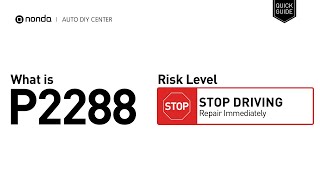
Trust me, P2288 isn’t something you want to shrug off. When injector control pressure gets too high, your engine can start running rough, stall out, or even refuse to start altogether. Let it slide, and you could be looking at lousy fuel economy, rough running, or, in the worst-case scenario, wrecked injectors or a fried high-pressure fuel system. Nobody wants to get stranded, and damage like this isn’t cheap to fix. There’s a real safety risk too-if the engine quits while you’re driving, that’s a bad situation. Get it sorted.
Repair steps for P2288 engine code
Once you’ve nailed down what’s wrong, fixing P2288 is usually straightforward. Here’s what works in most cases:
- Patch up or swap out any damaged wiring or connectors at the ICP sensor.
- Clean off any corrosion from the connector, and make sure those pins are straight and locked in place.
- If the sensor’s shot, replace it with a genuine OEM part-don’t cheap out here.
- On rare occasions, if wiring and sensor are both good, you might have to dig into diagnosing the engine control module or related electronics, but that’s not something I see often.
After the fix, clear the code and take the car for a test drive to make sure everything’s working as it should.


Conclusion
So what does P2288 really mean for you? It’s your engine’s way of telling you that fuel pressure is running higher than expected, almost always because of a sensor or wiring glitch. Don’t put it off-waiting can turn a simple fix into a big headache, or leave you stranded. My advice? Start with a careful look at the wiring and connectors, then check the sensor if things still aren’t right. In my years on the job, tackling the basics first nearly always gets folks back on the road with confidence.
 4728
4728 6 minutes of reading