
Causes of P2289 code
From what I’ve seen in the shop, the most common reasons for a p2289 code are:
- A faulty Injector Control Pressure (ICP) sensor-this is the top culprit in most cases.
- Wiring harness issues, like broken, shorted, or corroded wires going to the ICP sensor. Sometimes it’s just a loose or dirty connector.
- Problems with the ICP sensor’s electrical circuit-could be an open circuit or a short somewhere along the line.
In rare cases, it could be a deeper issue in the fuel injection system, but nine times out of ten, it’s one of those first three. I recommend starting with the sensor and its wiring before diving into anything more complicated.
Symptoms of dtc P2289
If you’ve got a dtc P2289 active, here’s what you’ll probably notice: the check engine light will come on, and you might see a warning about the engine or service soon. Sometimes, you’ll feel the engine running rough, maybe a bit of hesitation or even stalling, especially when you’re accelerating or under load. In some cases, the engine might go into a ‘limp’ mode to protect itself, which means you’ll have reduced power. If you’re lucky, you might not notice much besides the warning light, but it’s not something to ignore.

Diagnosis and P2289 trouble code
Here’s how I usually tackle a P2289 trouble code, step by step:
- First, I always start with a visual inspection. Pop the hood and check the ICP sensor and its wiring harness. Look for any obvious damage-cracked wires, loose connectors, corrosion, or anything that looks out of place. It’s best to have someone wiggle the harness while you watch for changes.
- Next, I unplug the ICP sensor and check the connector pins. Make sure none are bent, pushed out, or green with corrosion. Clean them up if needed.
- After that, I use a scan tool to read the live data from the ICP sensor. If the readings are way out of range compared to what’s expected, that’s a big clue the sensor itself is faulty.
- If the sensor and wiring look good, I’ll check the circuit for continuity and shorts using a multimeter. This means checking the wires from the sensor all the way back to the engine control module.
- Only after all those checks would I consider replacing the sensor or looking deeper into the fuel system. Don’t forget to clear the code and see if it comes back after repairs.
Common Mistakes with obd2 code P2289
One thing I see a lot is folks jumping straight to replacing the ICP sensor without checking the wiring or connector first. That’s a surefire way to waste money if the real problem is just a loose or corroded pin. Another mistake is not using a scan tool to check live data-guessing instead of confirming. And sometimes, people overlook simple things like a blown fuse or a harness rubbing against something hot and melting. Always start with the basics before you start swapping parts.

Seriousness of P2289 engine code
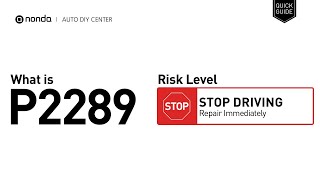
This isn’t something you want to put off. High injector control pressure can cause all sorts of trouble-poor engine performance, hard starting, or even stalling in traffic. In the worst case, it can lead to damage in the fuel injectors, high-pressure oil system, or even the engine itself if ignored for too long. Honestly, it’s dangerous to ignore this, especially if your engine starts running rough or loses power. Things can go south quickly if you keep driving with this code active.
Repair solutions for P2289
Here’s what usually fixes a P2289, based on what I’ve seen and what the official procedures say:
- Replace the ICP sensor if it’s faulty or giving out-of-range readings.
- Repair or replace any damaged wiring or connectors going to the ICP sensor.
- Clean up any corrosion on the sensor connector pins.
- If the wiring and sensor check out, inspect the rest of the fuel injection control system for deeper issues, but that’s rarely needed.
After repairs, always clear the code and test drive to make sure it doesn’t come back.

Conclusion
To sum it up, P2289 means your engine’s injector control pressure is too high, usually because of a bad sensor or wiring problem. It’s important to get this checked out right away-don’t wait, because it can lead to bigger, more expensive problems or even leave you stranded. The best way to tackle it is to start with a careful inspection of the sensor and wiring, fix what you find, and only move on to more complex repairs if needed. That’s the most reliable way to get your car back to running safely and smoothly.
 4704
4704 5 minutes of reading