
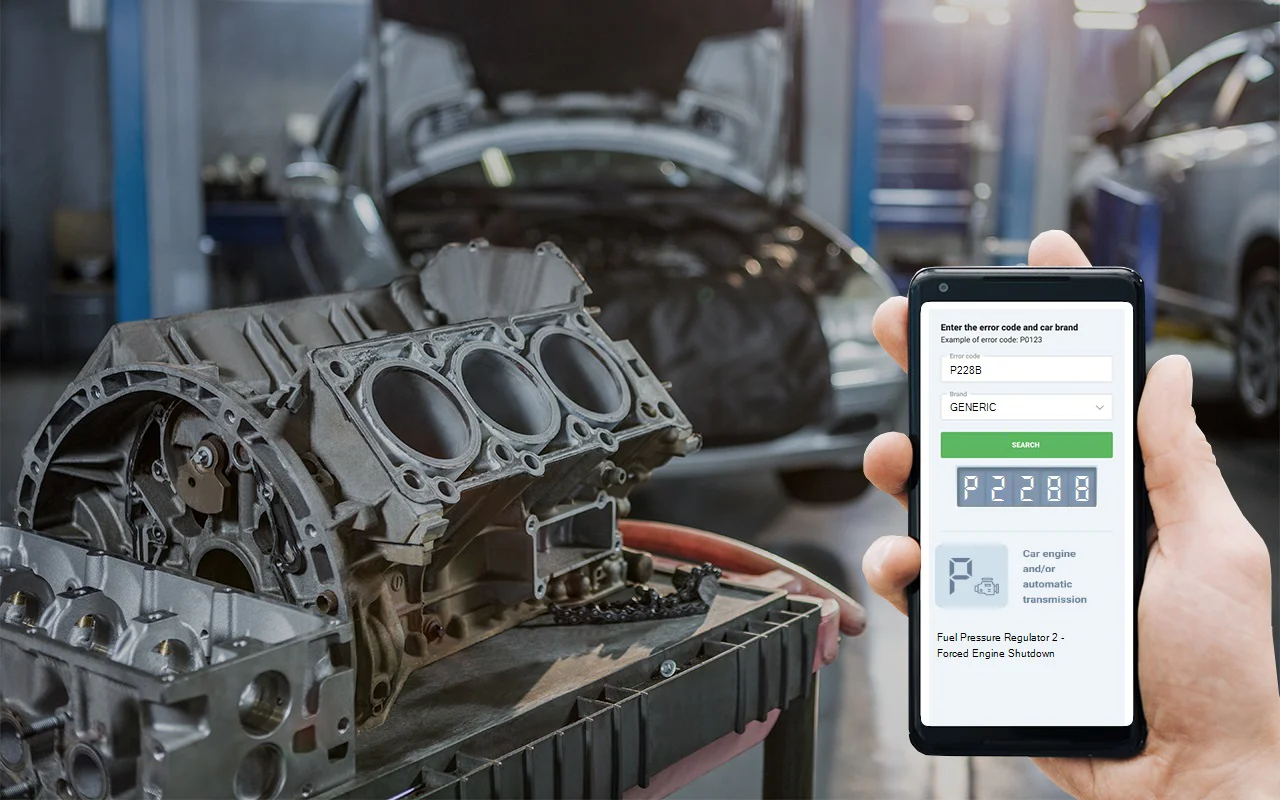
Main Causes of P228B Explained obd code P228B
Over the years, I’ve tracked down plenty of P228B codes, and a few culprits crop up again and again. Nine times out of ten, the fuel pressure regulator is to blame-maybe it’s jammed up, gummed with debris, or just plain worn out from years of service. But I’ve also seen weak fuel pumps, clogged fuel filters choking off flow, and electrical issues like corroded connectors or broken wires in the regulator circuit. Occasionally, a leaky or stuck-open fuel injector or a dodgy fuel rail pressure sensor will throw this code, too. Here are the problems I run into most often:
- Faulty or sticking fuel pressure regulator 2
- Weak or failing fuel pump
- Clogged fuel filter restricting flow
- Electrical issues-damaged wiring or poor connections in the regulator circuit
- Leaky or stuck-open fuel injector
- Malfunctioning fuel rail pressure sensor
Recognizing the Symptoms of P228B obd2 code P228B
From my time working on these systems, when P228B shows up, the engine usually tells on itself. You might notice it’s running rough, especially when you try to pick up speed. Hesitation, power loss, stalling-these are all classic signs. Don’t be surprised if your check engine light’s glowing, and if things get out of hand, the car might drop into limp mode or even shut down altogether. A lot of folks also complain about hard starts or long cranking before the engine finally fires up. If you’re spotting any of these signs, your fuel system is crying for attention.

How to Diagnose P228B Issues P228B code
Whenever I’m hunting down a P228B, I always start with the basics-and so should you. First off, check the fuel level and make sure the gas isn’t old or contaminated. Then, give the wiring and connectors around the fuel pressure regulator and pump a close look-anything loose, frayed, or corroded can cause serious headaches. Next, I hook up a scan tool to monitor real-time fuel rail pressure and see if it matches what the computer wants. If the pressure is lagging, I pull the fuel filter and check for blockages, and I’ll test the fuel pump’s output. If those all check out, it’s time to focus on the fuel pressure regulator. Sometimes, just giving it a gentle tap can tell you if it’s sticking. Don’t forget to check if any injectors are leaking or sticking, and always confirm the readings from the fuel rail pressure sensor. If you’re not confident working with pressurized fuel, get a buddy or a pro to help-safety comes first in my shop, and it should in yours too.
Avoiding Common Mistakes with P228B P228B engine code
A classic mistake I see is folks swapping out the fuel pressure regulator right off the bat, without checking the simple stuff first. Overlooking a clogged filter or a tired fuel pump just burns time and money. Ignoring the wiring and connectors is another big one-just because a part isn’t broken doesn’t mean electricity’s getting where it needs to go. And don’t get tunnel vision on the regulator: a faulty fuel rail pressure sensor can throw you off the scent, so always double-check those readings before you shell out for new parts. Take it step by step-the quickest fix isn’t always the right one.

How Serious Is P228B dtc P228B
P228B is one of those codes that demands quick attention. Running lean because of low fuel pressure can lead to overheating, misfires, or even serious engine damage-trust me, I’ve seen it all. Sometimes, if things get bad enough, the engine will just shut itself down, which is the last thing you want in the middle of a drive. Ignore it, and you could be shopping for a new pump, injectors, or even a replacement engine. My advice? Don’t wait. Get it fixed before a simple warning turns into a wallet-busting repair.
Repair Solutions for P228B P228B trouble code
When it comes to fixing P228B, I’ve found that replacing a faulty fuel pressure regulator or a weak pump is often the ticket. If your fuel filter’s clogged, swap it out-that’s a quick job that can make a world of difference. Repair any sketchy wiring or connectors, and if the pressure sensor’s giving you bogus numbers, go ahead and replace it. Sometimes, you’ll find a leaky injector needs attention, too. After every repair, I always clear the code and take the car for a spin to make sure everything’s running as it should. That final test drive tells you if you’ve really solved the problem.


Conclusion
Bottom line: P228B tells you your fuel system can’t keep up with your engine’s needs, and that’s a recipe for trouble-both for performance and for your wallet. Start with the basics like fuel level, the filter, and wiring before diving into the regulator or pump. Don’t take any chances by putting this off; you could end up stuck or facing a much bigger fix. In my experience, a careful, methodical approach always pays off-don’t just chase the symptoms, get to the root cause and fix it right the first time.
 4051
4051 5 minutes of reading