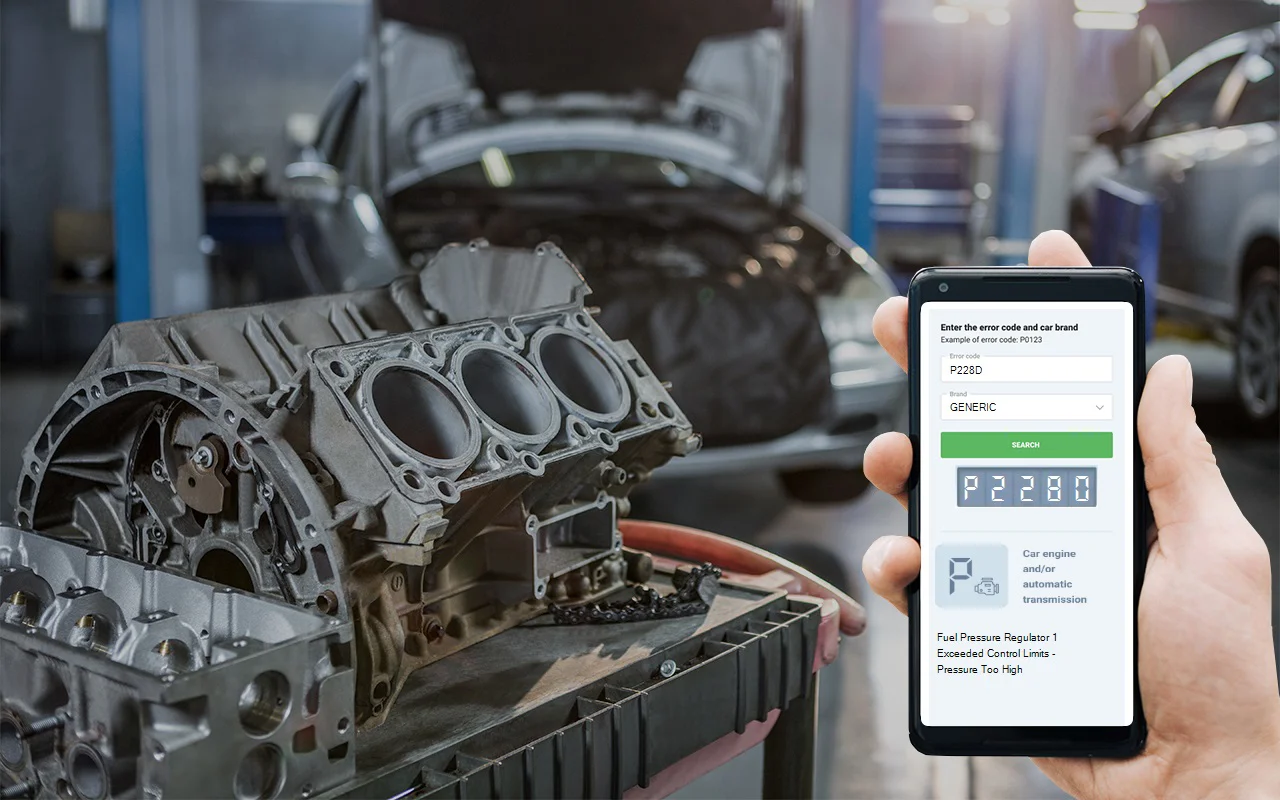
Let me break it down for you: when you see a P228D code pop up, your car’s computer is basically flagging that the fuel pressure is running way too high. To get specific, it’s pointing the finger at Fuel Pressure Regulator 1 for letting the pressure in the fuel rail go past what the engine’s actually calling for. From my time working on fuel systems, I can tell you this is a key part of making sure your engine gets just the right amount of fuel, exactly when it needs it. These days, most vehicles rely on an electronic regulator to keep things balanced, and when that component starts acting up, that’s when codes like P228D show up. The computer’s not just being picky-it’s looking out for your engine and the emissions gear, so it’ll send out a warning as soon as something’s out of whack.
DTC P228D
 4776
4776 5 minutes of reading
Causes and dtc P228D
From experience, the most common reasons I see for a P228D code are:
- An incorrectly timed engine - this can throw off the whole fuel delivery process.
- Low engine oil pressure - believe it or not, some fuel systems rely on oil pressure to work right.
- A faulty fuel pressure sensor - if it’s giving the computer bad info, the system can’t regulate pressure properly.
- A defective fuel pressure regulator - if this part sticks or fails, the pressure can spike.
- A faulty PCM (the vehicle’s main computer) or a programming error - not as common, but it does happen.
Honestly, most of the time it’s one of those first three, but I never skip checking the rest just to be sure nothing sneaky is hiding.
Symptoms and P228D engine code
When P228D is in play, you’ll usually pick up on a few telltale signs right away. That check engine light coming on? That’s your first clue. But it doesn’t stop there-you might notice your engine feels rough, wants to stall at idle, or hesitates hard when you’re trying to get moving. Sometimes, things get so out of hand that your car drops into ‘limp mode’-that’s when it limits power to save itself, and trust me, you’ll feel it. If you’re running into any of these issues, don’t wait around; it’s time to put some eyes on it.

Diagnosis and P228D
Here’s how I usually tackle a P228D code, step by step:
- First off, I check the engine oil-both level and condition. Dirty or low oil can mess with fuel systems that use oil pressure, and you’d be surprised how often that’s the root of the issue.
- Next, I grab my scan tool and look at the live fuel rail pressure compared to what the computer wants. If actual pressure’s too high, that’s confirmation right there.
- Then it’s on to the fuel pressure sensor and its wiring. I’ve lost count of how many times a corroded connector or bad sensor has been behind this code. Check for damage or sketchy connections.
- After that, the fuel pressure regulator gets a close look. If it’s sticky or failing, sometimes just a tap will make the readings bounce all over the place-a solid sign it needs swapping.
- If those are all in the clear, I check the PCM for any needed updates or programming bugs. Not super common, but it’s bitten me before.
- Throughout it all, I’m tuned in for any engine timing issues-odd noises or other codes related to timing need to be sorted out ASAP.
If you’ve got a buddy to help while you watch live data or poke around under the hood, even better. And here’s a pro-tip: double-check all your connections before you start replacing anything. Saves headaches down the road.
Common Mistakes and obd code P228D
A classic mistake I see? Folks throwing parts at the car-swapping out the fuel pressure regulator or sensor-without checking the basics. Overlooking oil pressure is a biggie; if that’s low, you could be chasing your tail for hours. Another thing: don’t ignore the wiring. A loose connector or a bit of corrosion can make your sensor look bad when it’s really just a wiring hiccup. So here’s my advice-cover the simple stuff first before you spend money or time on bigger fixes.

Seriousness and P228D code
Trust me, this is one code you don’t want to shrug off. High fuel pressure isn’t just a minor annoyance; it can wreck your engine, clog up your catalytic converter, and create fuel leaks or damage injectors. I’ve seen engines take a beating because someone kept driving with P228D active. Bottom line? Don’t risk it. Get to the bottom of it before a small problem turns into a wallet-busting repair.
Repair and P228D trouble code
Once I know what’s causing the P228D, here’s how I go about fixing it:
- If oil pressure’s the culprit, I start there-fresh oil and a new filter, then check things like the oil pump or any blockages in the passages.
- If the fuel pressure sensor is acting up, I’ll swap it out and clear the code.
- If it’s the regulator causing grief-sticking or flat-out failed-it gets replaced.
- For a PCM issue or if it needs updated software, I’ll handle the reprogramming or replacement.
- And if engine timing is out, I set it straight using the manufacturer’s specs.
After the fix, I always clear the codes and take the car for a test drive. No shortcuts-if everything’s good, you’re back on the road with confidence.
Conclusion
So what’s the bottom line? P228D means your fuel pressure is through the roof, and that’s a real threat to your engine and emissions setup. Most times, it comes down to oil pressure, a bum sensor, or a faulty regulator. My advice? Start simple-check your oil and the wiring to the sensor-before you dive into bigger repairs. Don’t let this one slide; fixing it quickly is the best way to dodge major bills and keep your ride running strong.