
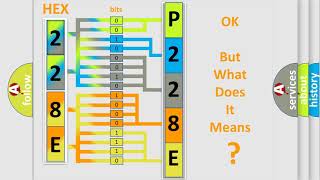
Causes and obd2 code P228E
From my time under the hood, these are the main troublemakers for a p228e code:
- That fuel filter-if it’s clogged or damaged, it’ll starve the system. If you haven’t swapped it out in a while, chances are it’s overdue.
- The fuel pressure regulator itself can fail or stick. Wear and tear gets to everything eventually.
- A tired fuel pump is another big one. If it can’t keep up with demand, pressure drops and this code will set.
- And don’t overlook the fuel pressure sensor-if it’s sending bogus info, your PCM doesn’t stand a chance at managing pressure correctly.
With Fords, these four are usually at the top of my checklist. I don’t waste time on wild theories until I’ve ruled these out first.
Symptoms and dtc P228E
If you’ve got p228e, your car will let you know. Most folks see the check engine light-sometimes with a specific warning about the fuel system. But that’s just the start. You might feel the engine stumble or run rough, and getting the car started could turn into a chore. Ever step on the gas and feel like your car’s got nothing left in the tank? That’s classic low fuel pressure. In tougher cases, the engine may actually stall out, especially if you’re idling or putting it under load. If any of this sounds familiar, your fuel system is definitely unhappy.

Diagnosis and obd code P228E
I approach a p228e like any stubborn fuel system problem-by sticking to a game plan:
- Start with the fuel filter. If it’s gummed up or clogged, you’ve found your problem. Filters are cheap and easy to check-don’t skip this step.
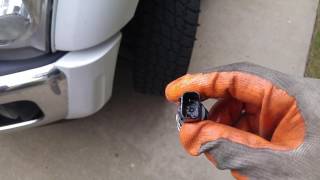
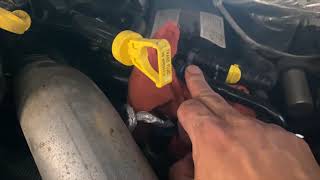
- Next, I get in close and inspect all the wiring and connectors for the regulator, fuel pump, and pressure sensor. Corrosion, broken wires, or a loose connector can cause all kinds of headaches. Sometimes just unplugging and plugging back in is enough to clear things up.
- Then I break out the fuel pressure gauge. If the readings are low, I know I’m on to something. If everything checks out, I keep digging.
- At this point, I’ll grab a scan tool and compare live sensor data to the gauge reading. If the sensor says one thing and the gauge says another, it’s time for a new sensor.
- If I’ve ruled out everything else, I’ll move to the fuel pump itself. Weak pumps don’t always fail completely-they just can’t deliver enough pressure when you need it most.
Pro tip from the garage: Always start with the simple stuff-filters, connectors, the basics-before you start spending money on bigger parts. Don’t let a little corrosion or a loose pin send you on a wild goose chase.
Common Mistakes and P228E code
A classic mistake I see all the time? Folks go straight for the fuel pump or regulator, dropping cash on parts before checking the simple things. Nine times out of ten, it’s a dirty filter or a crusty connector that’s to blame. Overlooking the wiring and connectors is another rookie move-a bent pin or a touch of corrosion can set this code off just as easily as a bad sensor. Always tackle the basics first, or you’ll just end up frustrated and lighter in the wallet.

Seriousness and P228E engine code
Trust me, you don’t want to let this one slide. Running with low fuel pressure means your engine is running lean, which is a recipe for disaster. You could wreck the fuel pump, damage your injectors, or even do serious harm to the engine itself. Problems can snowball fast, and you could end up stranded or facing a hefty repair bill. If you’re noticing stalls or a big drop in power, don’t wait-get this sorted before you’re left on the side of the road.
Repair and P228E
Here’s what’s worked best for me when fixing a p228e code:
- Swap out a clogged or dirty fuel filter-sometimes that’s all it takes to get things back on track.
- Fix or replace any bad wiring or corroded connectors in the fuel system. Don’t underestimate the impact of clean, solid connections.
- If the fuel pressure regulator is toast or sticking, put in a new one.
- Replace the fuel pressure sensor if it’s throwing off the readings.
- And if the fuel pump can’t keep up, a new pump is the only real fix.
After any repair, I always clear the code and take the car for a test drive. You want to be absolutely sure the problem’s gone before handing the keys back-or heading out yourself.
Conclusion
Bottom line: p228e means your engine isn’t getting the fuel pressure it needs, and that’s nothing to mess around with. Start by checking the easy stuff-the filter and wiring-before jumping into bigger repairs. Don’t ignore this code, because fast action can save you major headaches and keep your ride running strong. Stick to a step-by-step diagnosis, from basics to the big-ticket parts. That’s been my approach for years, and it’s kept plenty of engines out of trouble.
 4344
4344 5 minutes of reading