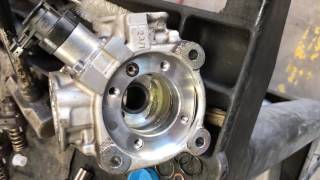
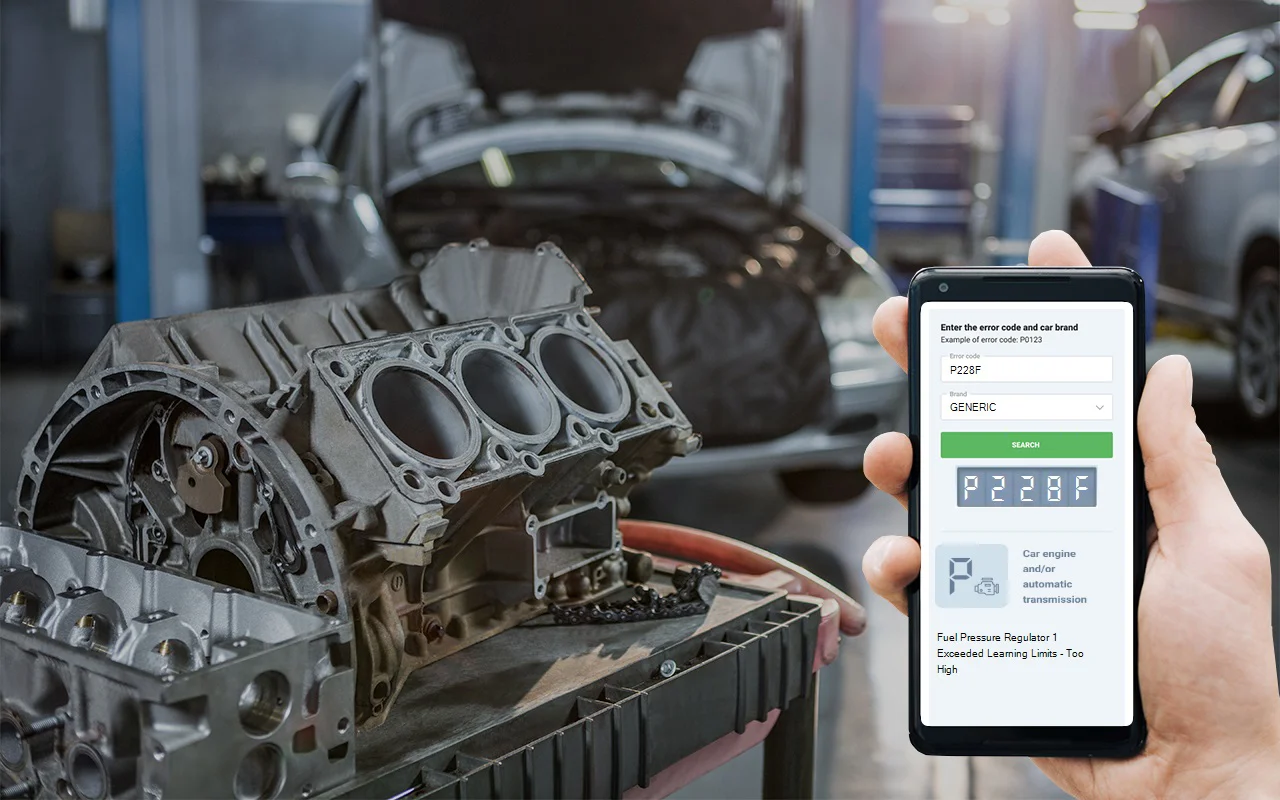
When you see a P228F code pop up, you’re dealing with a fuel system headache-specifically, fuel pressure that’s way higher than what your engine’s computer wants to see. In my experience, this usually means the computer (or PCM) is sounding the alarm because the pressure in the fuel rail has gone off the charts, well above factory specs. Your engine needs that pressure kept in a tight window to run right-too much, and you’re asking for trouble. I see this most often on Fords, and it usually comes down to a fuel pressure regulator, fuel pump, or the fuel pressure sensor itself acting up. Each brand has its own setup, but at the end of the day, the big issue is always the same: the control module senses the fuel pressure is just too high for comfort.
DTC P228F
 4827
4827 5 minutes of reading
Causes of P228F engine code
From experience, the most common reasons I see for a p228f code are:
- A faulty fuel pressure regulator that can't keep the pressure in check.
- A fuel pump that's pushing out too much pressure, either due to a malfunction or internal fault.
- A fuel pressure sensor that's sending incorrect readings to the computer, making it think the pressure is too high even if it's not.
- Less often, wiring issues or connector problems-like corrosion or loose pins-can mess with the sensor signals and trigger this code.
With Ford vehicles, these are the main suspects, but always check your specific model's details, as other brands might have slightly different root causes.
Symptoms of dtc P228F
When this code pops up, you’ll usually notice the check engine light is on. Sometimes, the car might run rough, hesitate, or even stall, especially under load or when accelerating. In some cases, you might smell fuel or notice poor fuel economy. But honestly, sometimes the only sign is that warning light-so it’s easy to overlook until things get worse.

Diagnosis using obd code P228F
Here’s how I tackle a p228f, step by step:
- First, I always start with a visual inspection. Pop the hood and look for any obvious signs of trouble around the fuel system-damaged wires, loose connectors, or signs of corrosion at the fuel pressure sensor or regulator.
- Next, I check the wiring harness and connectors for the fuel pressure sensor and regulator. Make sure nothing is broken, bent, pushed out, or corroded. It’s best to have someone help you wiggle the wires while you watch for changes in the readings.
- After that, I use a scan tool to read the actual fuel pressure values. Compare what the sensor is reporting to the factory specs. If the readings are way off, you might have a bad sensor or a real pressure problem.
- If the sensor checks out, I move on to the fuel pressure regulator. I’ll test it to see if it’s stuck or not responding properly. Sometimes tapping it lightly can reveal if it’s jammed.
- If the regulator seems fine, I’ll check the fuel pump output. Too much pressure from the pump can overwhelm the system, so I’ll use a mechanical gauge to double-check the readings.
- Don’t forget to check for any Technical Service Bulletins (TSBs) related to this code-sometimes there’s a known issue with a simple fix.
It’s important to go step by step and not just swap parts blindly. That’s a surefire way to waste time and money.
Common Mistakes when fixing P228F code
I’ve seen folks jump straight to replacing the fuel pump or regulator without checking the wiring or sensor first. That’s a common mistake and can get expensive fast. Another one is ignoring the connectors-sometimes it’s just a dirty or loose connection causing all the trouble. Skipping the basics and not comparing sensor readings to actual fuel pressure can lead you down the wrong path. Always start simple before moving to the big stuff.

How serious is a P228F
This isn’t something you want to ignore. High fuel pressure can cause engine performance issues, make your car hard to drive, and in the worst case, lead to fuel leaks or even engine damage. It’s a real safety risk-fuel under too much pressure is dangerous, and you don’t want to be stranded or risk a fire. Components that can be damaged if you keep driving like this include the fuel injectors, fuel lines, and even the catalytic converter if the engine starts running too rich. Don’t put this off for later-things can go south quickly if overlooked.
Repair and fix for P228F trouble code
Here’s what usually fixes a p228f, based on what I see in the shop and the official repair info:
- Replacing a faulty fuel pressure regulator if it’s not controlling pressure correctly.
- Swapping out a bad fuel pressure sensor if it’s giving false readings.
- Repairing or replacing damaged wiring or connectors at the sensor or regulator.
- If the fuel pump is the culprit and pushing out too much pressure, replacing the pump is the answer.
- Clearing the code and test-driving the vehicle to make sure the fix worked and the pressure stays within spec.
Always double-check your work and make sure the root cause is fixed before sending the car back on the road.
Conclusion
If you’re staring at a P228F code, don’t shrug it off. That’s your engine’s way of telling you the fuel pressure is running dangerously high. What I always recommend-start with the basics. Double-check those wires and connectors, compare the sensor readings to actual fuel pressure, and don’t rush into big repairs without confirming the cause. Remember, letting this issue linger can mean major repairs or even a fire risk. The best approach is a thorough, step-by-step diagnosis, fix what’s truly wrong, and confirm your repair with a solid test drive. Don’t gamble with high fuel pressure-it’s not worth it for your safety or your car’s future.