
P229E Causes and Common Triggers
From my time wrenching on these trucks, here’s what usually trips a p229e code:
- A failed NOx sensor module-specifically the second one, downstream of the SCR
- Wiring harness issues, like damage or corrosion leading to the NOx sensor
- Loose or poor electrical connections at the plug
- Connector pins that are bent, broken, or pushed out of position
Honestly, most of the time, it’s either the sensor going bad or the wiring getting roughed up-especially on rigs that see a lot of salt, mud, or off-road miles. Here’s a pro-tip from the garage: always inspect the wiring and connectors closely before you reach for a new sensor. You’d be surprised how many “bad sensors” are just wiring headaches in disguise.
Obd2 Code P229E Symptoms and Warning Signs
When p229e sets, you’ll almost always see the check engine light glaring at you. Sometimes, you’ll get specific emissions warnings or even a reduced power message. What I’ve often found is drivers don’t feel any change at first-truck runs like normal. But let it go too long, and the system will eventually protect itself by cutting engine power. If you see those warnings, don’t brush them off. Little problems have a way of turning into big ones if you ignore them, especially with modern emissions systems.

Obd Code P229E Diagnosis Process
Here’s how I approach p229e when one rolls into my bay:
- First, scan for other codes. Sometimes, a companion code tells the real story.
- Next, go after a thorough visual check of NOx sensor 2 and its harness. Look for chafed wires, melted insulation, corrosion-anything out of the ordinary. Don’t forget to peek at the connector pins; I’ve seen plenty bent or pushed out from careless disconnects.
- If you’ve got a helper, have them gently move the harness while you watch for trouble spots or intermittent connections.
- Then, pull live data from the sensor using a scan tool. If numbers are stuck or way off, that’s a big red flag.
- Unplugging the sensor and checking inside the connector for moisture or greenish corrosion can save you a lot of grief-clean it up, dry it out, snap it back together, and clear the code. Sometimes that’s all it takes.
- If the code returns, it’s time to break out the multimeter to check for continuity and shorts in the wiring. If the harness passes, you’re likely looking at a bad sensor module.
Don’t rush into parts swapping. A careful, methodical inspection up front can save you from chasing your tail or wasting money replacing good components.
P229E Code Common Mistakes to Avoid
A classic mistake I see too often: folks throw a new NOx sensor at the problem before even glancing at the wiring or connectors. Another common misstep is ignoring other related codes-sometimes the true culprit is hiding elsewhere in the system. Overlooking corrosion in the connector is another big one; it can cause all sorts of electrical headaches, especially in salty climates. Here’s my advice-don’t skip the basics. A few extra minutes spent on a careful inspection can save you a ton of frustration and expense.

P229E Engine Code Severity and Risks
Let me be blunt: this is a code you don’t want to ignore. Even if your truck seems fine now, letting p229e slide can snowball into much bigger issues. With the emissions system out of whack, you risk clogging your DPF or causing the SCR system to act up. Worst case? You’re looking at reduced power mode or even damage to pricey parts like the DPF or SCR catalyst. I’ve seen it happen. Save yourself a major headache-get it fixed before things go downhill.
DTC P229E Repair and Fix Recommendations
From what I’ve seen, and what the manuals back up, here’s how you tackle dtc p229e13 or sa 16 dtc p229e13 across different brands:
- Repair or replace any busted wiring or bad connectors going to NOx sensor 2
- Clean up and re-secure all electrical contacts
- If the harness is solid, swap out the NOx sensor module (it usually comes as a unit with its control electronics)
- Clear the code and take the truck for a test drive to make sure it’s fixed
Stick to the diagnostic process-don’t shotgun parts at the problem. I’ve seen this same story play out on Fords, Renaults, and more, sometimes under different code formats like dtc p229e13 or sa 16 dtc p229e13. Whatever the badge, the process is the same: start with the simple stuff, then move to the sensor if needed.



Conclusion
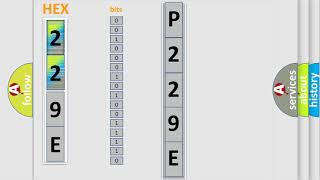
Here’s the bottom line: p229e means you’ve got a downstream NOx sensor circuit issue-a critical piece for keeping your diesel’s emissions in line. Don’t put it off, or you’ll risk even bigger problems. Start by checking wiring and connectors, and don’t jump to sensor replacement unless you’re sure. If you act quickly, you’ll keep your truck running smooth and save yourself from some costly repairs down the road.

 4226
4226 5 minutes of reading