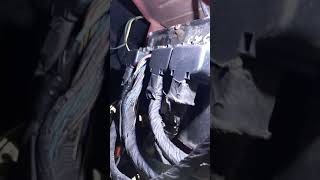
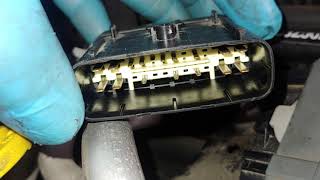
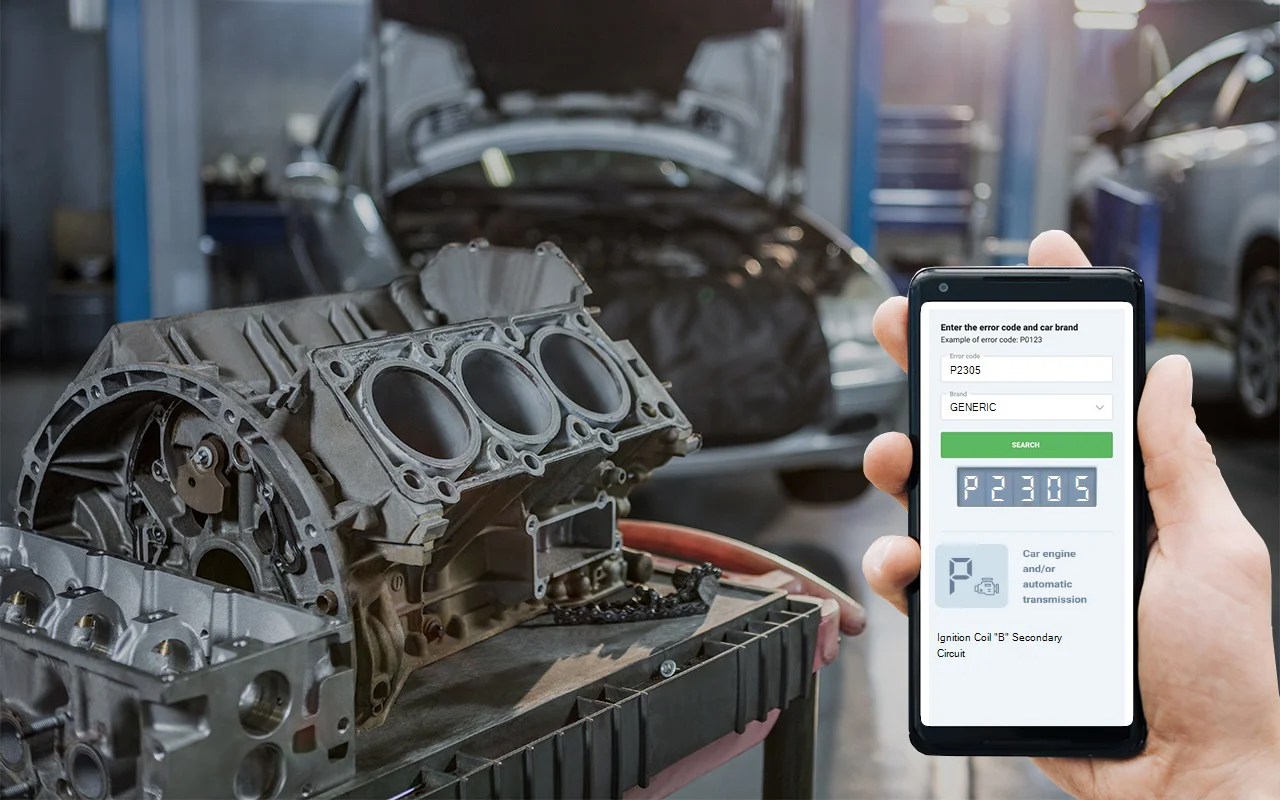
Let me break down what the P2305 code means for your vehicle. This code stands for “Ignition Coil ‘B’ Secondary Circuit.” In plain English, your car’s computer (the PCM) has noticed something off with the voltage in the secondary circuit of ignition coil ‘B’. Usually, ‘B’ refers to the ignition coil for cylinder number two, but it can vary depending on your car’s make and model. The secondary circuit is the part that actually fires the spark plug, so when there’s an issue here, it can mess with how your engine runs. The PCM keeps an eye on this circuit to make sure everything is working right, and if it sees something abnormal-like a voltage that’s too high or too low-it’ll trigger this code and turn on your check engine light. This system is crucial for making sure your engine gets the right spark at the right time, so it’s not something to ignore.
DTC P2305
 5767
5767 6 minutes of reading
Causes of P2305 engine code
From what I see most often in the shop, there are a handful of usual suspects when it comes to a p2305. Here’s what tends to trigger it:
- A faulty ignition coil-this is the part that actually generates the spark for the spark plug. If it’s gone bad, you’ll get this code.
- Worn-out spark plugs-old or damaged spark plugs can put extra strain on the ignition coil and cause voltage issues.
- Problems in the wiring or connectors-damaged wires, corroded terminals, or loose connections in the ignition coil circuit can easily set off this code.
- Every now and then, it’s a problem with the PCM itself, like outdated software or a rare internal fault.
In my experience, the coil or the wiring is the culprit more often than not, but it’s important to check everything to be sure.
Symptoms of obd code P2305
If you’re dealing with this code, here’s what you’ll probably notice behind the wheel:
- The check engine light will be on-sometimes that’s the only sign, but it’s your car’s way of telling you something’s not right.
- Engine misfires-this feels like the engine is stumbling or shaking, especially when you’re accelerating or idling.
- Poor engine performance-your car might feel sluggish, lack power, or hesitate when you step on the gas.
- Worse fuel economy-since the engine isn’t firing properly, you’ll likely notice you’re burning more gas than usual.
From experience, these symptoms can range from barely noticeable to pretty severe, depending on how bad the problem is.

Diagnosis steps for P2305 trouble code
Here’s how I usually tackle this issue step by step, and you can follow along if you’re comfortable with some basic checks:
- Start by checking the basics-make sure the ignition coil for cylinder ‘B’ (usually number two) is plugged in securely and that the connector isn’t loose or corroded. Sometimes just reseating the connector can clear things up.
- Inspect the wiring-look for any obvious signs of damage, like frayed wires, melted insulation, or green corrosion at the terminals. Give the harness a gentle wiggle while the engine is running and see if the misfire comes and goes.
- Swap the ignition coil-if you have access, swap the coil from cylinder ‘B’ with another cylinder. If the misfire or code moves to the new cylinder, you’ve found your bad coil.
- Check the spark plug-pull the plug from cylinder ‘B’ and see if it’s worn, fouled, or damaged. If it looks bad, replace it and see if that solves the issue.
- If everything above checks out, use a scan tool to monitor live data and see if there are any related codes or issues with the PCM. Sometimes a software update or deeper diagnosis is needed, but that’s less common.
It’s best to start with the simple stuff-connectors and plugs-before diving into more complex diagnostics. And if you’re not sure, it’s always a good idea to have someone with experience lend a hand.
Common mistakes when fixing dtc P2305
I’ve seen a few common pitfalls when folks try to fix this issue:
- Jumping straight to replacing the ignition coil without checking the wiring or the spark plug first-sometimes it’s just a loose connector or a bad plug.
- Overlooking corrosion or minor damage in the wiring harness-these little issues can cause big headaches if missed.
- Not swapping coils to confirm the fault-this simple step can save you from replacing the wrong part.
- Ignoring related codes-sometimes there’s more than one issue, and focusing only on P2305 can lead you down the wrong path.
My advice: take your time with the basics before spending money on new parts.

Seriousness of obd2 code P2305
This isn’t something you want to put off. A misfiring cylinder can cause raw fuel to enter the exhaust, which can quickly damage your catalytic converter-a very expensive part to replace. Plus, driving with a misfire can lead to rough running, poor fuel economy, and even leave you stranded if things get worse. Honestly, it’s dangerous to ignore this, especially if the engine is running rough. The risks just aren’t worth it-address it sooner rather than later to avoid bigger problems down the road.
Repair options for P2305 code
Here’s what usually fixes this code, based on what I see in the field and what the OEM procedures recommend:
- Replace the faulty ignition coil-if testing shows it’s bad, swap it out with a new OEM-quality part.
- Install new spark plugs-if the plugs are worn or fouled, a fresh set can make a world of difference.
- Repair or replace damaged wiring or connectors-fix any broken wires, clean up corrosion, and make sure all connections are tight.
- Update or reprogram the PCM-on rare occasions, a software update from the dealer is needed if there’s a known issue.
Most of the time, it’s the coil or the plug, but don’t skip the wiring check.
Conclusion
To sum it up, the P2305 code means your car’s computer has found a problem with the ignition coil ‘B’ secondary circuit-usually cylinder two. It’s a high-priority issue because it can cause misfires, poor performance, and expensive damage if ignored. Start with the simple checks-connectors, wiring, and spark plugs-before replacing parts. The most reliable fix is to confirm the fault, then replace the bad coil or plug and repair any wiring issues. Don’t wait on this one-getting it fixed promptly will save you money and headaches in the long run.