
Causes of P2306 trouble code
From what I've seen in the shop and what the official manuals say, the most common causes for a P2306 code are:
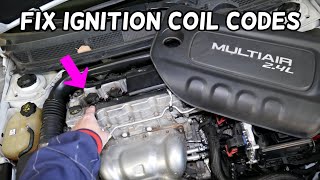
- A faulty ignition coil (either coil 'C' or coil 3, depending on your car)
- Damaged, broken, or shorted wiring going to that coil
- Poor electrical connections at the coil's connector-think loose, corroded, or bent pins
Most often the issue is with the coil itself or the wiring right at the connector. Sometimes, though, it's just a bad connection that needs a good cleaning or tightening. It's rare, but a problem with the engine computer (PCM) can also cause this, but that's usually after all the simpler stuff has been ruled out.
Symptoms of P2306
When this code pops up, you’ll usually notice a few things right away. The check engine light will come on-that’s your first clue. The engine might run rough, feel shaky, or even misfire, especially when you’re accelerating or idling. Sometimes you’ll notice a drop in power or the engine might hesitate. In some cases, you might even smell unburned fuel from the exhaust. If you ignore it, things can get worse quickly, so don’t brush it off.

Diagnosis using obd2 code P2306
Let me walk you through how I tackle a P2306 code when it lands on my workbench. I always kick things off with a good old-fashioned visual check-pop the hood and get your eyes on that ignition coil and its wiring. Look out for insulation that's cracked, wires that are frayed or broken, or connectors that seem loose or show signs of corrosion. A classic mistake I see is overlooking the pins inside the connector-bent or pushed-out pins can be the culprit and are easy to miss if you’re not thorough. I like to gently move the wiring around with the engine running; if the misfire comes and goes, you’re closing in on the problem. Here’s a pro-tip from the garage: if your engine lets you swap coils between cylinders, do it-see if the code follows the coil. That’s a rock-solid way to catch a bad coil in the act. If everything looks solid so far, I’ll grab a multimeter and check for voltage and ground at the connector. Not sure how to do this? Don’t be shy about asking someone with electrical know-how for backup. Only when I’ve crossed off all the basics do I start thinking about the PCM as the source, and honestly, that’s the needle in the haystack.
Common Mistakes when fixing dtc P2306
What I've often found is folks will jump straight to swapping out the ignition coil without even glancing at the wiring or connector. That’s a sure way to throw money at the problem without fixing it. Another thing I see too often-people skip the coil swap test. Swapping coils is a fast, almost foolproof way to know if the coil’s to blame. Don’t let excitement or frustration push you past the simple stuff: always check your connectors and wiring before thinking about the pricier parts like the PCM. Overlooking these basics leads to wasted time and cash, not to mention a whole lot of headaches.

Seriousness of P2306 engine code
Let me be straight with you-this code is nothing to ignore. Running your engine while it’s misfiring isn’t just rough on your ride; it can flood your exhaust with unburned fuel, and that spells disaster for your catalytic converter. And trust me, you don’t want to replace one of those unless you have to-they’re pricey. Besides that, your car could stall, lose power, or struggle to keep running, especially when you need it most. In my experience, letting this one slide can turn a quick repair into a wallet-busting fix down the line.
Repair steps for P2306 code
Here’s how I handle it when P2306 shows up. If the coil’s bad, swap it out with a quality replacement-don’t cheap out here, or you’ll be back in the shop soon. If you find damaged or crusty wiring or connectors, fix or replace them as needed. Sometimes a simple cleaning and tightening of the pins does the trick; other times, you might need to splice in a fresh wire or connector. Now, if the PCM turns out to be faulty (which is honestly pretty rare in my book), that’s a job for someone with the right tools and training, and it’s the last thing you should suspect. Always clear the code and take your car for a solid test drive before calling it a day. That’s how you know you nailed the fix.
Conclusion
Here’s the bottom line: P2306 means your ignition coil circuit isn’t doing its job, and that’s messing with one of your engine’s cylinders. Ignore it, and you could end up with a rough-running engine, damaged exhaust parts, and a much bigger bill. My advice? Start with a careful visual check of the coil, wiring, and connectors. Only dig deeper if those look good. Don’t wait-get this sorted out and you’ll save yourself time, money, and a whole lot of hassle down the road.
 5152
5152 6 minutes of reading