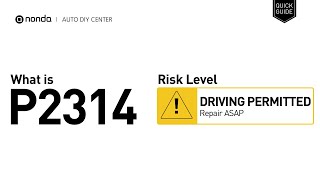
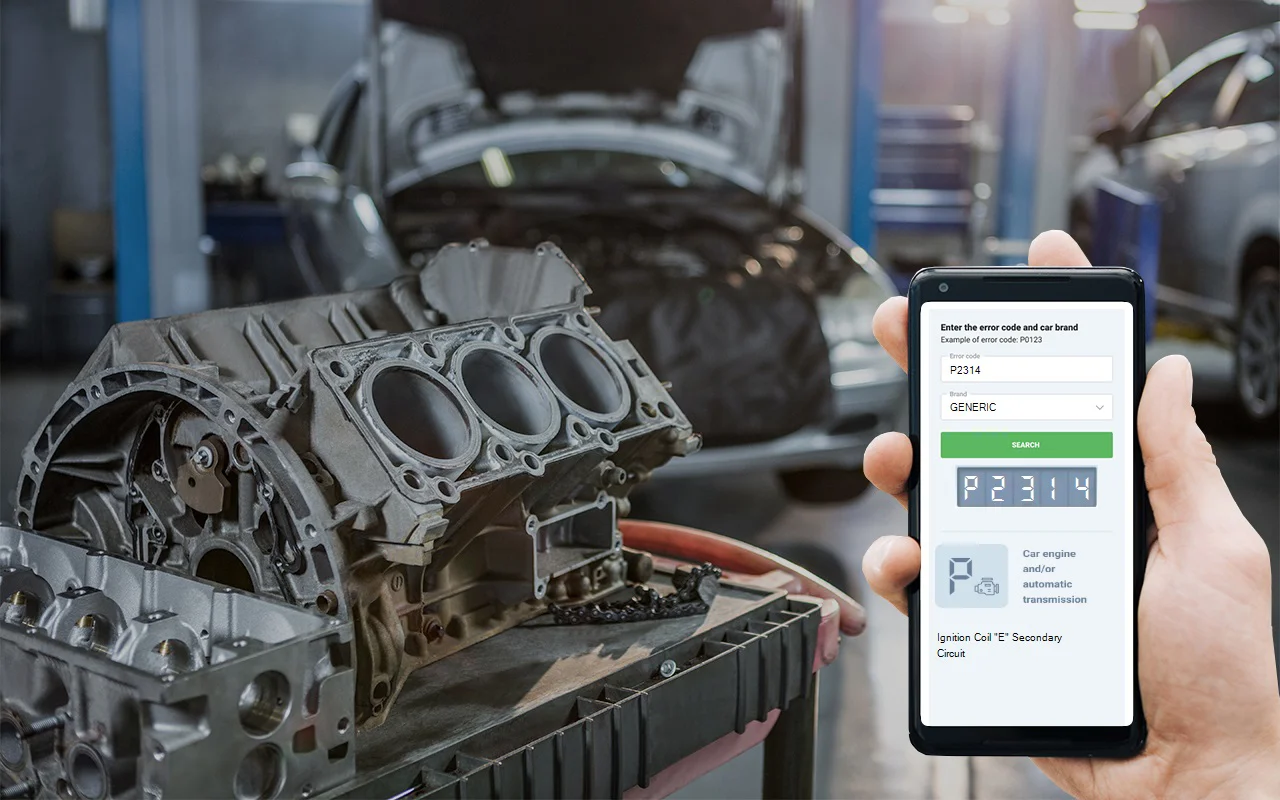
Let me break down what p2314 really means, from someone who's spent plenty of late nights tracing electrical gremlins. This code pops up when your car’s computer, officially the PCM, is struggling to control ignition coil ‘E’. In plain talk, we’re dealing with one specific coil that isn’t doing its job of zapping your spark plug with the voltage it needs to fire. That spark is what gets your fuel burning and your engine running right. If anything interrupts that process-be it a weak coil, poor wiring, or a bad plug-the PCM immediately senses the problem and flags p2314. Don’t brush this off. A healthy ignition system keeps your engine smooth, efficient, and as clean as it can be emissions-wise. If the computer can’t manage that coil, you’re likely to end up with a misfiring cylinder, which leads to all sorts of headaches: rough running, wasted fuel, and possibly more codes down the line.
DTC P2314
 4854
4854 6 minutes of reading
Causes of dtc P2314
From my time under the hood, the most common culprit for a p2314 code is a tired ignition coil. These guys take a beating over the years-especially in high-mileage vehicles. But don’t fall into the trap of blaming the coil right away. I’ve chased this code only to find a cracked spark plug or a spark plug wire that’s rubbed through on a bracket. Damaged wires, corroded connectors, or even a simple blown fuse can trip this code just as easily. And while it’s rare, I have seen a PCM go bad and cause all sorts of ghost problems. Here’s my quick-hit checklist when I see p2314 come in:
- Ignition coil ‘E’ that’s failed or on its way out
- Spark plug or plug wire that’s worn, damaged, or fouled
- Ignition circuit fuse that’s blown, or a relay on the fritz
- Wiring or connectors that are broken, shorted, or corroded
- PCM failure (not common, but it happens)
Symptoms of obd2 code P2314
When p2314 throws a wrench in the works, the symptoms are usually pretty obvious if you know what to look for. First thing you’ll spot is the check engine light glaring at you from the dash. Most folks notice the engine running rough-sometimes it’s a gentle stumble at idle, other times the whole car shakes when you hit the gas. You might even catch a whiff of raw fuel out the exhaust if the misfire is bad. Don’t be surprised if your fuel economy drops and the car loses some of its get-up-and-go. Here’s what you’re likely to run into:
- Check engine light stays on
- Engine feels rough or shaky, especially at idle or during acceleration
- Gas mileage goes down the drain
- Acceleration feels weak or sluggish
- Noticeable engine misfire-sometimes you can even hear or feel it

Diagnosis steps for obd code P2314
Here’s a pro-tip from the garage: diagnosing p2314 isn’t about swapping parts blindly. Start simple. I always check for other codes first-sometimes, the real story is hiding in a companion code. Then, I get my hands dirty and inspect ignition coil ‘E’ along with its wiring. I’m looking for anything out of the ordinary: cracked insulation, green corrosion, loose plugs, you name it. Next, I pull the spark plug and check its health-burned, oil-soaked, or worn plugs can set this code off too. If nothing jumps out, I like to swap coil ‘E’ with another cylinder’s coil. If the misfire moves, bingo-it’s the coil. Don’t forget to check fuses and relays; I’ve seen more than one tech scratch their head for hours over a blown fuse. When things get tricky, out comes the multimeter to measure voltage and ground at the coil. Not comfy with a meter? Don’t risk it-find someone who’s done this before. Here’s how I go about it step-by-step:
- Scan for any extra codes-sometimes there’s more to the story
- Take a close look at ignition coil ‘E’, the spark plug, and their wiring/connectors
- Test the fuses and relays in the ignition circuit
- Swap ignition coil ‘E’ with another cylinder to see if the problem follows
- Check the spark plug and wire for continuity and resistance
- Test for correct voltage and ground at the coil’s connector using a multimeter
- If every component checks out, consider the PCM as a last resort
Common Mistakes When Fixing P2314 code
A classic mistake I see is jumping straight to buying a new ignition coil without checking the basics first. I can’t tell you how many people have wasted cash on new coils when the real issue was a crusty spark plug or a loose wire. I’ve also watched folks overlook a blown fuse or relay, chasing their tails for hours. Corrosion at the connector is another easy one to miss-just a little green fuzz can throw the whole system off. And remember, not swapping coils to confirm a bad one can lead to replacing the wrong part. My best advice? Work your way up from the simplest fixes. Don’t assume the priciest part is always to blame.

Seriousness of the P2314 engine code
Let me be real with you-p2314 isn’t just a nuisance, it’s a warning you shouldn’t ignore. Driving around with a misfiring cylinder is a fast track to bigger, wallet-busting problems. Unburned fuel can cook your catalytic converter, and those aren’t cheap to replace. On top of that, you’re risking sluggish performance, poor gas mileage, and the possibility of getting stranded when you least expect it. Engine misfires can even be dangerous if you lose power while merging or crossing an intersection. Keep pushing your luck, and you might end up needing a new cat, engine work, or even a replacement PCM. Bottom line: don’t let this slide-get it checked and fixed quick.
Repair Solutions for P2314 trouble code
Most times, fixing p2314 is straightforward if you’ve done your homework. If coil ‘E’ is toast, swapping it out usually closes the case. If the spark plug or its wire is the troublemaker, replace them-easy win. Find a blown fuse or a flaky relay? Swap them out and see if you’re back in business. For wiring issues, patch or replace anything that’s broken or corroded. Only in rare cases have I seen the PCM itself be the root cause, but if you’ve ruled out everything else, reprogramming or replacing it might be needed. Here’s my go-to fix list:
- Replace the bad ignition coil ‘E’
- Swap spark plug and/or plug wire if needed
- Repair or replace any damaged wires or connectors
- Change out blown fuses or faulty relays
- Look at PCM repair or replacement, but only when all other options are exhausted
Conclusion
To wrap it up, p2314 means your car’s computer can’t get a handle on one of the ignition coils, and that’s a big deal for how your engine runs. This isn’t a back-burner issue-get to it right away. Nine times out of ten, it comes down to a bad coil, plug, or wiring, and catching it early saves you a bundle in repairs. Leave it too long, and you’re asking for bigger headaches. Your best bet? Start with the simple checks, confirm the faulty part, and swap it out. That’s how you keep your engine purring and your wallet happy.