
Causes of P2315 code
From my experience in the shop, the most common reasons for a p2315 code are pretty straightforward, but it's important to check each one carefully. Here’s what I usually see:
- A faulty ignition coil (the one labeled 'F' or number 6, depending on your car)
- Wiring problems-like a broken, shorted, or open wire in the coil's harness
- Poor electrical connections at the coil or in the harness connector (corrosion, loose pins, or bent terminals)
Most often, it's a bad coil or a wiring issue right at the connector. But don't rule out a problem further up the harness, especially if the car has seen some wear and tear or rodent activity. Each brand-Chrysler, Dodge, Ford, Jeep, Suzuki, Volkswagen-lists these same core causes, so the troubleshooting steps are pretty universal.
Symptoms of obd code P2315
When this code pops up, you’ll usually notice a few telltale signs. The most obvious is the check engine light coming on. From what drivers tell me, the engine might start running rough-like it’s misfiring or shaking, especially when you’re idling or accelerating. Sometimes you’ll feel a loss of power or hesitation. In some cases, you might even notice the engine is harder to start or it stalls unexpectedly. If you’re experiencing any of these, it’s a good bet that coil F (or coil 6) isn’t firing like it should.

Diagnosis process for P2315 trouble code
Here’s how I personally tackle a p2315 trouble code, step by step:
- First, I always start with a visual inspection. Pop the hood and look at the ignition coil in question-check for obvious damage, cracks, or signs of burning.
- Next, I inspect the wiring harness going to the coil. Look for frayed wires, broken insulation, or anything that looks out of place. Don’t forget to check the connector-sometimes pins get bent, corroded, or pushed out of place.
- If everything looks good, I’ll use a multimeter to check for continuity in the wiring between the coil and the engine control module. This helps spot any hidden breaks or shorts.
- Then, I’ll swap the suspect coil with another one (if your engine allows it). If the code moves to a different cylinder, you know the coil is bad. If it stays put, the problem is likely in the wiring or the connector.
- It’s best to have someone help you crank the engine while you check for spark or voltage at the coil connector. Just be careful-ignition systems can pack a punch!
Don’t forget to clear the code and see if it comes back after any repair or test. That’s a surefire way to confirm you’ve fixed the root cause.
Common mistakes made with P2315 engine code
Honestly, I see a lot of folks jump straight to replacing the ignition coil without checking the wiring or connector first. That’s a quick way to waste money if the real issue is a loose pin or corroded terminal. Another common slip-up is not swapping coils to confirm the fault follows the part. Skipping the basic visual inspection can also lead you down the wrong path-sometimes it’s just a simple broken wire or a dirty connector causing all the trouble.

Seriousness of dtc P2315
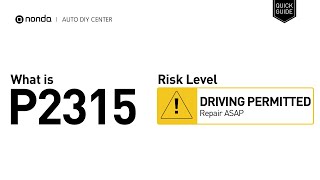
This isn’t something you want to ignore. A misfiring coil can cause raw fuel to enter the exhaust, which can damage your catalytic converter-a very expensive fix. Plus, driving with a misfire can lead to poor fuel economy, rough running, and even engine damage over time. In the worst case, you could end up stranded or cause an accident if the engine stalls at the wrong moment. Things can go south quickly if overlooked, so don’t put this off for later.
Repair solutions for P2315
Here’s what usually gets the job done, based on what I see in the field and what the official repair procedures recommend:
- Replace the faulty ignition coil (F or 6, depending on your vehicle)
- Repair or replace any damaged wiring in the coil’s harness
- Clean or repair the connector-make sure the pins are straight, clean, and making solid contact
- In rare cases, if the wiring and coil are good, further testing of the engine control module may be needed, but that’s not common
It’s best to start with the simple stuff-inspect, clean, and test-before buying new parts.

Conclusion
To sum it up, P2315 means your engine’s not getting the right signal to one of its ignition coils, and that can cause all sorts of running problems. It’s a moderate to high priority issue-you don’t want to risk further damage or unsafe driving conditions. The most reliable fix is a careful step-by-step diagnosis: start with the coil and wiring, swap parts to confirm, and only replace what’s truly faulty. Take care of it promptly, and you’ll avoid bigger headaches down the road.
 4884
4884 5 minutes of reading