
Causes of obd2 code P2316
From my time in the shop, I can tell you the usual suspects for a p2316 code show up again and again, no matter what badge is on the grill. Here’s what I see most often:
- Ignition coil failure-usually the one labeled ‘F’ or coil 6, depending on your setup
- Trouble in the wiring-anything from a broken wire to a short, or just a crusty connection right at the coil’s harness
- Pins in the coil connector that are corroded, bent, or pushed back so they’re not making solid contact
- Every so often, a glitchy engine control module (ECM) causing the trouble
If you ask me, it’s almost always the coil or its wiring at fault. I always recommend starting your detective work there before you start suspecting the computer or anything deeper in the system.
Symptoms of P2316 engine code
If p2316 is hanging out in your car’s system, chances are you’ll notice a few things pretty quick. The check engine light will light up-no surprise there-but what really gives it away is how the engine feels. I’ve had folks describe it as rough idling, misfiring, or even the whole car shaking when you give it a little gas. Sometimes you’ll get that laggy hesitation on acceleration, or just a general lack of power that makes driving a chore. And if you catch a whiff of unburned fuel from the tailpipe, that’s another classic sign. In my experience, these symptoms might not stick around constantly-they can come and go-but if you feel any of them, don’t ignore what your ignition is trying to tell you.

Diagnosis and troubleshooting for P2316
Let me walk you through how I chase down a p2316 code, step by step, just like I would if you rolled your car into my bay:
- First off, I clear the code and see if it comes back. If it pops up again immediately, that’s a clue the fault’s still there and not a fluke.
- Next, I dive under the hood and give the ignition coil and its wiring a good look. Cracked insulation, loose connections, or signs of corrosion-those are red flags. And don’t skip checking for bent or pushed-out pins in the connector; those can sneak by even seasoned techs.
- If nothing stands out, I’ll unplug the coil and break out my multimeter. I’m checking for continuity and resistance in the wiring. Having a buddy to help hold the leads can make this part a lot less frustrating.
- Still no luck? I’ll swap the suspect coil with another one, if the engine design allows. If the code follows the coil to its new location, bingo-you’ve found the problem part.
- If the code stays put, I dig deeper and check the control signal from the ECM to the coil using a test light or an oscilloscope. That tells me if the computer’s sending the right message.
Here’s a pro tip: always start with the basics-the wiring and connectors-before getting buried in more advanced tests. And before you unplug anything, disconnect the battery. Trust me, you don’t want a surprise spark or a fried module on your hands.
Common mistakes when fixing P2316 code
A classic mistake I see time and again is folks throwing a brand new ignition coil at the problem before even glancing at the wiring or connectors. Sometimes, all that’s wrong is a loose pin or a bit of green corrosion gumming up the works. Another thing people skip is swapping coils to see if the problem moves-this simple trick can save you a lot of head scratching and wasted cash. And don’t forget: broken wires like to hide under harness wraps. Always slow down and give everything a close look before you start spending money or swapping out parts you might not need.

How serious is dtc P2316
Let me put it straight: you don’t want to ignore this one. A coil that’s misfiring can dump raw fuel into the exhaust, and that’s a surefire way to wreck your catalytic converter-one of the most expensive parts you’ll ever have to replace. On top of that, running with a misfire can leave you stranded or even do real damage to the engine over time. If you notice the car running rough or losing power, don’t wait around. I’ve seen minor issues turn into major headaches fast when folks ignore p2316.
How to repair obd code P2316
Here’s what fixes p2316 in most cases, based on what I see at the shop:
- Replacing the faulty ignition coil-hands down, this is the most common fix
- Repairing or swapping out damaged wires or connectors right at the coil
- Cleaning up and tightening any electrical connections that look suspect
- Once in a blue moon, you’ll need to repair or replace the ECM if it’s not sending the coil a proper signal
My advice? Tackle the coil and wiring first, since those are usually the root of the problem. Make sure everything’s clean, snug, and corrosion-free before you even think about replacing pricier components.

Conclusion
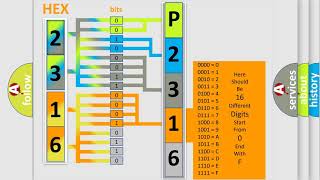
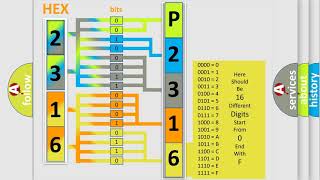
To wrap it up, p2316 means your vehicle’s computer has found something fishy with the ignition coil control circuit-typically high voltage where it doesn’t belong. This isn’t something to put on your ‘fix it later’ list. It can quickly lead to misfires, lousy performance, and some seriously expensive repairs if you ignore it. I always recommend starting with a thorough check of the coil and wiring, swapping components where you can, and only pointing fingers at the computer if all else checks out. The sooner you jump on this, the better your odds of keeping your car happy and avoiding a wallet-busting repair bill down the road.

 5941
5941 6 minutes of reading