Causes of P2317
From experience, the most common things I see causing a p2317 are:
- Faulty spark plug wire (if your car uses wires)
- Blown fuse or a bad relay in the ignition circuit
- Wiring that’s open, shorted, or has a bad connection going to ignition coil ‘F’
- A bad ignition coil itself
- In rare cases, a problem with the PCM (the car’s computer)
Most often the issue is with the coil or the wiring, but I always check the simple stuff first.
Symptoms of P2317 Trouble Code
When this code pops up, you’ll probably notice a few things right away. The check engine light will come on, and you might feel the engine running rough or shaking - that’s misfiring. You could also notice the car feels sluggish, doesn’t accelerate like it used to, or your fuel economy drops. Sometimes, it’s just the light, but usually, you’ll feel the difference when you drive.
Common Mistakes When Fixing P2317 Engine Code
A classic mistake I see is folks jumping to replace the ignition coil before checking the wiring or spark plug wires. Another one? Overlooking a simple blown fuse or a failing relay-quick checks that get skipped way too often. And don’t forget corrosion or a loose connector at the coil; it’s easy to miss, but I’ve seen it trip up even experienced techs. If you don’t check these, you could end up wasting money and time swapping out good parts.

Repair Steps for OBD Code P2317
When I get a p2317 in the shop, here’s my go-to repair checklist:
- Swap out any spark plug wires that are damaged (if your setup uses them)
- Fix or replace any wiring in the ignition coil ‘F’ circuit that’s open, shorted, or corroded
- Replace a bad ignition coil
- Change out blown fuses or failing relays-but always dig in and figure out what caused them to fail in the first place
- If you’ve ruled out everything else and it’s still acting up, check the PCM and replace it only if you’re sure it’s at fault (this is rare, but it happens)
Clear the code, take it for a test drive, and see if it comes back. That’s how you know you’ve nailed the fix.
Conclusion
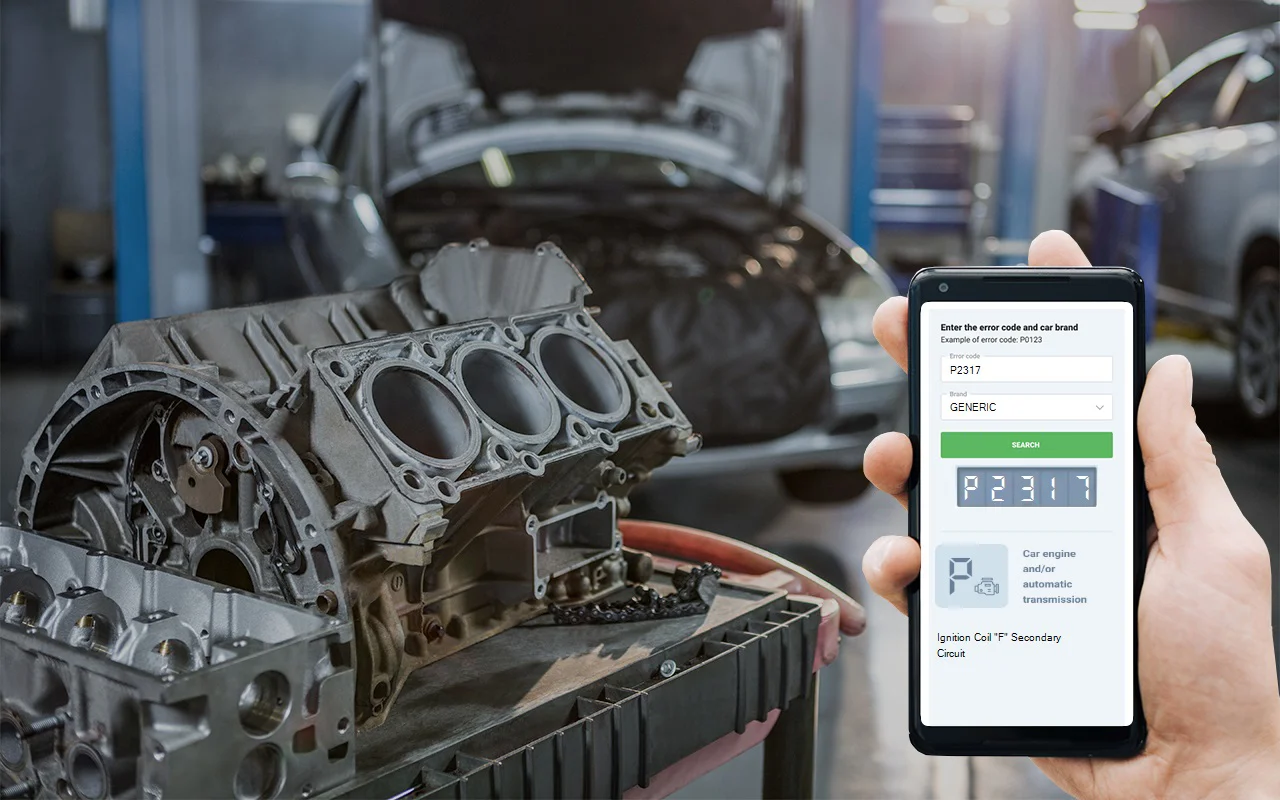
So, here’s the takeaway: P2317 is your engine’s way of telling you it’s not firing on all cylinders because of a problem in the ignition coil ‘F’ secondary circuit. Don’t ignore it-this is something you want to tackle head-on. Start with the easy stuff like wiring, fuses, and connectors before you go swapping coils. Nine times out of ten, if you work through it step by step, you’ll sort it out without too much hassle. Jump on it early and you’ll avoid bigger headaches down the road-and keep your ride running as it should.
Video for "Error p2317" on YouTube
The following error codes are often searched for

 5235
5235 5 minutes of reading