
Common Causes of dtc P2321
From my time in the shop, the usual suspects behind a P2321 code aren’t exactly a mystery. Nine times out of ten, it’s a worn-out ignition coil-these things do wear down with age and heat. But don’t overlook the wiring harness; I’ve seen plenty of issues where the wires to that coil get frayed, broken, or shorted. Loose or corroded connectors are another classic culprit. Once in a blue moon, you’ll run into a deeper electrical gremlin in the wiring or even a glitchy engine control module, but that’s pretty rare. Here’s my go-to checklist when I’m chasing down this code:
- A bad ignition coil 'H' (or coil 8, depending on your vehicle)
- Wiring harness to the coil that’s open, shorted, or just plain damaged
- Crummy connection at the coil’s connector-think loose, gunked up, or not clicking in right
- Bent, corroded, or recessed pins at the connector
Recognizing Symptoms of P2321 engine code
Here’s what you’ll usually notice if P2321 is lurking under the hood. The check engine light flips on-that’s your first hint. Then, the engine might start running rough, stumble when you hit the gas, or misfire outright. You might feel the car shake at idle or just not pull like it used to. If things get really ugly, starting the engine can turn into a struggle. Sometimes these issues come and go, which can trick folks into ignoring them, but let me tell you: putting this off is asking for bigger headaches down the road.

Effective Diagnosis Steps for obd code P2321
When I’m tracking down a P2321, I always start simple. First things first-open the hood and do a good visual check of the ignition coil and its wiring. Look for cracked insulation, busted wires, or connectors that look like they’ve seen better days. Don’t skip those connector pins; even a touch of green corrosion can ruin your day. Here’s a pro-tip from the garage: have a buddy crank the engine while you gently wiggle the wires. If the engine sputters or the check engine light blinks, you just found your trouble spot. Next, I like to swap the suspect coil with another cylinder (if the design allows) and see if the problem moves. If it does, that’s your bad coil right there. If not, time to focus on the wiring or connector. For a deeper dive, I’ll grab the multimeter and check for continuity and proper voltage at the coil connector. Only if everything else checks out do I start looking at the engine control module, but honestly, that’s pretty rare in the real world.
Avoiding Common Mistakes with the P2321 code
A classic mistake I see? Folks jump straight to replacing the ignition coil before checking the wiring or connectors. That’s how you end up wasting cash on parts you didn’t need. Another one: forgetting to swap coils to see if the code follows. This one simple step can save you hours of frustration. And don’t skip resetting the code and taking the car for a spin after repairs. If the code comes back, you’ve got more digging to do. Cutting corners here will only bring you back to square one.

The Seriousness of P2321 Issues
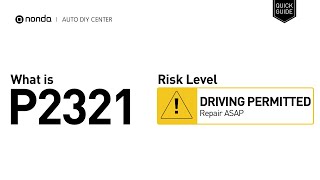
Let me be blunt-this is not a code you want to ignore. A misfiring coil means raw fuel can hit your exhaust, and that’s a fast track to frying your catalytic converter. Those don’t come cheap. You’ll also deal with rough running, lousy fuel mileage, and the very real risk of getting stranded if things go south. If your engine’s running rough or losing power, don’t wait. In my experience, these issues only get worse (and more expensive) the longer you put them off.
Repair Solutions for obd2 code P2321
Most of the time, the fix is pretty straightforward. Here’s what usually gets things back on track:
- Swap out the faulty ignition coil (coil 'H' or coil 8, depending on your ride)
- Fix or replace any busted or corroded wiring or connectors to the coil
- Clean up every electrical connection, double-check for bent pins, and make sure everything clicks together tight
- If you’ve done all this and the issue’s still there, it might be time to look at the engine control module-but honestly, that’s a rare case in my book
Don’t forget: once you’ve made the fix, clear the code and take the car for a solid test drive. That’s the only way to know for sure you’ve nailed it.

Conclusion
Bottom line? P2321 means your car’s computer isn’t getting the right signal from one of your ignition coils, and that’s a serious deal for your engine’s performance. Start with a thorough inspection of the coil and wiring-nine times out of ten, the fault’s right there. Don’t drag your feet on this repair, because waiting can turn a simple job into a costly mess. The best way to handle it: replace the bad coil or repair the wiring, clear the code, then test drive to confirm you’ve fixed it. That’s how you keep your engine running strong and your wallet happy.
 4615
4615 6 minutes of reading