
Causes of High Voltage in Ignition Coil obd code P2322
From my years wrenching on cars, here are the top culprits behind a P2322 code:
- The ignition coil itself giving up the ghost-internal failure in the coil is a classic cause of that high voltage reading.
- Wiring issues are right up there-think broken wires, shorts, or even chafed insulation in the harness running to the coil.
- Bad electrical connections-could be corrosion, loose pins, or connectors that just aren’t making solid contact anymore.
I can’t tell you how many times I’ve pulled a connector to find a pin bent or half-pushed out, especially on older rides or cars that’ve seen tough weather. Don’t just assume the coil’s bad-always give those basics a good look before you start swapping parts.
Symptoms Associated with P2322 engine code
When P2322 kicks in, here’s what you’ll likely run into:
- The check engine light will pop on-sometimes that’s your only clue at first.
- The engine may start to run rough, misfire, or stumble, usually more noticeable at idle or when you put the engine under load.
- You could notice sluggish acceleration, hesitation, or maybe the engine’s just tougher to start.
In my shop, I’ve seen these symptoms start out barely noticeable-sometimes the car just feels a little “off”-but things can go downhill quick if the coil totally fails.

Diagnosis Steps for dtc P2322
This is the routine I follow when chasing down a P2322:
- First thing, pop the hood and take a close look at the ignition coil in question-whether that’s coil 'H' or '8' depends on your vehicle. Get a bright light, and maybe a mirror, and really inspect the harness and connectors. Look for damaged wires, corrosion on the pins, busted clips, or anything that just doesn’t look right.
- Gently tug and wiggle the wires and connector-sometimes you’ll find a connection that feels loose, or spot that telltale green corrosion. That’s a trouble spot.
- If the outside looks good, I’ll usually unplug the coil and inspect the connector pins. Make sure none are bent, missing, or pushed back out of the connector.
- If you’ve got a multimeter handy, check for continuity on the wiring between the coil and engine computer. You want to rule out open circuits or a wire shorting to power or ground where it shouldn’t.
- If the wiring checks out, here’s a trick: swap the suspect coil with one from another cylinder (assuming your engine lets you). If the code follows the coil, that’s your problem right there-the coil’s bad. If the code stays put, you’re probably looking at a wiring or ECM issue, but nine times out of ten, it’s the coil or the connector at fault.
After repairs, don’t forget to clear the code and take it for a spin to make sure the fix sticks.
Common Mistakes When Fixing obd2 code P2322
I see a lot of folks run into the same pitfalls with this code:
- Going straight for a new ignition coil without checking the wiring or connectors first-a lot of the time, it’s just a bad connection or corrosion causing all the trouble.
- Missing damaged wires hidden under the harness tape or just out of sight-always peel back the wrap and do a thorough check nearby the coil.
- Skipping the coil swap step before buying new parts-just swapping coils can save you cash and a lot of guesswork.
Slow down, double-check the basics, and don’t waste money chasing ghosts. Sometimes it really is the simple stuff.

Seriousness of Ignoring the P2322 code
This isn’t one you want to let slide. A busted coil or bad wiring can cause misfires, and that unburned fuel ends up right in your exhaust. You keep running it like that, you’ll torch your catalytic converter-ask me how many times I’ve seen that, and it’s not a cheap fix. On top of that, an engine that’s stumbling or losing power is a safety risk. Bottom line: the longer you ignore this code, the bigger (and costlier) your problems get. Don’t put it off.
Repair Solutions for P2322
Here’s what gets results for a P2322, based on what I see in the shop and what the manuals say:
- Repair or replace any busted wiring or loose connectors at the coil in question.
- If you spot corrosion or anything loose, clean the contacts and make sure everything’s tight and solid.
- If you’ve confirmed the coil is bad (usually after swapping and testing), go ahead and replace it.
- On the rare occasion the wiring and coil both check out, you might be looking at an issue with the ECM, but that’s way less common.
Always clear the code and take the car out for a proper drive to make sure the fix did the trick.

Conclusion
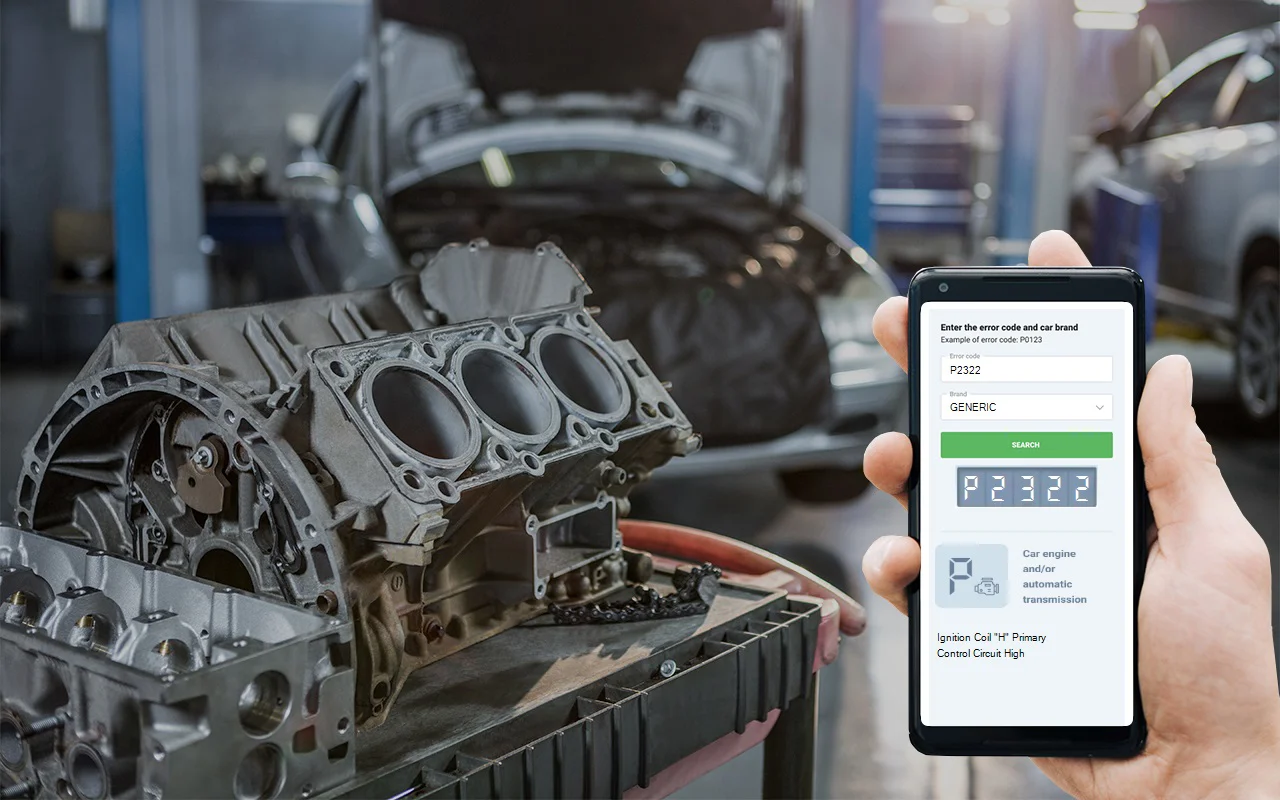
So, here’s the upshot: P2322 means your computer’s catching a high voltage issue on the control side of one of your ignition coils. Usually it comes down to a bad coil or a wiring gremlin, and it’ll cause misfires or rough running if you leave it. Don’t drag your feet-sort it out quickly and you’ll dodge bigger headaches, like a cooked catalytic converter. The most reliable fix? Start with a sharp inspection, check the wiring and connections, and only swap the coil if you know it’s the problem. That’s how you keep your engine running right and keep your wallet happy, too.
 4964
4964 6 minutes of reading