
Causes of P2336 code
From my time under the hood, the main culprits behind a p2336 are usually pretty consistent:
- Knock sensors that have simply given up-these little guys take a beating and do wear out.
- Crusty or loose electrical connections at the sensor plug. I can’t tell you how many times a little green corrosion was the real enemy.
- Wiring that’s been pinched, rubbed through, or chewed by rodents. Sometimes the fault is hiding under the tape or loom where you’d never expect it.
- And while I’ve seen a handful of cases where the ECM itself was to blame, that’s a rare bird-don’t make it your first stop.
Ford and Jaguar both list these as the usual suspects, so no surprises there.
Symptoms of P2336 engine code
When this code rears its head, here’s what usually tips folks off:
- The check engine light flips on. Sometimes that’s all you get-no drama, just that little orange light glaring at you.
- Loss of power or a car that feels sluggish, especially if the ECM is pulling timing to save itself from the knock.
- A metallic ping or rattle under load-though honestly, most folks miss this noise unless it gets real pronounced.
Bottom line: don’t shrug this off just because your vehicle still runs. That can turn into a wallet-busting mistake.

Diagnosis with obd2 code P2336
Here’s my playbook when I’m chasing down a P2336:
- Start with your eyes and hands: pop the hood, check the sensor’s wiring and connector for broken pins, corrosion, or anything that looks out of place. Sometimes a gentle tug or wiggle reveals a sneaky, intermittent fault.
- Next up, clear the code with your scan tool and see if it comes roaring right back. If it does, you’re looking at a persistent issue.
- If everything looks good visually, I’ll grab my multimeter and measure the knock sensor itself, following the specs from the service manual. If you find an open or short, you’ve found your culprit.
- If the sensor tests fine, move down the harness-check continuity and look for shorts between the sensor and the ECM. A second set of hands really helps here, especially for back-probing both ends.
- Only after all that legwork do I even start to suspect the ECM. Unless you’ve had a flood or electrical meltdown, it’s rarely the problem.
Here’s a pro-tip from the garage: always check for Technical Service Bulletins. Sometimes the factory already knows about the issue and has a fix or an updated part that’ll save you hours.
Common Mistakes with obd code P2336
A classic mistake I see: folks throw a new knock sensor at it before checking the basics. Don’t do it-if your wiring or connector is crusty or loose, you’ll just be swapping parts and draining your wallet for nothing. Another misstep? Overlooking the wiring harness. Sometimes the problem hides under the insulation or in a tight spot you can’t see. And don’t forget to check for TSBs-ignoring manufacturer updates can mean missing an easy fix. Always work through the fundamentals before you start replacing components.

Seriousness of P2336 trouble code
Take it from me-this isn’t a code to push aside. Letting a P2336 ride can chew up pistons, score cylinder walls, and even torch your catalytic converter if things go sideways. I’ve seen engines with holes melted right through the pistons because the knock was ignored for too long. So, if you want to avoid catastrophic engine damage (and a massive repair bill), get on top of this one right away. Pistons, valves, and the catalytic converter are all on the line here.
Repair advice for P2336
Here’s what usually gets the job done, based on what I’ve seen work time and again:
- Fix or replace any busted wiring or dodgy connectors on the knock sensor circuit.
- If the knock sensor fails your resistance or output checks, swap it out for a new one.
- Sometimes, just cleaning up corroded pins at the connector solves the whole mess.
- If, after all that, the ECM is the only thing left standing, then replacement and reprogramming may be in order-but that’s a last resort in my book.
Don’t forget: after the repair, clear the code and take it for a solid test drive. Make sure that light stays off before you call the job done.




Conclusion
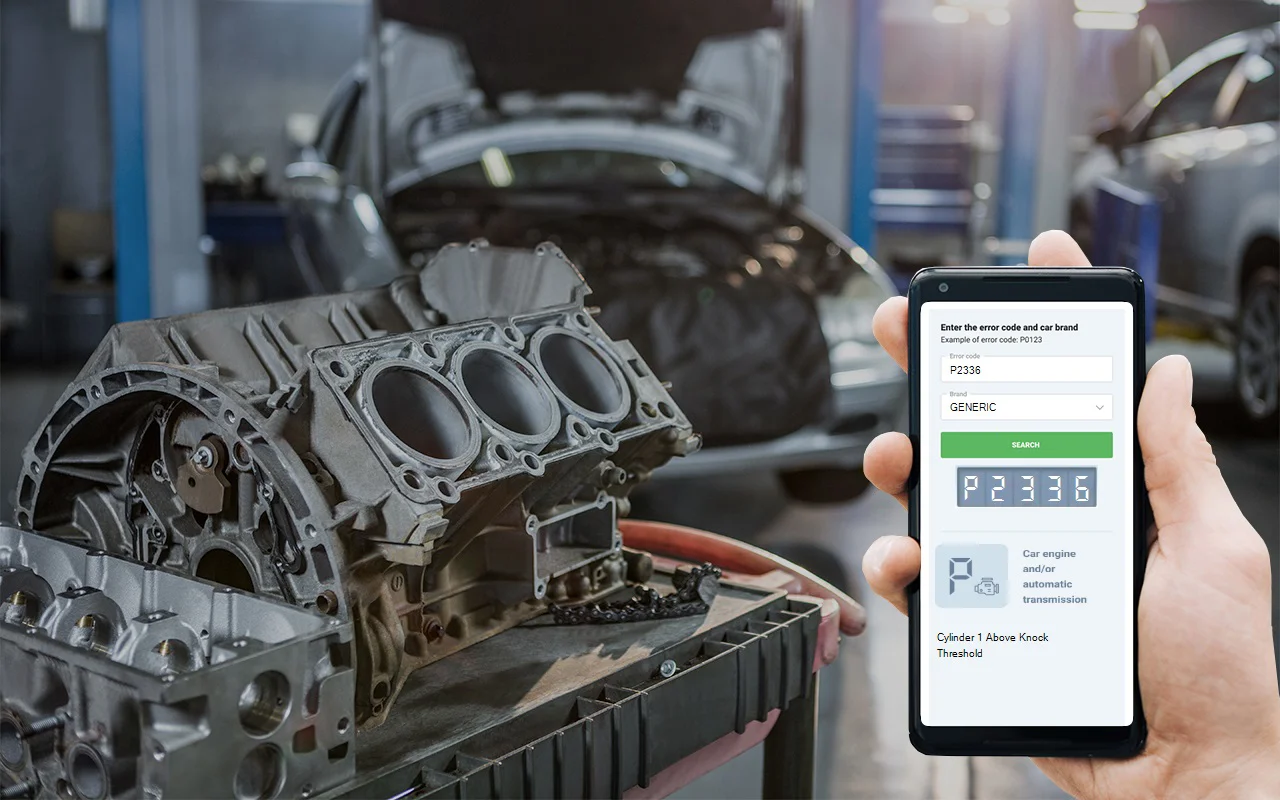
To wrap it up, when you see a P2336, your knock sensor is telling the ECM there’s way too much knock in cylinder 1-and your engine’s trying to save itself. This isn’t a warning you want to ignore. Start with a thorough look at the wiring and sensor, and don’t skip the simple stuff. In most cases, if you follow a smart, step-by-step approach, the fix is right there. Move fast and you’ll dodge some serious headaches-and bigger repairs-down the line.
 5859
5859 5 minutes of reading