Causes of P2401 trouble code
From my time under the hood, here’s what usually sets off a P2401 code:
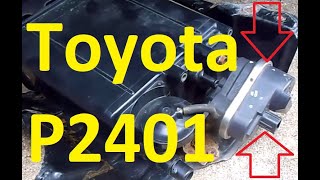
- The leak detection pump itself has failed-if it can’t pull a vacuum, the computer throws the code every time.
- Vapor lines with cracks or loose ends-these hoses carry fuel vapor, and any tiny split or loose clamp means the system can’t hold a vacuum, so the pump can’t work right.
- Wiring issues-sometimes, you’re just looking at a broken wire or a crusty connection to the pump. It’s more common than you might think, especially on older cars or those exposed to road salt.
- Every now and then, the PCM (your car’s main computer) is the culprit, but in all my years, that’s pretty rare. I wouldn’t start there.
In most cases, the trouble is either with the pump or the wiring. That’s always where I start poking around-especially on Toyotas and Fords, where P2401 seems to show up more than folks would like.
Symptoms of dtc P2401
Honestly, when P2401 sets, you might not notice much out of the ordinary. Typically, the check engine light is the first and sometimes only warning. Occasionally, you’ll catch a faint fuel smell, especially after the car’s been parked a while. If you’re unlucky, you’ll find out about the problem at your next emissions test. Other than that, the car usually runs just fine-no stalling, no rough idle. If you’re driving a Toyota Corolla 2010 and you’ve got dtc p2401, don’t expect major driveability issues beyond that nagging warning light.


Common mistakes when troubleshooting P2401 code
A classic mistake I see is folks swapping out the leak detection pump right off the bat without even glancing at the wiring or connectors. That’s an expensive way to chase your tail. Another thing that trips people up: missing a tiny split in a vapor line or a connector that’s just a hair loose. Don’t overlook the obvious-most of the time, a detailed visual check will save you headaches and cash. And don’t forget to scan for other codes; sometimes, the real issue starts long before the pump ever gets involved.

Repair options for P2401
Once I’ve tracked down the cause, here’s how I usually tackle a P2401:
- If the leak detection pump’s dead, I install a new OEM pump-aftermarket ones can be hit or miss, and I don’t like comebacks.
- Any vapor lines with cracks or leaks get replaced or repaired, and I double-check every hose clamp and connector before calling it done.
- Wiring issues? I fix or replace broken wires, clean up any corroded connectors, and if the harness is toast, I’ll swap it out.
- If, by some rare chance, the PCM is the problem, it might need to be reprogrammed or replaced-but that’s a last resort after everything else checks out.
Once the repairs are finished, I always clear the code and run a full EVAP system test to make sure the fix sticks. No shortcuts-trust me, it pays off in the long run.
Conclusion
Bottom line: P2401 points to your EVAP system failing its self-check because the leak detection pump isn’t coming to life. Most of the time, the root cause is a bad pump, wiring headaches, or leaking vapor lines. While you probably won’t notice any drivability problems, letting it slide can set you up for bigger headaches down the road, especially with flammable vapors in the mix. Start with a careful inspection of the pump, harness, and hoses-don’t skip the basics. The surest way to fix it is to find what’s actually broken, repair it right, and confirm everything’s working before you hit the road. That’s the kind of peace of mind you want behind the wheel.
Video for "Error p2401" on YouTube
The following error codes are often searched for

 4145
4145 6 minutes of reading