
Causes and dtc P240A
From experience, the most common reasons I see for a P240A code are:
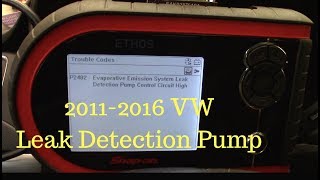
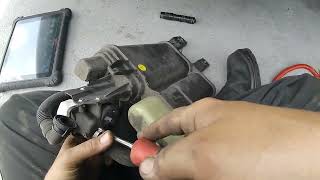
- A faulty leak detection pump-this is the part that actually checks for leaks in the EVAP system.
- Wiring issues-like a broken, corroded, or shorted wire in the harness going to the leak detection pump.
- Poor electrical connections-sometimes the connector at the pump gets loose, dirty, or corroded.
- Less often, the problem can be with the ECM itself, but that’s pretty rare in my experience.
On brands such as BMW or others, it’s usually the pump or the wiring that’s at fault. Other brands might have slightly different setups, but the core issue is almost always in the pump circuit or its connections.
Symptoms and P240A
When this code pops up, here’s what drivers usually notice:
- The check engine light comes on and stays on.
- Most of the time, you won’t feel any difference in how the car drives-no rough running, no stalling, nothing obvious.
- In rare cases, you might notice a slight fuel smell if there’s an actual leak, but with P240A, it’s usually just the warning light.
It’s easy to ignore since the car seems to run fine, but that light is your car’s way of telling you something’s not right behind the scenes.

Diagnosis and obd2 code P240A
When I’m chasing down a P240A code, here’s how I attack it:
- I always start by scanning for any other codes. Sometimes, P240A is just the tip of the iceberg-other EVAP codes can point you in the right direction.
- Next, I give the leak detection pump and its wiring a good once-over. I’m looking for obvious stuff: busted wires, corroded connectors, loose plugs, or anything that just looks off. A trick I use is to have a buddy wiggle the harness while I watch for the pump flickering or clicking on and off-sometimes that’s all it takes to spot a dodgy connection.
- Pulling the pump connector, I check for green corrosion, bent pins, or any sign water’s gotten in there. Water intrusion can really mess with these circuits.
- If things look clean, out comes the multimeter. I’ll check for power and ground at the pump connector. If either one’s missing, you might be chasing a wiring or fuse issue farther up the line.
- If power and ground are solid, I move on to resistance checks for the pump’s heater circuit. An open circuit (infinite resistance) or a dead short (almost zero resistance) usually means the pump’s toast and needs swapping.
- Only after I’ve ruled out everything else do I get suspicious about the ECM. Honestly, I can count on one hand the number of times I’ve actually found a bad computer causing this. Don’t jump there too fast.
Don’t skip steps. Most of the time, it’s something simple-a bad wire, a dirty connector, or a fuse you overlooked. That’s where the real fixes happen.
Common Mistakes and P240A engine code
I’ve seen a few common missteps when folks try to fix this code:
- Jumping straight to replacing the leak detection pump without checking the wiring or connectors first. That’s a surefire way to waste money.
- Overlooking corrosion or water damage in the connector-sometimes it’s just a bit of green gunk causing all the trouble.
- Not checking for blown fuses or related codes that could point to a bigger electrical issue.
- Assuming the ECM is bad without ruling out everything else. ECM failures are rare and expensive, so don’t go there unless you’re absolutely sure.
Take your time and check everything step by step-it’ll save you headaches in the long run.

Seriousness and P240A code
I’ll be straight with you: ignoring a P240A code is a bad move. While your car might not leave you stuck on the shoulder, you’re dealing with a critical part of the emissions system. If the leak detection pump isn’t doing its job, your car could be letting fuel vapors escape-bad for the environment, and in the worst case, a real safety risk if there’s an actual leak. Letting it slide can snowball into bigger headaches, like damaging the charcoal canister or vent valves. Fail an emissions test? You’re not driving anywhere until it’s fixed. My advice? Get on top of it right away; waiting only makes things worse.
Repair and P240A trouble code
When it comes time to fix a P240A, here’s my usual playbook, depending on what diagnosis turns up:
- If the leak detection pump itself is shot, I swap it out for a fresh OEM unit-no point in cheaping out here.
- With damaged wiring, I cut out the bad section and splice in new wire, sealing everything with heat-shrink and using weatherproof connectors. No bare wires or electrical tape hacks-do it right the first time.
- If the connector’s corroded or loose, I’ll clean it with contact cleaner or replace it if it’s too far gone.
- Blown fuse? Sure, I replace it, but I always hunt down why it blew in the first place. If you don’t, you’ll just be back in the same spot again soon.
- Very rarely, if the ECM is the culprit, that’s a job for a pro with the right diagnostic tools. Only go down that road after you’ve checked everything else-trust me on that.
After repairs, I always clear the code and force a system self-test. Everything’s got to check out before I call it done.


Conclusion
So here’s the bottom line: if you’ve got a P240A code, your EVAP system can’t do its job checking for leaks, thanks to an electrical glitch in the leak detection pump circuit. Don’t ignore it-what seems minor now can balloon into bigger (and pricier) problems before you know it. Start with a sharp-eyed inspection of the pump, wiring, and connectors. Swap out, clean, or repair whatever’s needed-and don’t just throw parts at it. Acting fast keeps your car running clean and safe, and saves you a world of trouble down the road. That’s the kind of advice you only get from someone who’s been there, done that, and seen what happens when these things get ignored.

 4268
4268 6 minutes of reading