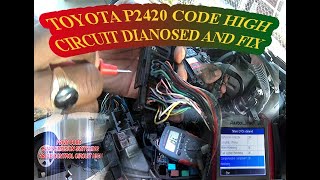
When you see a p2420 code, you’re dealing with a specific situation where the engine control module (ECM) has picked up on a problem with the control circuit for a valve in the evaporative emissions system. Let me break that down from what I’ve seen in the shop: this is the part of your car that stops gas vapors from escaping into the atmosphere. If you’re working on a Toyota or Lexus, this code almost always points back to the vacuum pump module or the wiring that leads to it. That pump’s job? It pulls a vacuum in the EVAP system a few hours after the engine’s off, letting the ECM test for leaks and make sure everything’s locked up tight. For those of you wrenching on Volvos, it’s a slightly different animal-the p2420 code there means the ECM is seeing a high signal from the leak detection pump valve, but the basic idea is the same: it’s all about checking for leaks in the fuel vapor system. Bottom line: no matter what you’re driving, the goal is to keep those fuel vapors contained and make sure your emissions system is doing its job.
DTC P2420
 3958
3958 6 minutes of reading
Causes and dtc P2420
From my time under the hood, I can tell you that the causes behind a p2420 code are usually pretty clear cut. The number one offender? A bad vacuum pump module or leak detection valve. These are the workhorses of the system, and when they go, you’ll see this code. But don’t overlook the wiring-damaged, shorted, or even just loose connections are a classic reason this code pops up. I’ve lost count of how many times a simple connector that’s not clicked in all the way has caused a headache. And while it’s rare, a faulty ECM can also throw this code. Here’s my checklist when I see p2420:
- Faulty vacuum pump module (Toyota/Lexus) or leak detection valve (Volvo)
- Open or shorted wiring harness to the pump or valve
- Poor electrical connections at the pump/valve or ECM
- Damaged, bent, or corroded connector pins
- Rarely, a malfunctioning engine control module (ECM)
Symptoms and P2420
Most of the time, the only sign you’ll get is the check engine light glaring at you from the dash. That’s it. I’ve had plenty of cars come in with a p2420 code, and you’d never know from the way they drive-no rough running, no odd noises, no fuel smell. Don’t be lulled into thinking it’s not a big deal, though. Here’s what you’ll typically notice:
- Check engine light or service engine soon warning
- No noticeable change in engine performance

Diagnosis and P2420 trouble code
Whenever I’m chasing down a p2420, I always stick to a systematic approach-and you can, too, if you’re handy with a multimeter and not afraid to get your hands dirty. Here’s how I do it:
- Start by inspecting the wiring and connectors at the vacuum pump module (Toyota/Lexus) or leak detection valve (Volvo). Look for broken insulation, fraying, or any signs of corrosion. Make sure every connector is firmly seated-sometimes, having a helper wiggle the harness while you watch for changes can reveal an intermittent fault.
- Pop the connectors apart and check the pins. If you see one that’s bent, pushed out, or looks green (that’s corrosion), you may have found your trouble spot. Always check both sides-the module and the harness.
- If everything looks solid, grab your multimeter and check for continuity in those wires. Look out for any shorts to ground or power-these can be invisible to the eye but show up fast on the meter.
- Once the wiring and connectors check out, it’s time to test the pump or valve itself. On some cars, you can use a scan tool to activate the component and listen for it to click or whir. If you don’t hear anything, odds are the part itself is done for.
- If you’ve ruled out all the above and you’re still coming up empty, consider the ECM-but that’s a rare failure in my book.
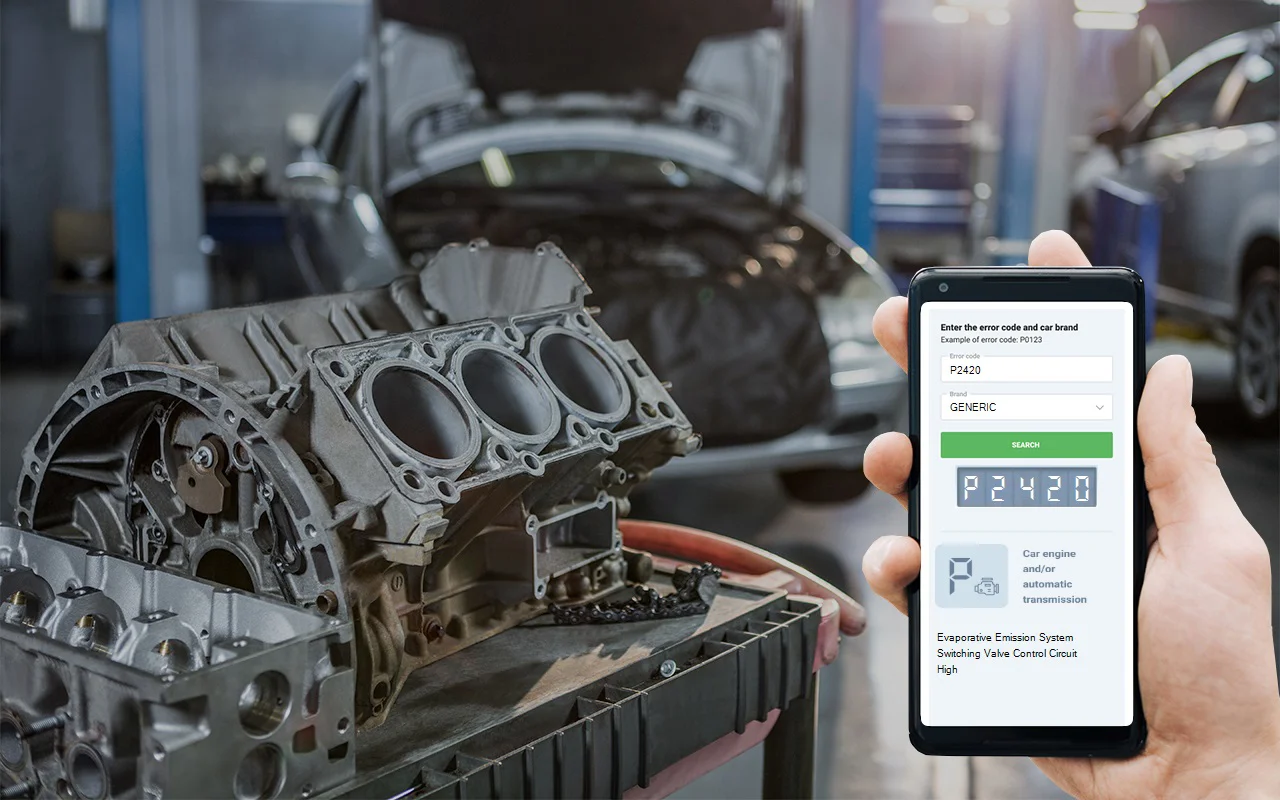
Common Mistakes when repairing P2420 code
Here’s a pro-tip from the garage: don’t throw parts at the problem. Too many times, I’ve watched folks swap out a vacuum pump or valve, only to find a simple wiring issue was to blame. Another classic: skipping over the connectors. A little corrosion or a pin that’s not making good contact can be all it takes to set this code. If you don’t start with a thorough visual inspection and some basic electrical checks, you’re setting yourself up for a wild goose chase. Always begin with the basics before busting out your credit card for new parts.

Seriousness of obd2 code P2420
Just because your car seems to run fine doesn’t mean you can brush this off. The EVAP system’s job is to keep those nasty fuel vapors out of the air-and out of your car’s cabin. Let this problem hang around, and you’re risking a failed emissions test at best. At worst, a lingering electrical issue could fry your pump, valve, or even the ECM itself. I’ve seen small wiring problems snowball into much bigger headaches when ignored. My advice? Don’t wait. Get it checked out and fixed as soon as possible.
Repair steps for obd code P2420
Once you’ve tracked down the issue, the fix is usually pretty straightforward. Here’s how I handle it in the shop:
- Repair or replace damaged wiring or connectors at the vacuum pump module or leak detection valve
- Swap out the vacuum pump module (Toyota/Lexus) or leak detection valve (Volvo) if it’s faulty
- Clean and reseat any corroded or loose connectors so you’ve got a good, solid electrical connection
- If you’ve ruled everything else out, replace the ECM-but that’s a rare last resort
After making repairs, I always clear the code and run the EVAP system test again to confirm everything’s working the way it should.
Conclusion
Here’s the takeaway: p2420 means trouble in the evaporative emissions system-most often with the vacuum pump module, leak detection valve, or the wiring that runs to them. You probably won’t feel any difference behind the wheel, but this is key for emissions and for keeping your ride healthy down the road. Your best bet? Start by checking wiring and connectors, then move on to testing the components. Don’t sit on this code-getting ahead of it almost always means a quick, easy fix, and you’ll save yourself a headache in the long run.