
Causes of dtc P2426
From what I see most often in the shop, the main culprits behind a p2426 code are:
- A faulty EGR cooler bypass valve itself - this is the part that actually moves to direct exhaust gases.
- Wiring issues, like an open or shorted circuit in the harness going to the valve. Sometimes wires get brittle, rubbed through, or corroded.
- Poor or corroded electrical connections at the valve connector - I’ve seen plenty of cases where just cleaning or tightening the connector solves the problem.
For Ford vehicles, these are the most common issues. Other brands might use this code for slightly different EGR-related problems, but the basics are pretty similar: it’s almost always something with the valve, the wiring, or the connector.
Symptoms Associated with obd code P2426
Whenever this code shows up, the first thing you'll probably spot is that dreaded check engine light glaring at you. Sometimes, that’s all you’ll notice-most cars keep running just fine, at least at first. But every now and then, I’ll have a customer mention rough idling or a hiccup when accelerating, especially if the EGR system is getting stuck. If you let it go too long, you could end up with higher emissions, and in rare situations, things can get hot enough to risk overheating. Nine times out of ten, though, that warning light is your main clue until the problem gets worse.

Diagnosis and Testing for P2426 engine code
Here’s how I usually tackle a p2426 code, step by step:
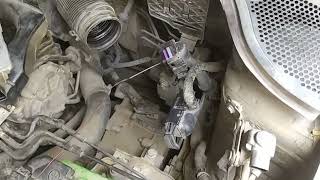
- Start with a visual inspection. Pop the hood and check the wiring harness and connector at the EGR cooler bypass valve. Look for any obvious damage, loose plugs, or corrosion. It’s best to have a good light and maybe a small mirror for this.
- Gently tug on the wires to see if any are loose or broken. Don’t forget to check for greenish corrosion inside the connector - that’s a surefire way to end up with a bad signal.
- If everything looks good, I’ll use a multimeter to check for voltage and continuity in the circuit. This tells me if the wiring is intact from the engine computer to the valve.
- Next, I’ll test the valve itself. Some valves can be manually activated with a scan tool or by applying voltage directly (if you know what you’re doing). If the valve doesn’t move or respond, it’s likely the culprit.
- Finally, I’ll clear the code and see if it comes back after a test drive. If it does, I know I’ve missed something and need to dig deeper.
It’s better to have someone assist you, especially when checking live data or activating the valve. And always make sure the engine is cool before poking around the EGR system - those parts can get scorching hot.
Common Mistakes When Repairing obd2 code P2426
A classic mistake I see-way too often, honestly-is folks swapping out the EGR cooler bypass valve without even glancing at the wiring or connectors first. Don’t fall into that trap. More times than I can count, all it took was cleaning some corrosion off the connector or tightening things up to fix the issue. People also skip the basic once-over for corrosion inside the connector, which is just asking for ongoing trouble. If you don’t start with the simple stuff, you’re likely to waste time and money on parts you didn’t need.

Seriousness of the P2426 code Issue
Let me be clear: this isn’t something you want to shrug off. Sure, your car might not leave you stranded on the side of the road right away, but a faulty EGR cooler bypass valve can lead to increased emissions, and if ignored, you’re risking engine overheating or even damage to the EGR system itself. Things can go sideways pretty quickly if that wiring shorts out or the valve sticks open. Besides, you’re almost guaranteed to flunk an emissions test if you let this linger. Parts at risk include the EGR valve, the cooler, and-if you let it get out of hand-the engine itself.
Repair Steps for a P2426 trouble code
Here’s what I personally recommend for fixing a p2426 code, based on what’s worked in the field:
- Repair or replace any damaged wiring or connectors at the EGR cooler bypass valve.
- Clean corroded terminals and make sure all connections are tight and secure.
- If the valve itself is faulty, replace it with an OEM part - don’t go cheap here, as aftermarket valves can cause more problems.
- Clear the code and take the car for a test drive to make sure everything’s working as it should.
In some cases, a Technical Service Bulletin (TSB) might apply, so it’s always worth checking for any updates from the manufacturer before replacing parts.

Conclusion
Bottom line? P2426 is your car’s way of telling you there’s trouble with the EGR cooler bypass valve control circuit. Nine times out of ten, it’s a wiring or connector issue, but sometimes the valve itself bites the dust. Don’t put this off-get to it while it’s still a quick fix. My go-to approach is always to check the simple stuff first, like wiring and connectors, before you start tossing parts at the problem. The sooner you jump on it and follow a methodical diagnostic process, the quicker you’ll have your vehicle running clean and smooth again.
 4519
4519 6 minutes of reading