
Causes of P2428 trouble code
From what I’ve seen and based on the official repair data, the most common reasons for a p2428 fault are:
- A faulty exhaust gas temperature (EGT) sensor - this is the part that actually measures the heat in your exhaust.
- Damaged or corroded wiring or connectors going to the EGT sensor - sometimes the wires get brittle, break, or the connectors get dirty or loose.
- Poor electrical connections in the EGT sensor circuit - even a little bit of corrosion or a loose pin can throw off the readings.
- Extreme changes in outside temperature right after starting the engine - this is less common, but it can confuse the sensor, especially if the vehicle’s been sitting for a long time.
In my experience, most often the issue is with the sensor itself or the wiring right at the connector. It’s rare, but sometimes the PCM can be at fault, though that’s usually after everything else has been ruled out.
Symptoms of P2428 engine code
Whenever this code pops up, the check engine light is almost always your first clue. Sometimes, that’s all you’ll notice-the car still drives fine and you wouldn’t know anything’s wrong unless you scanned it. But every so often, you might feel the engine stumble, see a drop in power, or even have your car drop into limp mode as a safety net. Here’s the truth: most folks don’t feel a thing besides that glowing light, at least in the beginning.

Diagnosis with obd code P2428
How do I go about diagnosing a p2428? Here’s my tried-and-true routine:
- First, I always check for any other stored codes. Sometimes, another code will give you the missing piece of the puzzle.
- Next, I get my eyes on the EGT sensor and its wiring on Bank 1. I’m hunting for split wires, melted insulation, or a connector that’s got green corrosion or just doesn’t fit tight anymore. A flashlight and a pocket mirror are your best friends here.
- Wiggling the connector gently can tell you a lot-if it feels loose or you spot a bent pin, that’s trouble.
- If nothing looks bad, I’ll hook up a scan tool and watch the live data from the EGT sensor. When the engine’s cold, the sensor reading should match the outside air temp. If it’s way off, your sensor’s probably lying to you.
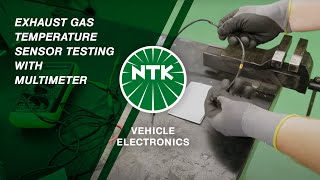
- Comfortable with a multimeter? With the sensor unplugged, check its resistance and compare it against the specs in your manual. If it’s not within range, time for a new sensor.
- Still stuck? I’ll check continuity from the sensor back to the PCM, making sure there aren’t any shorts or open circuits hiding in the harness.
One last word-watch those hot exhaust parts! If you’re not used to working around them, have someone spot you. Burns are no joke.
Common Mistakes with dtc P2428
A classic mistake I see all the time: folks jump straight to replacing the EGT sensor without ever checking the wiring or the connectors. That can turn a cheap fix into a pricey waste. Another one? Not letting the exhaust cool down-trust me, you’ll only do that once before learning your lesson! And don’t forget, skipping a scan for other codes can send you chasing your tail if there’s a deeper issue hiding in the system.

Seriousness of P2428
Ignore this code, and you’re asking for trouble. If the EGT sensor’s feeding your PCM the wrong info, the computer can’t keep critical parts like your cat or turbo from overheating. That means you could be shelling out for major repairs down the road. Sometimes, you’ll even get thrown into limp mode, and nobody wants that when they’re miles from home or stuck in traffic. The bottom line? Don’t mess around with this one-get it fixed before it snowballs into a bigger headache.
Repair for P2428 code
Here’s my go-to repair process for a p2428 code-tried, tested, and proven in the shop:
- If the EGT sensor’s readings are out of whack, swap in a new sensor.
- Find any broken, frayed, or corroded wires or connectors? Repair or replace them right away.
- Clean up any corrosion on the terminal pins, and make sure everything’s locked in tight when you reconnect.
- Once you’ve fixed the culprit, clear the code, take the car for a test spin, and double-check that the code doesn’t pop back up.
Very rarely, if you’ve done all this and the code returns, your PCM might need some attention-but that’s always my last step after ruling out everything else.

Conclusion
Here’s the takeaway: P2428 means your computer’s getting bad exhaust gas temperature info from Bank 1. Most of the time, it’s a bum sensor or sketchy wiring-both issues you want to fix fast before they cause more trouble. Don’t skip the basics: check the wiring, check the sensor, and don’t put it off for later. Getting the right fix usually just means repairing or replacing what’s broken, clearing the code, and making sure it’s gone for good. Trust me, it’s not worth the risk if you let it slide, so get it handled sooner rather than later.

 4757
4757 6 minutes of reading