
Causes of obd2 code P2429
From my experience, the most common reasons for seeing a P2429 code are:
- A faulty exhaust gas temperature (EGT) sensor on bank 2. These sensors can fail over time or get coated with soot.
- Wiring issues-like a broken wire, a short, or a bad connection in the EGT sensor harness. I’ve seen plenty of cases where rodents chew through wires or connectors get corroded.
- Poor electrical connections at the sensor or the control module. Sometimes it’s just a loose or dirty plug.
- Extreme changes in outside temperature, especially right after starting the engine, can sometimes trigger this code, but that’s less common.
For some brands, like Ford, the code is specifically triggered if the sensor’s reading is way off compared to what the computer expects after the vehicle has been sitting for a while and then driven at speed. Other brands may have slightly different criteria, but the root causes are usually similar.
Symptoms of P2429 code
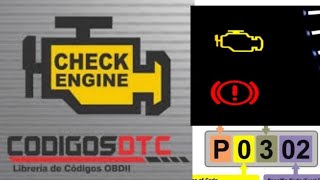
When this code is active, most drivers will notice the check engine light or a service engine warning on the dash. Usually, you won’t feel any difference in how the car drives, but in some cases, the engine might go into a reduced power mode to protect itself. If the problem is left unchecked, you could eventually notice rough running or even damage to the exhaust system, but most of the time, it’s just that warning light staring at you.

Diagnosis steps for obd code P2429
Here’s how I usually approach a P2429 code:
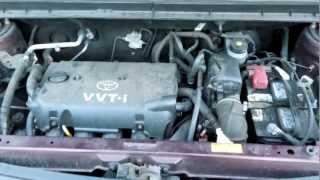
- First, I recommend starting with a visual inspection. Pop the hood and locate the EGT sensor on bank 2 (that’s the side of the engine with cylinder 2, which varies by engine type). Check the wiring harness and connectors for any obvious damage, corrosion, or loose connections. Don’t forget to look for signs of rodent damage or melted wires.
- Next, unplug the sensor and inspect the connector pins. Make sure none are bent, pushed out, or green with corrosion. It’s best to have someone wiggle the harness while you watch the sensor reading on a scan tool-if the reading jumps around, you’ve probably got a wiring issue.
- If everything looks good visually, I use a scan tool to monitor the EGT sensor readings. Compare the bank 2 sensor to the bank 1 sensor, especially after the vehicle has been sitting overnight. Both should read close to ambient temperature before starting the engine. If one is way off, that’s a big clue.
- If the readings are off, I’ll check the sensor’s resistance with a multimeter (referencing the specs in the service manual). If the resistance is out of range, the sensor is likely bad.
- Finally, if the sensor and wiring check out, I’ll check for any software updates or technical service bulletins that might apply-sometimes the fix is a reflash of the engine computer.
It’s better to have someone assist you if you’re not comfortable with electrical checks. And always make sure the engine is cool before working near the exhaust!
Common mistakes with P2429 engine code
One thing I see a lot is folks replacing the EGT sensor right away without checking the wiring or connectors. That’s a surefire way to waste money if the real problem is a broken wire or a corroded plug. Another common mistake is not comparing both banks-sometimes the issue is with the reference, not the sensor itself. And don’t forget to check for technical service bulletins; I’ve seen cases where a software update was all it took to fix the problem.

How serious is the P2429 trouble code
This isn’t something you want to ignore. While you might not notice any immediate drivability issues, a faulty EGT sensor can lead to bigger problems down the road. If the exhaust gets too hot and the computer doesn’t know about it, you risk damaging the catalytic converter, diesel particulate filter, or even the turbocharger. Those are expensive parts, and things can go south quickly if overlooked. Honestly, it’s dangerous to ignore this, especially if you drive a lot or tow heavy loads.
Repair solutions for dtc P2429
Here’s what I typically do to fix a P2429 code:
- Replace the faulty EGT sensor on bank 2 if it’s out of spec or giving bad readings.
- Repair or replace any damaged wiring or connectors in the EGT sensor circuit.
- Clean any corroded connectors and apply dielectric grease to prevent future issues.
- If there’s a relevant technical service bulletin, perform any recommended software updates or reprogramming.
- Clear the code and test drive the vehicle to make sure the repair worked and the code doesn’t return.

Conclusion
To sum it up, P2429 means your vehicle’s computer thinks the exhaust gas temperature on bank 2 is way too high or the sensor circuit isn’t working right. It’s not something to put off-acting quickly can save you from much bigger headaches and expensive repairs. The best approach is to start with a careful inspection of the sensor and wiring, compare sensor readings, and only replace parts as needed. In my experience, most fixes are straightforward if you follow the right steps. Don’t wait on this one; get it checked and fixed before it turns into a bigger problem.

 4481
4481 6 minutes of reading