
Causes of P242C trouble code
From what I see in the shop and what the official repair info says, these are the most common culprits for a p242c issue:
- Faulty exhaust gas temperature sensor 3 (the sensor itself has failed or is reading incorrectly)
- Wiring harness issues-like damaged, chafed, or corroded wires, especially if they’re shorted to ground
- Poor or loose electrical connections at the sensor or the control module
- Connector problems-sometimes moisture or dirt gets in and causes a bad connection
- Less often, a problem with the engine control module (ECM) itself, but that’s rare in my experience
Symptoms of obd code P242C
When this code shows up, the first thing you'll probably spot is the check engine light staring at you from the dash. Most of the time, you won't notice any major difference in how the car drives right away. But don't let that fool you-sometimes, especially on diesels, things can escalate. You might see the engine running a bit rough, or the car might even drop into reduced power mode if the system's trying to protect itself. Diesel owners sometimes find their particulate filter won't regenerate properly, or you might notice extra smoke out the tailpipe. Bottom line: it's a sneaky problem that can seem harmless at first, but it rarely stays that way if ignored.

Diagnosis steps for P242C engine code
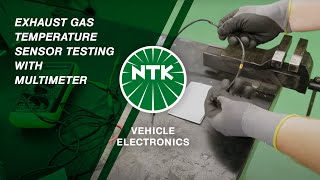
Want to know how a seasoned tech tracks down a p242c? Here's my go-to process. First, I always start with a hands-on visual-get up close and personal with the wiring and connectors going to Exhaust Gas Temperature Sensor 3. Look for obvious stuff: melted wires, broken clips, or green corrosion. Check those connector pins-I've lost count of how many times a single bent or loose pin was the culprit. Next, I plug in a scan tool and compare the live data from all the exhaust sensors. If one is reading way out of line, that's usually your smoking gun. After that, I'll disconnect the sensor and use a multimeter to check resistance-if it's open, shorted, or just way off spec, swap it out. If the sensor's good, then I move on to the wiring. I'll check for continuity and shorts between the sensor and ECM, and here's a pro-tip: have someone wiggle the harness while you test, because intermittent faults love to hide until you move things around. Only after all that, and if everything else checks out, do I start suspecting the ECM-a rare scenario, but not impossible.
Common mistakes during P242C code troubleshooting
A classic mistake I see is folks jumping straight to swapping out the sensor without checking the wiring first. That's an easy way to spend money you didn't need to. Another thing that trips people up: not comparing the readings from all the exhaust temp sensors. Sometimes the oddball is easy to spot if you look at them side by side. And don't skip clearing the code and taking the car for a drive after your fix-I've had jobs where the issue was nothing more than a loose connection that got fixed just by unplugging and plugging things back in.

Seriousness of dtc P242C
Ignoring this code is asking for trouble. If you let it slide, you're running the risk of cooking expensive parts like the catalytic converter or DPF because the system can't keep tabs on exhaust temps. There's also a good chance your vehicle could go into limp mode, or flunk an emissions test. From my time in the garage, I've seen small problems turn into big repair bills when this gets ignored, especially on newer models where everything's more sensitive. Save yourself the headache-get it checked and fixed before your car decides to make things worse.
Repair solutions for obd2 code P242C
Nine times out of ten, replacing exhaust gas temperature sensor 3 does the trick. But don't just throw a part at it before checking the basics. Always go over the wiring and connectors-sometimes cleaning up a corroded pin or snugging up a loose fit solves the whole thing. If both the sensor and wiring pass your tests, then yeah, maybe the ECM is the issue, but that's rare in my book. After any repair, clear the code and put some miles on the car to make sure the code doesn't pop back up. That's the only way to know you've nailed it.


Conclusion
So, to wrap things up: P242C means your car's not getting the right info from one of its exhaust temperature sensors, which can throw your emissions system out of whack and put pricey parts at risk. This isn't one of those codes you can ignore for weeks. My advice? Start with a careful check of the sensor and wiring. Only start replacing parts once you're sure they're the problem. In my experience, get this sorted quickly and you're back to smooth driving without any lingering issues.

 5494
5494 5 minutes of reading