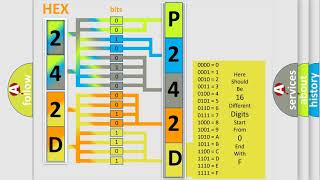
When you see code P242D show up, your car’s computer has caught wind of an issue with the exhaust gas temperature sensor circuit-specifically, that’s Bank 1 Sensor 3. Let me put it in shop talk: this sensor monitors the temperature of your exhaust gases as they head out of the engine and snake through the exhaust. The computer is always watching for odd voltage readings, making sure the sensor and wiring are doing their job. If the sensor shorts, goes open, or starts sending readings that are way off, the computer throws this code. I can’t overstate how essential this sensor is-if it isn’t working right, your emissions system can’t protect pricey parts like the catalytic converter or diesel particulate filter from getting fried by too much heat.
DTC P242D
 4658
4658 5 minutes of reading
Causes and obd code P242D
From my time under the hood and what the repair manuals back up, here’s what I usually find when P242D rears its head:
- The exhaust gas temperature sensor itself is faulty (that’s Sensor 3 on Bank 1 for this one)
- Wiring or connectors leading to the sensor are damaged, cooked, or corroded
- The sensor’s circuit has shorted to power or ground somewhere in the harness
- There’s an open circuit in the wiring, meaning you’ve got a break or disconnect
- Once in a blue moon, the issue is with the engine control module (ECM), but honestly, that’s rare unless you’ve had major electrical problems or water intrusion
Most times, the trouble’s right at the sensor or its connector-those spots take a beating from heat and vibration over the years.
Symptoms and dtc P242D
If P242D is active in your car, you’ll probably notice at least a couple of these:
- The Check Engine Light almost always lights up-hard to miss that one
- You might get messages about emissions system or exhaust temperature on the dash
- Some cars will kick into ‘limp’ mode or reduce engine power to save themselves from heat damage
- Fuel mileage can drop off if the sensor’s flaking out
- Most times, you won’t feel much difference in how the car drives-unless you’ve let the problem sit for a while
Don’t ignore that warning light-think of it as your car waving a big flag for attention.

Diagnosis process using P242D engine code
Here’s my go-to process for chasing down a P242D issue:
- I always start by scanning for other codes-sometimes you’ll get bonus clues that point right to the root of the trouble.
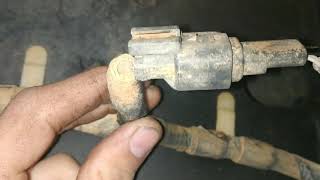
- Next, I get eyes on the exhaust gas temperature sensor and its wiring. I’m looking for melted insulation, frayed wires, or connectors that look like they’ve seen a few too many winters. It helps to have someone gently wiggle the harness while you keep watch for any hiccups.
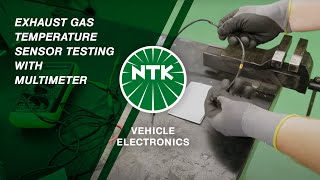
- If things look good visually, I break out the multimeter and check for continuity and proper voltage at the sensor connector. You’re checking for obvious shorts or open circuits here.
- Then, I’ll grab the service manual and see what the resistance should be for that sensor. If your reading is way out of the ballpark, the sensor’s toast.
- If all of that checks out, only then do I take a hard look at the ECM-but in all my years, that’s almost never the problem unless there’s been water damage or a serious electrical meltdown.
Start with the basics. Nine times out of ten, it’s the wiring or sensor itself, not the computer.

Common Mistakes when fixing P242D code
A classic mistake I see is folks swapping out the sensor before ever checking the wiring. If you skip checking for broken wires or a loose connector, you’ll end up spending money for nothing. Another one? Forgetting to clear the code and take the car for a spin after repairs. Sometimes, the code will pop right back up if the real problem wasn’t tackled. Here’s a pro-tip: always inspect those connector pins for corrosion or a bent terminal-they’re easy to overlook and can cause all sorts of headaches.

The seriousness of P242D
Let me be blunt-you don’t want to brush this one off. If you ignore a P242D, you’re gambling with expensive parts like your catalytic converter or DPF. When the system can’t monitor exhaust temps, the computer can’t step in to prevent serious damage. In some cases, the car will cut power to protect itself, which might leave you crawling home or stuck on the side of the road. Take it seriously-problems here can snowball quickly, especially if things get too hot under there.
Repair steps for obd2 code P242D
Here’s what fixes P242D in my experience and what the manuals recommend:
- Swap out the exhaust gas temperature sensor (Bank 1 Sensor 3) if it’s not reading right
- Fix or replace any wiring or connectors that are damaged, brittle, or corroded
- After repairs, clear the code and go for a test drive to see if it stays gone
- In the rare case the ECM is the culprit, replace or repair it-but only after you’ve ruled everything else out
Whatever you do, double-check your work. Make sure the new sensor is snug and the wiring is routed well away from anything that gets hot.
Conclusion
Bottom line: P242D means your exhaust gas temperature sensor circuit on Bank 1 Sensor 3 is acting up. Don’t drag your feet-if you let it go, you could be in for a much bigger repair bill down the line. Start by inspecting the sensor and wiring; that’s where the trouble usually hides. Tackle each step, clear the code, and confirm the fix before calling it done. The best fix is almost always a new sensor or a wiring repair, then making sure everything’s buttoned up. Handle this early and your car-and your wallet-will be much better off.