
Main Causes of P242E Trouble Code
From my time under the hood and flipping through the shop manuals, I can tell you there are a handful of usual suspects behind a P242E code:
- The exhaust gas temperature sensor itself (EGT3) wearing out or getting gunked up-these things just don’t last forever.
- Wiring or connectors that have seen better days-road salt and engine heat can wreak havoc on them.
- Loose or poorly connected plugs-sometimes it’s as simple as a connector not clicked in all the way.
- Shorts or open circuits-wires can chafe, break, or even melt if routed poorly.
- The ECM (engine control module) acting up is rare, but I’ve seen it once or twice over the years.
Truth is, nine times out of ten, it’s the sensor or its wiring that’s at fault-not the computer.
Recognizing Symptoms of P242E Code
If you’re seeing a P242E code pop up, here’s what you’re likely to experience:
- That check engine light is almost a sure thing.
- Sometimes, you’ll see an emissions or DPF warning on the dash.
- The engine might drop into limp mode-especially if you’re driving a diesel-so don’t be surprised if you lose power.
- Your vehicle may try to force a regeneration more often, or you might notice failed regens.
- Most of the time, you won’t notice a drivability issue right away unless you ignore the problem for a while.
Don’t ignore those warning lights-they’re your early warning system that something’s not right.

How to Diagnose OBD2 Code P242E
Let me walk you through how I’d tackle diagnosing a P242E code in the shop:
- I always start by scanning for any other codes-sometimes what looks like a sensor issue is really part of a bigger problem.
- Next, I’ll get eyes on the sensor and wiring. Look for obvious stuff first: melted insulation, fraying, busted connectors, or green fuzz from corrosion. Having someone wiggle the harness while you watch readings on a scan tool can really help.
- If nothing jumps out visually, I’ll fire up the scan tool and check live data for the EGT3 sensor. If the numbers are bouncing all over or don’t match up with the other sensors, that’s a telltale sign.
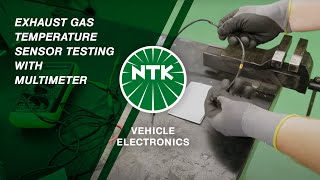
- If the data’s fishy, I’ll unplug the sensor and test its resistance with a multimeter against the specs in the manual. If it’s way off, that sensor’s probably toast.
- If the sensor checks out, then it’s time to check the wiring-look for shorts, opens, or high resistance. Sometimes you’ll find a pinched wire from a previous repair.
- Only after all this would I start to question the ECM itself, and honestly, that’s the rarest scenario.
Once you’ve made repairs or checks, always clear the code and take it for a drive to see if it comes back.
Avoiding Common Mistakes with DTC P242E
Over the years, I’ve seen folks trip up on a few of the same things when trying to sort out this code:
- Swapping out the sensor right away without checking the wiring-sometimes it’s just a bad wire or crusty connector causing all the drama.
- Not comparing sensor readings to the other exhaust sensors-this trick can really help you pinpoint whether it’s a sensor-specific issue or something else.
- Missing related codes-sometimes the root cause is hiding in another trouble code you haven’t noticed.
- Overlooking the little things-loose connectors or pinched wires can happen during unrelated repairs and cause more problems than you’d think.
Take your time and be thorough-a careful checkup now can save you a ton of hassle (and cash) later.

The Seriousness of OBD Code P242E
Trust me, this isn’t a code to sweep under the rug. If that exhaust gas temperature sensor isn’t doing its job, the emissions system can’t protect itself from overheating or getting blocked up. If you ignore it, you’re risking damage to the DPF, catalytic converter, or even the turbo-those aren’t cheap fixes. In some cases, you’ll get stuck in limp mode and won’t even be able to drive the speed limit on the highway. It’s just not worth rolling the dice-this is one of those problems that can snowball fast if you don’t jump on it.
Repair Solutions for P242E Engine Code
Here’s what gets a P242E code sorted out in most cases, both from what I see in the bay and what the manuals suggest:
- Swap out the exhaust gas temperature sensor (Bank 1 Sensor 3) if it’s out of spec or the readings are all over the place.
- Fix or replace any damaged wiring or connectors you spotted during your inspection.
- Clean up any corroded connectors and make sure everything’s snug and secure.
- After repairs, clear the code and take the vehicle for a spin to make sure the issue doesn’t come back.
- If you’ve ruled out everything else, you might need to dig deeper into the ECM, but that’s the exception, not the rule.
Start with the basics-the sensor and wiring are almost always to blame.



Conclusion
Bottom line: P242E means your exhaust gas temperature sensor (Bank 1 Sensor 3) is throwing a fit, and that’s something you don’t want to mess around with. Make this repair a priority-start with a sharp inspection of the sensor and wiring, and don’t let things slide. Most of the time, a fresh sensor or a simple wiring fix will get you back on the road with no worries. Quick action now is the best way to dodge expensive repairs later on. Take it from someone who’s seen these problems snowball-don’t wait.

 6151
6151 6 minutes of reading