Causes and P2431
From what I’ve seen in the shop, there are a handful of usual suspects when it comes to the P2431 issue. Most often the problem is with the secondary air injection pump itself-it can fail or get weak over time. Another likely culprit is the one-way check valve, which might get stuck or start leaking. The air control solenoid valve may also malfunction. In some cases, the air pressure sensor is defective, or there’s a wiring problem like a loose connector or damaged wire. Occasionally, it might even be the car’s computer needing a software update, but that’s less frequent. Here’s a quick rundown:
- Secondary air injection pump failure
- Faulty one-way check valve
- Defective air control solenoid valve
- Malfunctioning air pressure sensor
- Wiring or connector issues
- PCM (car computer) problems, like outdated software
Symptoms and P2431 engine code
When this code pops up, you’ll usually notice a few things. The most obvious is the check engine light coming on. But that’s not all-drivers often report rough idling, the engine stalling, or having a hard time starting up, especially when the engine is cold. Sometimes there’s a strange noise coming from the SAI system, kind of like a whirring or buzzing. You might also feel like the engine just isn’t running as smoothly or powerfully as it should. If you notice any of these, it’s a sign to get things checked out sooner rather than later.

Common Mistakes with obd2 code P2431
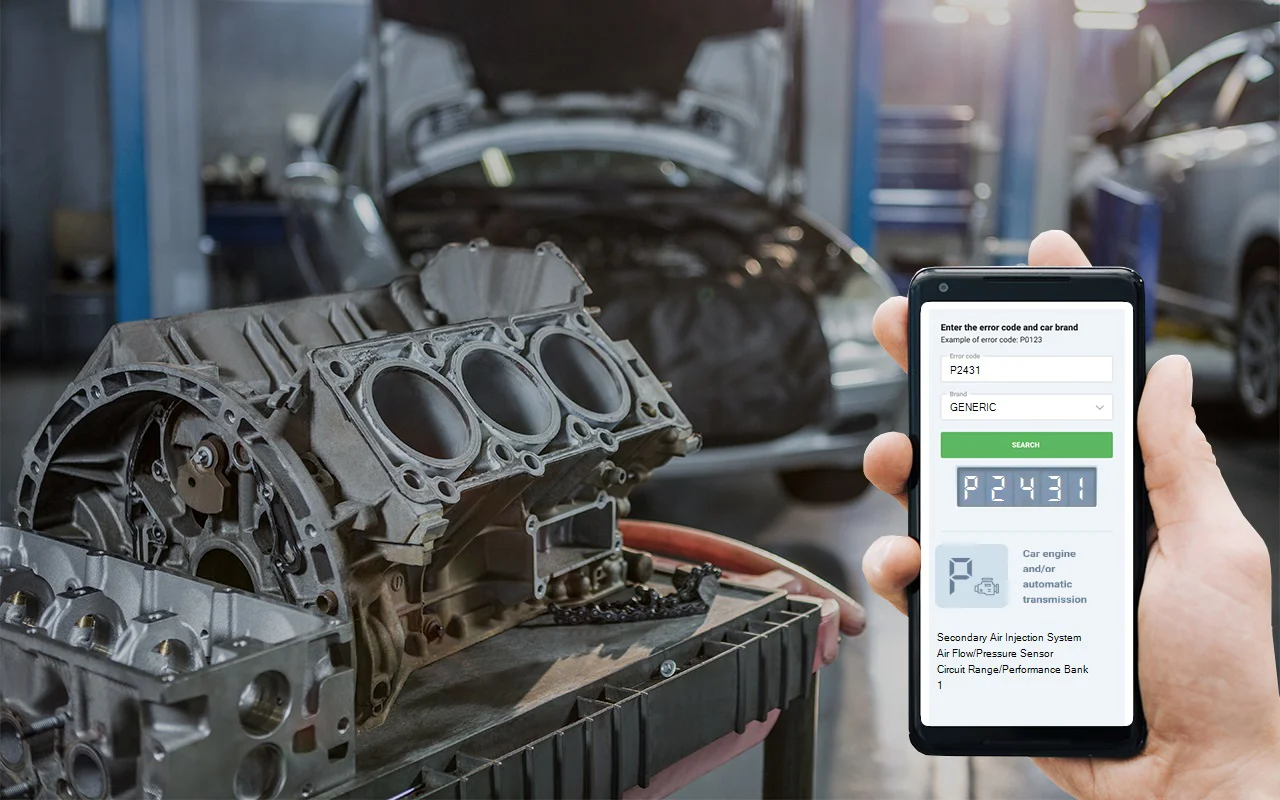
I’ve seen a few common mistakes when folks try to fix this code. One is replacing the air pressure sensor right away without checking the wiring or the pump-sometimes the sensor is fine, but it’s not getting the right signal because of a wiring issue. Another is overlooking the check valve or solenoid valve, which can be sneaky culprits. Skipping a thorough inspection of connectors and hoses is a surefire way to miss something simple. And don’t forget, just clearing the code without fixing the root cause will only make it come back. Take your time and check each part of the system before spending money on new parts.

Repair and dtc P2431
In cases like this, the fix depends on what you find during diagnosis. Most often, replacing a faulty secondary air injection pump or a bad air pressure sensor does the trick. Sometimes, it’s as simple as repairing a damaged wire or cleaning up a corroded connector. If the check valve or solenoid valve is stuck or leaking, swapping those out usually solves the problem. And if it turns out to be a software issue with the PCM, a dealer can update it for you. I recommend starting with the simple stuff-wiring and connectors-before moving on to the more expensive parts.
Conclusion
To sum it up, P2431 means your car’s secondary air injection system isn’t working the way it should, usually because of a sensor or component problem. It’s not something to take lightly-the risks just aren’t worth it, from poor performance to potential engine or emissions system damage. The best approach is to start with the basics, check wiring and connectors, then move on to the pump, valves, and sensor. If you work through the steps methodically, you’ll find the root cause and get your car running right again. Don’t delay-getting this fixed promptly is the safest and most reliable way to avoid bigger headaches down the road.
Video for "Error p2431" on YouTube
The following error codes are often searched for

 5793
5793 6 minutes of reading