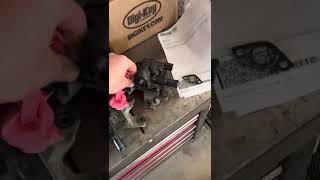
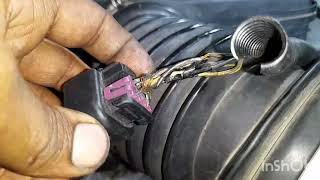
Let me break down what p2432 really means, straight from my time in the shop. When this code pops up, your car’s computer is telling you it’s spotted an issue with the secondary air injection system-specifically, it’s seeing low voltage or resistance from the air pressure sensor on Bank 1 (that’s the side where cylinder #1 lives). Now, the SAI system basically kicks in during cold starts to pump fresh air into your exhaust. Why? It helps burn off leftover fuel and keeps your emissions in check. The whole system relies on an air pump, a pressure sensor, and a few valves working in harmony. If the sensor’s signal dips below the threshold the manufacturer expects, the computer flags it with p2432. In short, something’s not quite right, and your emissions system isn’t doing its job like it should.
DTC P2432
 5101
5101 5 minutes of reading
Common Causes of dtc P2432
From experience, the most common reasons I see for a p2432 code are usually one of these:
- A bad secondary air injection pump that isn’t pushing enough air
- A faulty one-way check valve that’s stuck or leaking
- A defective air control solenoid valve that isn’t opening or closing properly
- A malfunctioning air pressure sensor giving the computer the wrong readings
- Wiring or connector issues-sometimes it’s just a loose plug or a broken wire
- On rare occasions, a problem with the vehicle’s computer itself, like outdated software
Most often the issue is with the pump, the sensor, or the wiring. I recommend starting with those before moving on to the more complex stuff.
Recognizing Symptoms of P2432 engine code
When this code pops up, you’ll probably notice a few things. The check engine light will almost always come on first. Some folks also report the engine running rough, especially at idle, or even stalling out when starting up cold. You might notice the engine is harder to start, or there’s a strange noise from the SAI system. Sometimes, you’ll feel a drop in engine performance. If you’re seeing any of these, it’s a good sign the code is more than just a fluke.

Diagnosis Process for obd2 code P2432
Here’s how I usually go about tracking down a dtc p2432, step by step:
- First, I always start by checking for any other codes. Sometimes, there’s a related code that points you right to the problem.
- Next, I inspect the wiring and connectors at the air pressure sensor and the SAI pump. Look for loose plugs, corrosion, or damaged wires. It’s best to have someone wiggle the harness while you watch for changes.
- Then, I test the air pressure sensor itself. Using a multimeter, I check for the correct voltage at the sensor connector with the key on. If the readings are way off, the sensor might be bad.
- After that, I check the SAI pump operation. Listen for it running during a cold start, or use a scan tool to command it on. If it’s silent or weak, that’s a red flag.
- I also make sure the one-way check valve and air control solenoid valve aren’t stuck or leaking. Sometimes, removing the hose and checking for airflow is all it takes.
- If everything checks out but the code remains, I’ll look into the PCM and see if there’s a software update or deeper issue.
Don’t forget to check the basics before replacing parts. It’s better to have someone assist you, especially when testing the pump or valves.
Avoiding Common Mistakes with obd code P2432
One thing I see a lot is folks jumping straight to replacing the air pressure sensor without checking the wiring or the pump first. Another common mistake is ignoring the possibility of a stuck check valve or a simple connector issue. Skipping the basic visual inspection can lead to wasted time and money. Always make sure you rule out the simple stuff before moving on to expensive parts.

The Seriousness of P2432 trouble code
If you’re tempted to put this one off, take it from me-don’t. Sure, your car might seem to run just fine for a little while, but a failing secondary air injection system is a ticking time bomb. I’ve seen rough idling, stalling, and even catalytic converters get toasted because of this code. When the system stops injecting fresh air, unburned fuel can start piling up in your exhaust. That’s not just bad for your wallet; it’s a real hazard on the road. Trust me, the cost of a new catalytic converter will make you wish you’d tackled the P2432 sooner.
Effective Repair Steps for P2432
In cases like this, the most reliable fixes are:
- Repairing or replacing damaged wiring or connectors at the air pressure sensor or SAI pump
- Replacing a faulty air pressure sensor
- Swapping out a bad secondary air injection pump
- Replacing a stuck or leaking one-way check valve
- Fixing or replacing the air control solenoid valve if it’s not working right
- Updating the PCM software if there’s a known issue
Here’s what I usually do: start with the wiring and connectors, then move to the sensor and pump. Only replace parts after confirming they’re actually faulty.
Conclusion
If there’s one thing I’ve learned in the garage, it’s that P2432 isn’t something you want to ignore. That code means your secondary air injection system isn’t sending the right signal from the air pressure sensor on Bank 1. Deal with it early-waiting can snowball into engine stalls or a fried catalytic converter. I always tell folks: start with a thorough check of the wiring and connectors, then move on to testing the sensor and pump. Only swap parts after you know for sure they’re toast. Stay ahead of it and you’ll save yourself a lot of headaches (and cash) down the road.