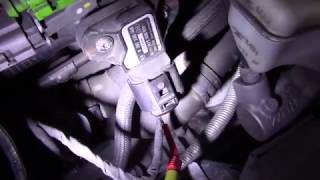
When you see a P2433 code show up, your car’s computer is basically raising a red flag about the secondary air injection system’s air flow or pressure sensor circuit on Bank 1. Let me break it down: this system’s job is to help cut down emissions when you first fire up your engine, especially on those chilly mornings. It works by pushing fresh air into the exhaust, helping burn off any leftover fuel that didn’t combust the first time around. The computer relies on a pressure sensor to keep tabs on this process. If the readings shoot way out of the normal range, that’s when you get the code. In plain speak, P2433 means your ride’s trying to tell you, “Something’s off with how I’m measuring air flow or pressure in the emissions system on one side of the engine.”
DTC P2433
 6265
6265 6 minutes of reading
Causes of P2433 code
From my time under the hood, I can tell you the most frequent reason for p2433 is a bad secondary air system pressure sensor. That little guy can get gunked up or just quit working after a while. But don’t stop there-problems with the air control solenoid are right up there too. If that valve gets stuck or isn’t opening and closing like it should, your readings will be all over the place. Another thing I’ve run into is corroded or broken wiring and connectors going to the sensor. High resistance, weird voltages, you name it. Now, it’s rare, but the PCM (engine computer) can also be the cause, though that’s usually after you’ve ruled out everything else. Here’s the list of usual suspects I run through in my shop:
- Faulty secondary air system pressure sensor
- Sticky or malfunctioning air control solenoid
- Wiring or connector issues-think corrosion, loose pins, or broken wires
- PCM (engine computer) faults-rare, but not off the table
Symptoms of P2433 trouble code
If you’re dealing with a toyota dtc p2433, chances are the check engine light is glaring at you from the dash. Some drivers tell me they also catch odd sounds coming from the secondary air injection system, especially when starting up cold-it’s often a whirring or buzzing that’s louder than normal. Most of the time, you won’t notice any change in how the car drives. But don’t let that fool you into thinking it’s not a big deal.

Diagnosis with obd2 code P2433
Here’s how I handle this code in the garage, and you can tackle a few steps at home if you’re handy with tools. First thing I always do: pop the hood and give the wiring and connectors to the secondary air injection pressure sensor on Bank 1 a good look. You’d be surprised how many times I’ve found the problem is just a loose, dirty, or corroded connector. Next up, I test the sensor itself. Got a multimeter? Check voltage and resistance according to your service manual-readings way out of spec usually mean the sensor’s toast. Don’t overlook the air control solenoid, either. Make sure it isn’t stuck or blocked. Sometimes a gentle tap can loosen it, but if it’s shot, replacement is the way to go. If the hardware seems solid, I move on to the wiring harness-check for continuity, shorts, and anything out of the ordinary. Only after all that do I even think about the PCM, and honestly, that’s pretty rare. Here’s a pro-tip: have someone help when checking live voltages, safety first. And just so you know, I’ve seen this error crop up in Subaru, Ford, and Renault vehicles too-not just Toyota.
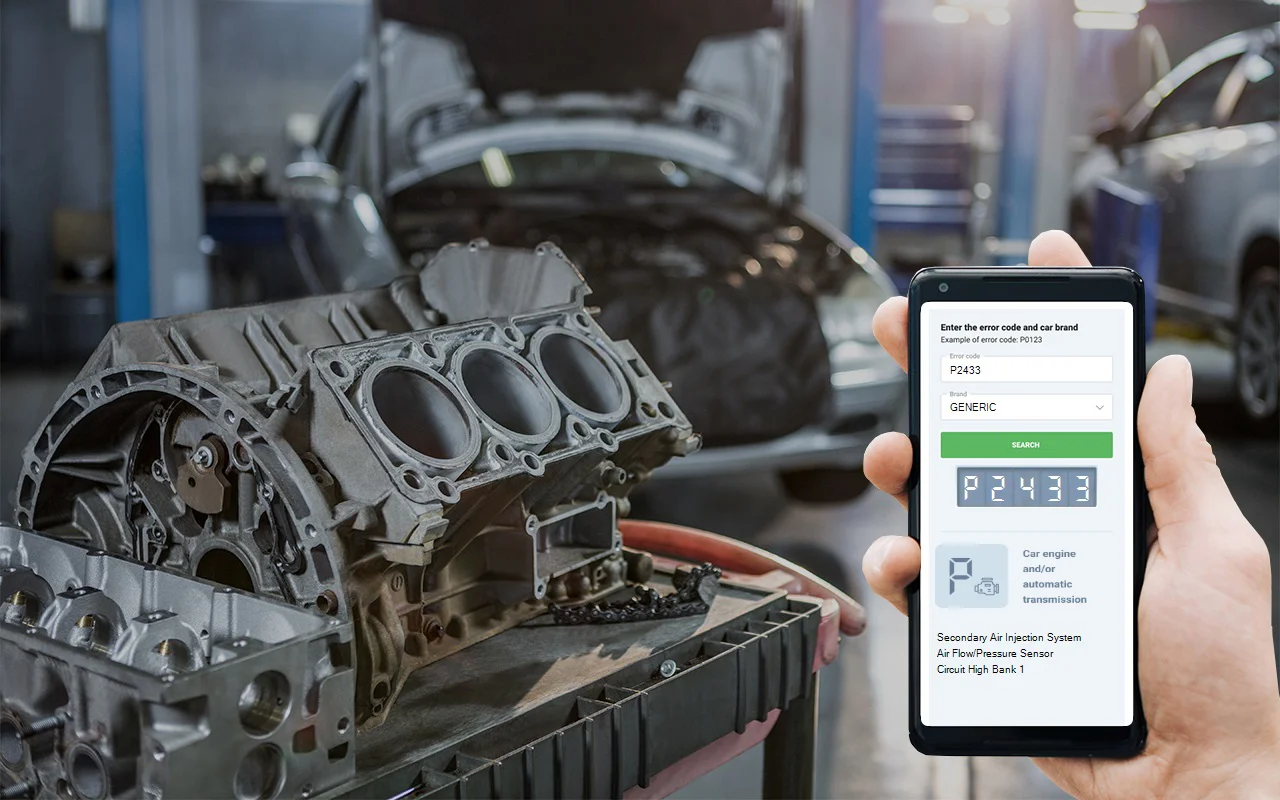
Common Mistakes with P2433
A classic mistake I see all the time is folks jumping straight to swapping out the sensor before even glancing at the wiring or connectors. If the real culprit is just a crusty plug or busted wire, you’re throwing money away. Another trap? Overlooking the air control solenoid. If that valve’s stuck, it can mimic a sensor failure. And skipping a thorough visual inspection is another big one-sometimes the answer is staring you right in the face. Always, always start with the basics before you shell out for new parts. And if you’re working on a dtc p2433 subaru, keep in mind they can have their own unique wiring and sensor quirks.

Seriousness of P2433 engine code
Let me be straight with you: this isn’t something you should let slide. Your car might seem to run just fine, but if the secondary air injection system isn’t doing its job, emissions can spike, and over time, you could end up ruining the catalytic converter. When the system fails, unburned fuel can collect in the exhaust, and that’s not just rough on the planet-it’ll hit your wallet hard if you have to replace that cat. Things can go from bad to worse in a hurry, so don’t drag your feet getting this sorted out.
Repair steps for obd code P2433
Most of the time, fixing this comes down to swapping out a bad secondary air system pressure sensor. If you spot any busted or corroded wiring or connectors, repair or replace those-don’t cut corners. If the air control solenoid is gummed up or not working, a good cleaning or replacement usually does the trick. Now and then, if all else fails and it’s the PCM, you might need to reprogram or replace the computer, but I leave that as a last option. After any repair, always clear the code and take the car for a test spin to make sure the problem’s gone for good. And remember, p2433 can show up on different makes and models, so double-check your service info for anything brand-specific.
Conclusion
Bottom line? P2433 is your car’s way of saying there’s a problem reading air flow or pressure on Bank 1 in the secondary air injection system-usually a sensor or wiring issue. Don’t ignore it. Sure, it won’t leave you stuck on the side of the road, but let it go and you could be looking at a much bigger (and pricier) headache down the line. Start with the simple stuff: wiring, connectors, sensor. Nine times out of ten, careful troubleshooting and a little elbow grease will have you back on the road with confidence.