When you see a P2443 code pop up, what your car’s trying to tell you is that the computer noticed the secondary air injection (SAI) switching valve is stuck closed on bank 2. In all my years wrenching, I’ve seen this system trip up more folks than you’d think. The SAI system’s job is to shoot a blast of fresh air into the exhaust right after you start up, especially when the engine’s cold. This helps burn off any unburned fuel so your emissions stay in check-vital if you want to pass inspection. The switching valve is the gatekeeper here: it decides if that extra air actually makes it into the exhaust. If it seizes up closed, nothing gets through, emissions go up, and your check engine light flips on with that P2443 code. Bottom line: the system can’t do its job, and your car’s letting you know it.
DTC P2443
 6641
6641 6 minutes of reading
Causes and obd code P2443
Let me walk you through what I’ve run into countless times in the shop. The top culprits behind a P2443 code are usually:
- A failed SAI switching valve-that’s the mechanism that’s supposed to open and shut to let the air pass by.
- Vacuum hose issues-if the line that controls the valve is blocked, split, or just hanging loose, that valve won’t move an inch.
- A weak or dead secondary air pump-when the pump quits, the valve doesn’t get the air it needs to operate correctly.
- Electrical gremlins-things like broken wires, loose plugs, or corrosion in the SAI wiring can throw the whole system off.
- And every so often, a glitch in the car’s computer (PCM) or its programming can be behind it all.
Most times, you'll find the valve itself or the vacuum hoses are at fault. That said, I never skip checking the wiring and making sure the pump is doing its thing. Overlooking the basics is a rookie mistake I see all too often.
Symptoms of P2443
The first thing you’ll probably notice is that check engine light glaring at you from the dash. Depending on your ride, you might catch a bit of rough running when you fire it up cold, but usually, it’s just the warning light. Honestly, you might not feel any difference in how the car drives day-to-day. Still, when that light’s on, you know something’s up under the hood.

Diagnosis steps for P2443 engine code
Here’s my go-to routine when chasing down a P2443:
- Start by hooking up a scan tool to confirm the code and look for any buddies-sometimes other codes will point you straight to a wiring or pump problem.
- Next, get your eyes on those vacuum hoses running to the switching valve on bank 2. Look for cracks, splits, or hoses that have slipped off. Don’t just glance-trace both ends of each hose. You’d be surprised how often it’s a simple hose knocked loose during routine maintenance.
- Now, check the wiring and connectors at the valve and air pump. Corrosion, broken wires, or a connector that’s not fully seated can trip this code. Sometimes just giving the connector a wiggle will make an intermittent issue show itself.
- If everything looks good so far, it’s time to test the valve. Depending on the car, you might use a handheld vacuum pump to see if the valve actuates, or break out the multimeter to check for power and ground at the connector right after a cold start (that’s when the system’s supposed to kick in).
- Listen for the air pump at startup. If you don’t hear it whirring for a few seconds, that’s a big clue the pump’s on its way out-or already dead.
- When you’re stumped, check for technical service bulletins (TSBs) for your make and model. Some manufacturers have known problems and updated fixes for this exact issue.
One tip: it helps to have a buddy fire up the car while you’re listening for the pump. And always double-check you’re working on bank 2-that’s the side with cylinder number 2, not always the passenger side like people think!
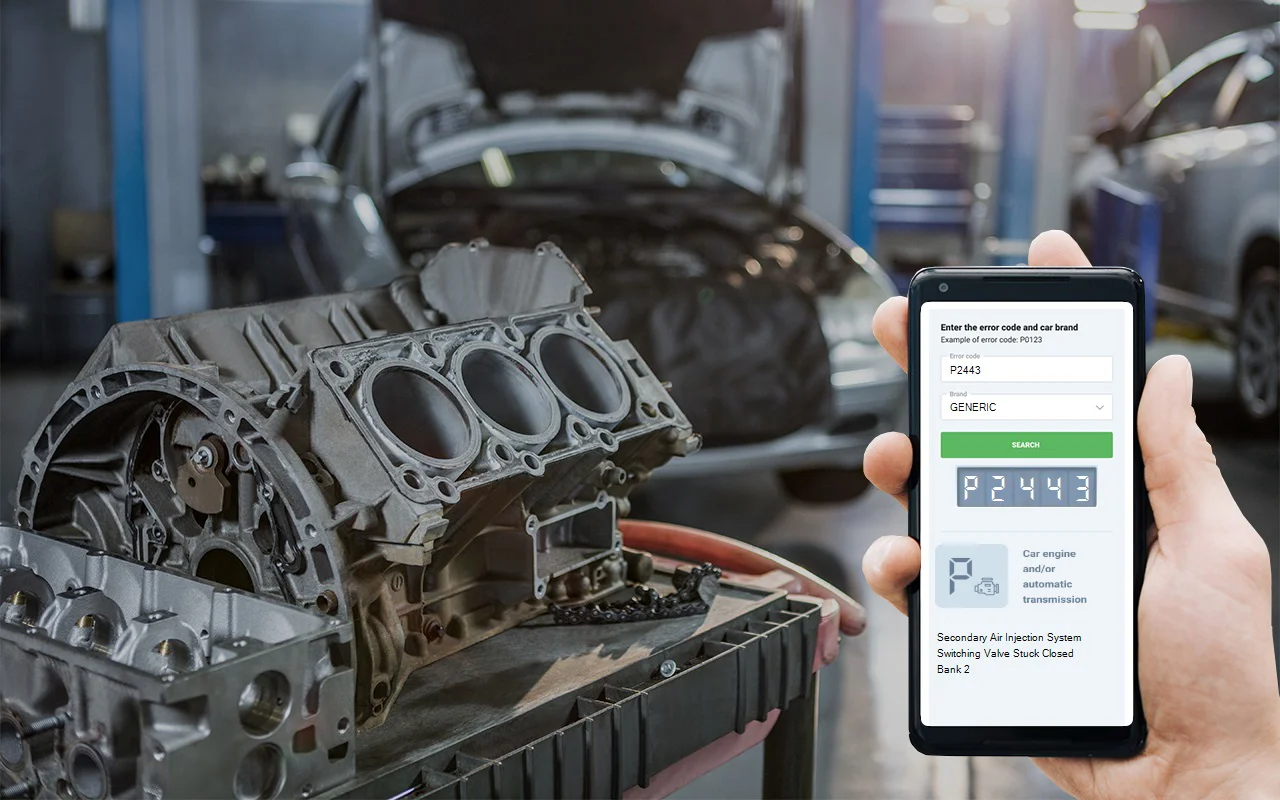
Common Mistakes when fixing obd2 code P2443
If I had a nickel for every time someone swapped out the switching valve first and asked questions later, I’d have a lot more tools. A classic mistake is throwing parts at the problem without inspecting the vacuum hoses or checking the wiring. That’s a fast way to drain your wallet if all you needed was to plug in a loose hose or clean up a corroded connector. Another pitfall is skipping the check on the air pump-if it’s not running, the valve’s not your issue. Always start with the basics before reaching for the expensive parts. Trust me, your bank account will thank you.

Seriousness of a P2443 code
P2443 isn’t something you want to shrug off. While your car probably won’t leave you stranded, a stuck switching valve means your emissions are out of whack, and you’re almost guaranteed to fail your next inspection. Letting it go can cook your air pump, wreck hoses, or even damage the catalytic converter if raw fuel keeps slipping by. In places with tough emissions rules, this can be a real headache. My advice? Don’t let this one slide-the longer you wait, the bigger the repair bill can get.
Repair options for dtc P2443
When I tackle a P2443, here’s the order I go in, based on what’s actually worked in the bay:
- Swap out the SAI switching valve if tests prove it’s stuck or not responding.
- Repair or replace any hoses that are cracked, clogged, or hanging off where they shouldn’t be.
- Clean up or fix any wiring problems or corroded plugs in the SAI circuit.
- If the air pump’s silent or weak, repair or replace it as needed.
- If all else fails, and you’ve checked for TSBs, reflash or update the PCM if there’s a known software bug.
I always tackle the simple stuff-hoses and wiring-before moving on to the pricier parts. Don’t forget to clear the code and run the system after repairs. You want to be sure the fix sticks and that light stays off.
Conclusion
Bottom line, a P2443 code means your secondary air injection switching valve on bank 2 is stuck closed, and your emissions system isn’t doing its job. Don’t ignore it-letting it go risks more damage and could leave you failing inspection. Start with a careful check of hoses and wiring, then move on to the valve and pump if needed. Fix what’s actually broken, double-check your repair, and make sure that code’s gone for good. Take care of it early, and you’ll save yourself a world of trouble down the road.