
Main Causes for P2446
From what I’ve seen in the shop and based on official repair info, the most common reasons for this issue are:
- A blown fuse for the air pump
- Cracked or disconnected vacuum hoses
- A faulty or seized secondary air injection pump assembly
- A bad pressure sensor in the air injection system
- Wiring harness issues-like broken, shorted, or corroded wires or connectors for the pump or sensor
- Poor electrical connections at the pump or sensor
Most often the issue is with the air pump itself or its power supply, but I’ve also seen plenty of cases where a simple wiring problem or a bad vacuum hose was the culprit. It’s best to check the basics before jumping to expensive parts.
Recognizing Symptoms of a P2446 Trouble Code
When this code is active, you’ll usually notice the check engine light is on. In most cases, you won’t feel any difference in how the car drives, especially once the engine is warmed up. But sometimes, especially on cold starts, you might notice a rougher idle or even a bit of hesitation. From experience, it’s rare for this code to cause major drivability issues, but it will keep your car from passing emissions tests and could lead to bigger problems if ignored.

How to Diagnose a P2446 Code
Here’s how I usually go about tracking down this fault:
- First, I check the fuse for the air pump. It’s a quick and easy place to start, and you’d be surprised how often a blown fuse is the only problem.
- Next, I visually inspect all the vacuum hoses and electrical connectors related to the air injection system. Look for cracks, loose connections, or obvious damage. It’s better to have someone help you so you can wiggle wires while watching for changes.
- Then, I check the air pump itself. I’ll listen for it running during a cold start (it should make a noticeable whirring sound for a minute or two). If it’s silent, it could be seized or not getting power.
- I also test the pressure sensor and its wiring. Sometimes, a multimeter comes in handy here to check for proper voltage and continuity.
- If everything checks out so far, I’ll move on to the vacuum switching valve and make sure it’s opening and closing as it should.
Don’t forget to check for water intrusion or corrosion in the connectors-especially if you live somewhere with a lot of rain or snow. It’s best to rule out simple stuff before replacing any big parts.
Common Mistakes When Repairing dtc P2446
I’ve seen a lot of folks jump straight to replacing the air pump without checking the fuse or wiring first. That’s a surefire way to waste money. Another common mistake is overlooking cracked vacuum hoses or corroded connectors. Sometimes, people skip testing the pressure sensor, which can also trigger this code. Always check the basics before moving on to expensive repairs.

How Serious Is obd Code P2446?
Honestly, this isn’t something you want to ignore. While it might not leave you stranded, driving around with a faulty secondary air injection system can cause your catalytic converter to overheat or fail over time. That’s a serious hazard, both for your wallet and for emissions. Plus, you’ll fail inspection if your area requires it. Things can go south quickly if water gets into the air pump or wiring, leading to more expensive repairs. Don’t put this off for later.
Repair Steps for obd2 Code P2446
In cases like this, the typical fixes are:
- Replacing a blown fuse for the air pump
- Repairing or replacing damaged vacuum hoses
- Cleaning or repairing corroded electrical connectors
- Replacing the secondary air injection pump if it’s seized or not working
- Replacing a faulty pressure sensor
- Repairing or replacing damaged wiring harnesses
I personally recommend starting with the simple stuff-fuses, hoses, and connectors-before moving on to the pump or sensor. That’s saved a lot of my customers time and money over the years.

Conclusion
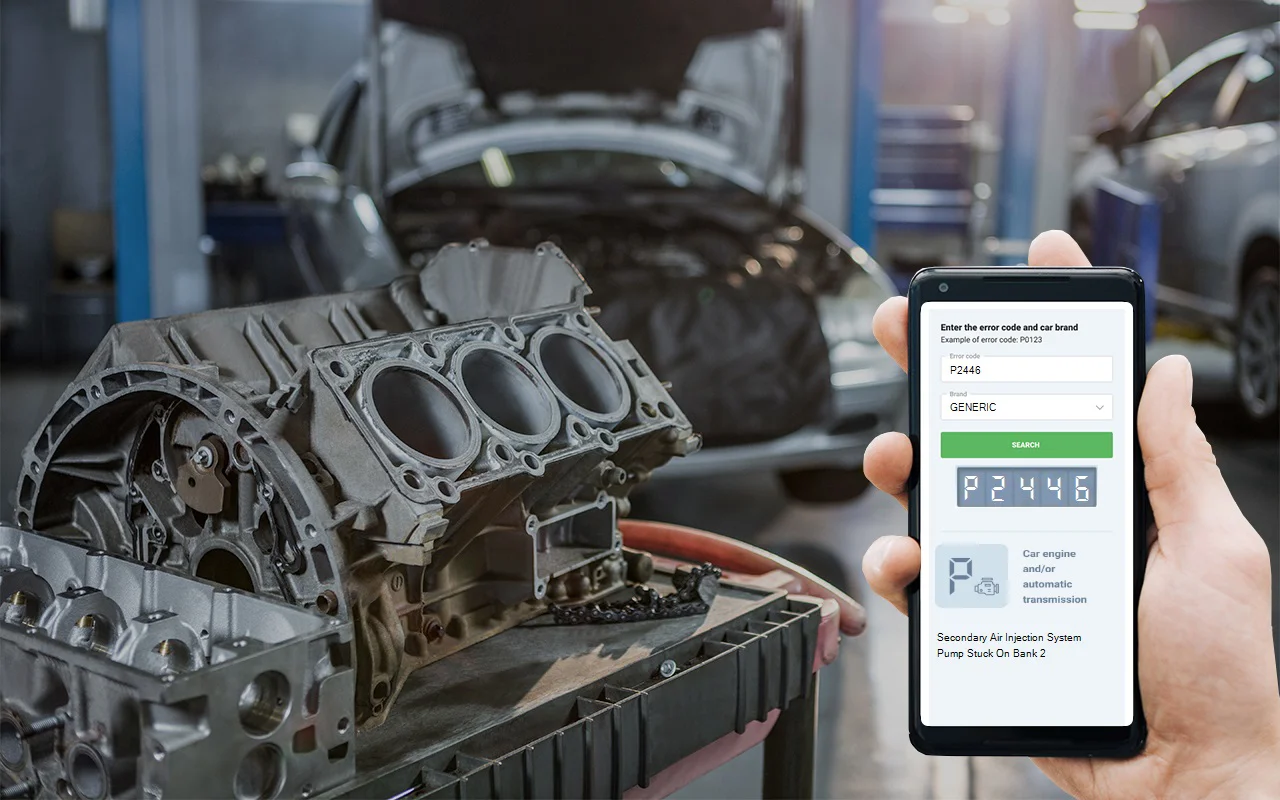
To sum it up, P2446 means your car’s secondary air injection system isn’t working right on one side, usually because of a problem with the air pump, wiring, or related parts. It’s not something to ignore, since it can lead to expensive damage and emissions failures. The best approach is to start with the basics-check fuses, hoses, and connectors-then move on to the pump or sensor if needed. Acting quickly is the most reliable way to keep your car running clean and avoid bigger headaches down the road.
 6023
6023 5 minutes of reading