
Causes of P2448 engine code
From my time wrenching on these systems and combing through service bulletins, here’s what most often causes a p2448:
- Cracked, split, or leaking hoses in the secondary air injection system. This is a classic-rubber doesn’t last forever, and even a pinhole will throw things off.
- Air hoses that have worked themselves loose or have been knocked off, especially on Fords. I see this all the time-easy fix, but easy to miss.
- An air flow sensor that’s gone bad and is sending the wrong signal to the car’s computer. Chrysler vehicles seem especially prone to this.
- Electrical gremlins, like a short or open circuit, or a bad connection where the air flow sensor plugs in. Don’t forget to check the little things-sometimes it’s just a corroded connector.
- Connector pins that are bent, dirty, or corroded. These can mess with the signal and have you chasing phantom problems.
I’ll tell you-nine times out of ten, it’s a simple air leak or a loose hose, but I’ve also run into bad sensors and wiring issues that took some real detective work.
Symptoms of obd2 code P2448
The main thing that tips you off to p2448 is that dreaded check engine light. Most of the time, your car’s going to run just fine-no stalling, no rough idle, no limp mode. Sometimes, if the system’s leaking pretty badly, you’ll catch a faint hissing sound under the hood when you start it cold. Rarely, you might notice a stronger exhaust smell, but honestly, for most folks, you’d never know there was a problem if it weren’t for the warning light staring you in the face.

Diagnosis steps for P2448 trouble code
Let me walk you through how I’d zero in on a p2448 in my own bay:
- Start with your eyes and hands-pop the hood and run your fingers along every secondary air injection hose and connection. I’m looking for splits, cracks, or hoses that aren’t fully seated, especially on Bank 1.
- Next up, check the wiring and connectors for the air flow sensor (if your setup has one). Look for broken or frayed wires, green corrosion on terminals, or pins that aren’t sitting right. Sometimes if you unplug the connector and plug it back in, you’ll feel a loose fit that tells you right away where the problem is.
- For Ford owners-double and triple check all the hose routing. Those hoses love to wiggle loose over time, and even the tiniest disconnect can trigger this code.
- If the basics check out, hook up a scan tool and watch air flow data on a cold start. The air injection system only runs for about 20 seconds after you fire it up cold, so have someone else crank the car while you keep your eyes glued to the numbers.
- If your readings are out of whack, it’s time to test the air flow sensor itself (if equipped) and run a continuity test on the wiring with a multimeter. Don’t skip this if you’re seeing weird numbers.
- I always give the air injection pump and valves a quick look and listen. If you hear any odd buzzing, rattling, or silence where there should be noise, dig deeper there.
My advice? Always knock out the simple stuff-hoses, connections, and obvious leaks-before chasing down sensors or breaking out the wiring diagrams.
Common Mistakes when addressing P2448
I can’t tell you how many times someone’s replaced the whole air injection pump or a pricey sensor, only to discover it was just a loose hose or a cracked fitting. Don’t fall into that trap-check for leaks and loose connections first. Another mistake I see all the time: ignoring the wiring. Corroded or loose plugs can absolutely set this code, but they get overlooked in the rush to swap parts. Always, always start with the basics before shelling out for expensive components.

Seriousness of a P2448 code
Don’t brush this one off. Sure, your car might seem to run just fine for a while, but driving around with a faulty air injection system can cook your catalytic converter over time-and trust me, that’s a wallet-buster. You’ll also put out higher emissions, which could get you busted at inspection. To make matters worse, if there’s a leak letting in hot exhaust, it can toast nearby wiring or rubber hoses. I’ve seen small problems like this snowball fast, so don’t wait around thinking it’ll go away.
Repair methods for obd code P2448
Here’s how I usually fix a p2448:
- Patch or swap out any hoses in the secondary air system that are cracked, split, or not seated right.
- If the air flow sensor is throwing bad numbers (especially common on Chrysler vehicles), clean it first-sometimes a little gunk is all it takes. If that doesn’t do it, replace it.
- Track down and repair any wiring issues-fix broken wires, scrub up dirty connectors, and make sure everything’s plugged in snug.
- The air injection pump or valves only get replaced if you’ve confirmed they’re junk after running through all the other checks. No sense in throwing parts at the problem.
Honestly, most times a loose hose or a corroded connector is all it takes to set this code, and tightening things up clears it right out.
- [HELP] P2448 fault. Air inlet circuit. Air flow greater than maximum. [Citroen Jumper 2.0 Blue HDI]

- Peugeout 3008 blue HDI perda de potência código de erro p2448
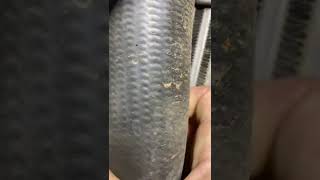
- Peugeot partner scandry air injection system high air flow bank 1 p2448

- How to Diagnose and Fix P2448 Engine Code - OBD II Trouble Code Explain
Conclusion
Bottom line: p2448 means your secondary air injection system is shoving too much air into the exhaust, usually thanks to a leak, sensor issue, or wiring fault. It’s not the kind of thing you want to let slide-what starts as a simple air leak can end up wrecking your catalytic converter or costing you a smog pass. Start by checking every hose and connector, then move on to sensors and wiring if needed. The sooner you track it down, the better your odds of an easy, inexpensive repair-and a cleaner-running car.

 5613
5613 6 minutes of reading